


A group of civil society organisations and individuals today called for Parliament to serve its full term until its expiration on Dec 18 next year.
In a statement, the 69 signatories urged that the time be used to realise as many reforms as possible to improve the country’s democracy and governance.
Below is their full statement:
The 15th Parliament should stay full term to realise reforms
In view of the latest developments, we, the undersigned groups and individuals, would like to make the following calls:
1. That the 15th Parliament should serve its full term until Dec 18, 2027, barring loss of confidence, to realise as many reforms as possible for Malaysia to deepen democracy and improve good governance.
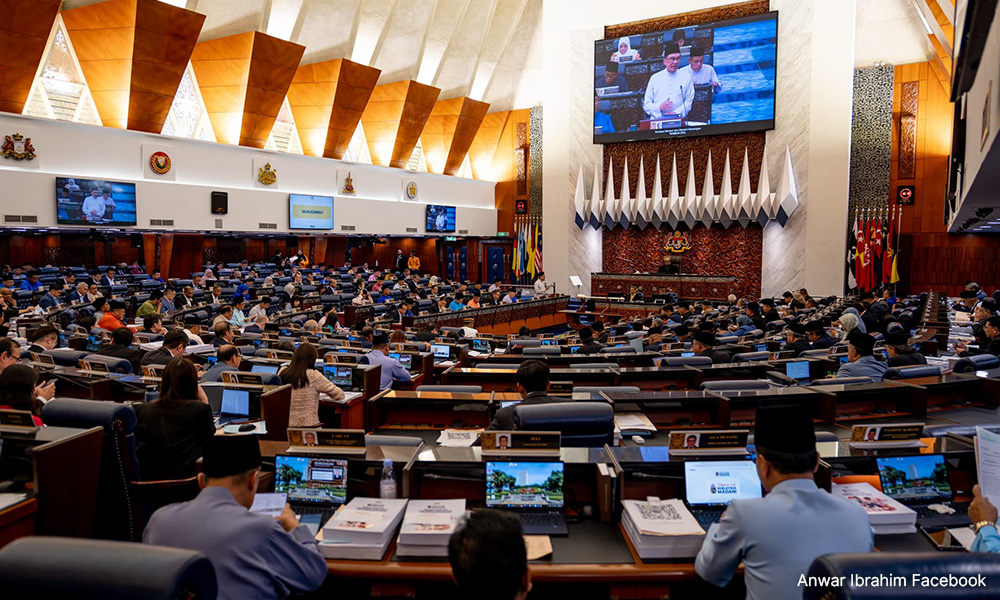
2. That Prime Minister Anwar Ibrahim should convene a cross-party leader summit of all government and opposition parties represented in Parliament to lay down a common agenda for the remaining term of the 15th Parliament, with the credit of realising these reforms to be shared across parties and MPs, which should include:
a. Constitutional amendment to introduce the separation of attorney-general and public prosecutor roles;
b. Constitutional amendment to impose a 10-year tenure limit for prime ministers;
c. The Ombudsman Act;
d. The Freedom of Information Act;
e. A parliamentary Act to provide for mandatory and equitable constituency development fund (CDF) for all parliamentarians regardless of party affiliation, with maximum transparency and accountability;
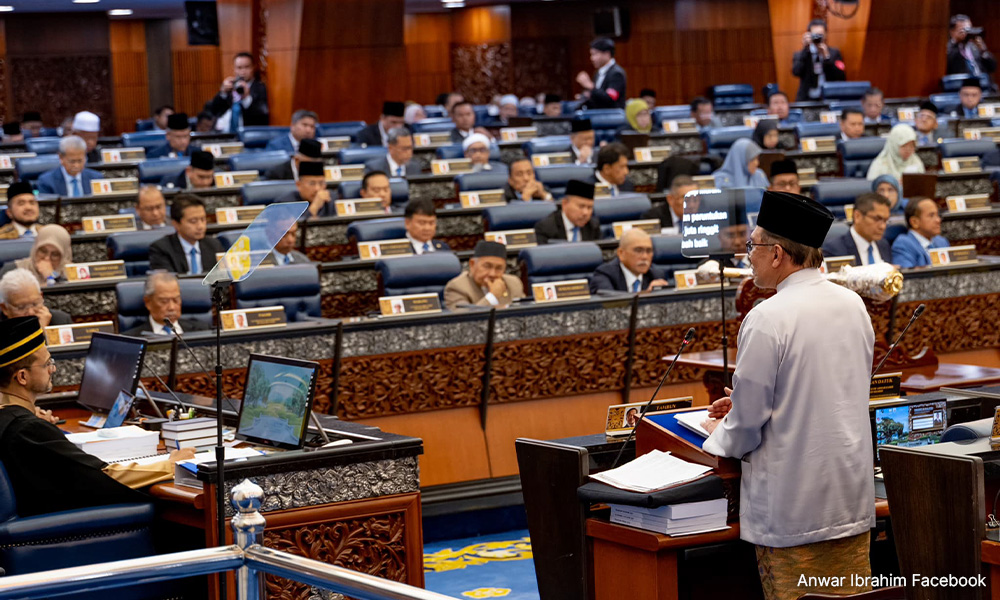
f. Updating of the Election Offences Act 1954 to enhance public confidence in the electoral process before the 16th general election;
g. Improvement and expansion of postal voting or other means of absentee voting for overseas and all out-of-state civilian voters;
h. Expansion and strengthening of parliamentary committees to ensure that:
(i) every ministry is effectively covered by a permanent/standing or special committee;
(ii) every private MP gets the chance to serve in a parliamentary committee;
(iii) each committee gets adequate administrative, financial, and research support to carry out its task;
i. A more institutionalised process of budget formulation and scrutiny; and
j. An effective avenue for private member’s Bills to be tabled, debated, and passed.
3. That all coalitions and parties – especially those aspiring to lead and join the next federal government – should support the above reforms which would benefit any future government and/or lay down a level playing field for all parties.
Parliamentary opposition leader Hamzah Zainudin can lay down the official opposition’s agenda of institutional reforms for the remaining term of the 15th Parliament.
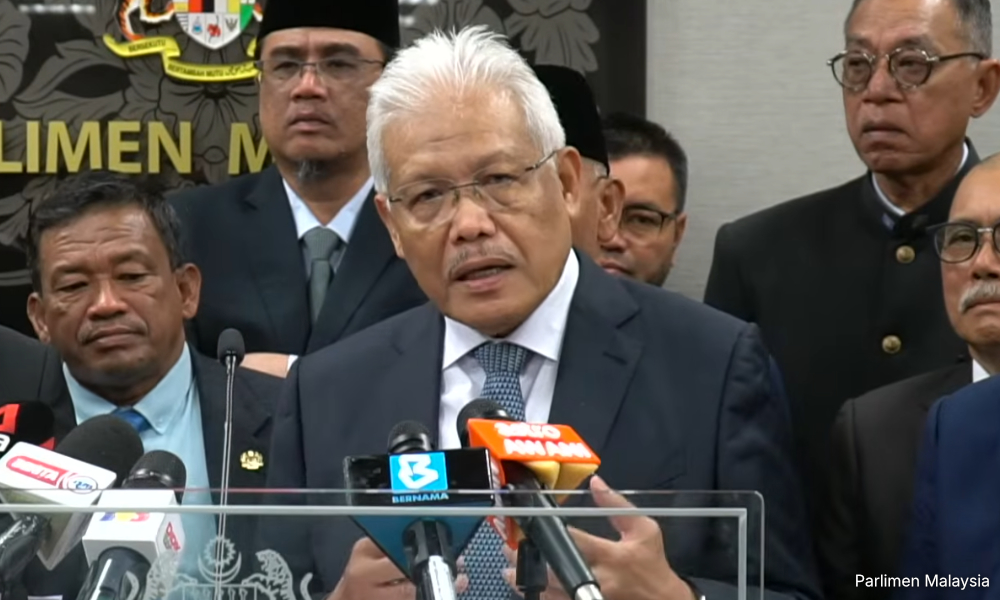
4. That PKR and DAP should resolve in their upcoming congress or conference on Aug 15 and 16 to push through necessary reforms to treat all opposition parties fairly and ensure healthy multiparty competition to avoid the restoration of the pre-2018 one-party dominance system.
5. That all the 13 states should enact laws to mandate equitable CDF for all assemblypersons regardless of party affiliation, with maximum transparency and accountability;
6. That the “first-past-the-post electoral” system, that has caused great distress for Malaysians especially the Malay-Muslims over the fear of losing power and interest and has been marred by excessive malapportionment and gerrymandering that underrepresent urban and young voters, should be tweaked at the state level by introducing “party list proportional representation” (List PR)-style democratically mandated statewide assemblypersons - unlike the appointed assemblypersons in Sabah, Pahang, Johor, and Malacca, or those in Terengganu - with these features in a package:
a. Electoral mandate and proportionality – the statewide seats will be allocated to coalitions/parties based on their vote shares in state elections, and coalitions/parties must announce their candidates for these statewide seats in a fixed order of priority, such that voters can consider these candidates when voting for their constituency’s representative.
b. Gender and other demographic quotas – demographic quotas should be introduced on coalitions/parties’ candidate lists to ensure or improve representation of women, youth, small indigenous groups, and other ethnic groups deemed necessary;
c. Select committees – statewide assemblypersons serve not geographical constituencies but issue-based sectors or stakeholders whose concerns should be channelled into lawmaking, policymaking, budgeting, and government scrutiny via more select committees in state legislative assemblies.
7. That the federal and state governments should responsibly pre-announce their preferred dates of early dissolution, if they do not intend to serve full term, to make life easy for both voters and all stakeholders in elections - the Election Commission, police, civil servants, schools, political parties, and even private sector operators in transportation, hospitality, food and beverage, printing, etc.
Initiated by: Projek Sama, Abim, Bersih, Center to Combat Corruption and Cronyism (C4 Center), Gabungan Bertindak Malaysia (GBM), Institute for Democracy and Economic Affairs (Ideas), Kuala Lumpur & Selangor Chinese Assembly Hall (KLSCAH), and Pertubuhan Ikram Malaysia (Ikram).
Endorsed by 44 civil society organisations and 25 individuals:
Civil society organisations
1. Projek Sama
2. Agora Society Malaysia
3. All Women’s Action Society (Awam)
4. Angkatan Belia Islam Malaysia (Abim)
5. Borneo’s Plight in Malaysia Foundation (BoPiMaFo)
6. Center to Combat Corruption and Cronyism (C4 Center)
7. Coalition for Business Integrity Berhad
8. Demokrat Malaya
9. Engage
10. Family Frontiers
11. G25 Malaysia
12. Gabungan Bertindak Malaysia (GBM)
13. Initiative to Promote Tolerance & Prevent Violence (Initiate.my)
14. Institute for Democracy and Economic Affairs (Ideas)
15. Justice for Sisters (JFS)
16. Kuala Lumpur & Selangor Chinese Assembly Hall (KLSCAH)
17. Lawyer Kamek
18. Liga Mahasiswa Universiti Sains Malaysia
19. LLG Cultural Development Centre
20. Movement for Change Sarawak
21. North South Initiative
22. People Like Us Hang Out! (Pluho)
23. Persatuan Bertindak Pilihan Raya Bebas dan Saksama (Tindak)
24. Persatuan India Malaysia Bersepadu
25. Persatuan Martabat Untuk Semua Petaling Jaya
26. Persatuan Pemangkin Daya Masyarakat
27. Persatuan Promosi Hak Asasi Manusia (Proham)
28. Persatuan Sahabat Wanita Selangor (PSWS)
29. Pertubuhan IKRAM Malaysia (Ikram)
30. Pertubuhan Solidaritas
31. Prison Fellowship Malaysia
32. Pusat Komas
33. Ruang Lawan Malaysia
34. Sabmoz Inc
35. Save Malaysia Stop Lynas
36. Saya Anak Bangsa Malaysia (SABM)
37. SIS Forum (Malaysia)
38. Society for Equality, Respect, and Trust for All Sabah
39. Tenaganita
40. The Coalition for Clean and Fair Elections (Bersih)
41. United Chinese School Committees’ Association of Malaysia (Dong Zong)
42. University of Malaya Association of New Youth (Umany)
43. Women’s Aid Organisation (WAO)
44. Workers Unmuted
Individuals
1. Abdullah Sani Nawawi (Entrepreneur)
2. Adrian Pereira (Executive Director, North South Initiative)
3. Andrew Khoo (Advocate & Solicitor)
4. Charles Santiago (Former MP for Klang)
5. Dashran Yohan (Journalist)
6. Gandipan Nantha Gopalan (Activist)
7. Ho Yock Lin (Former President, All Women’s Action Society [Awam])
8. Ivy N Josiah (Former President & Executive Director, Women’s Aid Organisation [WAO])
9. Jerald Joseph (Former Suhakam Commissioner)
10. Karen Lai Yu Lee (Activist)
11. Maria Chin Abdullah (Advisor, Persatuan Martabat Untuk Semua Petaling Jaya)
12. Mohan Samy (Director, Daya Nurani Sdn Bhd)
13. Mohansundarram Arumuthu (Chairperson, Persatuan India Malaysia Bersepadu)
14. Ajwad Khairul Azli (Student, Universiti Sains Malaysia)
15. Ngeow Chow Ying (Advocate & Solicitor)
16. Robert Nicholas Hii (Lead, Governance and Leadership Cluster, CSO Platform for Reform)
17. Saaidah Athman (Retiree, Public Sector)
18. Sevan Doraisamy (Activist)
19. Sidneswaran Paramaswaran
20. Siti Z Kasim (Advocate & Solicitor)
21. Tan Bun Teet (Chairperson, Save Malaysia Stop Lynas)
22. Thomas Fann (Former Chairperson, The Coalition for Clean and Fair Elections [Bersih])
23. Tricia Yeoh (Political Science and Public Policy Analyst)
24. Wong Chin Huat (Political Scientist)
25. Zaharom Nain (Aliran/Gerak)
- Mkini

No comments:
Post a Comment
Note: Only a member of this blog may post a comment.