


Just like everyone else, I like to have fun with artificial intelligence. The things that I type in Gemini or ChatGPT are pretty ridiculous, such as “Is Zan Azlee a talented filmmaker?” or “Is Zan Azlee famous?” or “What is Zan Azlee’s net worth?”
I love reading the answers to these questions because it amuses me and I am a bit of a narcissist.
I also sometimes use it for research or craft out daily operational emails. That’s okay, right? These are harmless activities, and they ease my daily work.
What I don’t and won’t do with AI is ask it to create deepfake content which I then use to gain profit without thinking about the consequences to others.
Recently, I read a special report by Malaysiakini titled “Deepfake child sexual abuse: Like animals trapped in a circus”.

It is about how several secondary school students found images of themselves that have been manipulated to be very sexually explicit and posted online.
This article is part of a larger feature on online and social media safety for children and minors.
The report is comprehensive, detailed, eye-opening, and quite shocking, especially when I have three young kids of my own. You can read the different multimedia stories on the Malaysiakini portal.
When powerful tools are too easily accessible
I always believe that technology is just a tool and the way we use it determines if it is good or bad. Basically, we humans as users are either good or bad.
However, with that being said, if a tool makes it so much easier to choose to do the wrong thing, then what happens?
All these AI deepfake tools make child sexual abuse material (CSAM) so accessible all over the internet and social media. And many of these social platforms promise all kinds of child safety guidelines and protocols, but it feels ineffective.
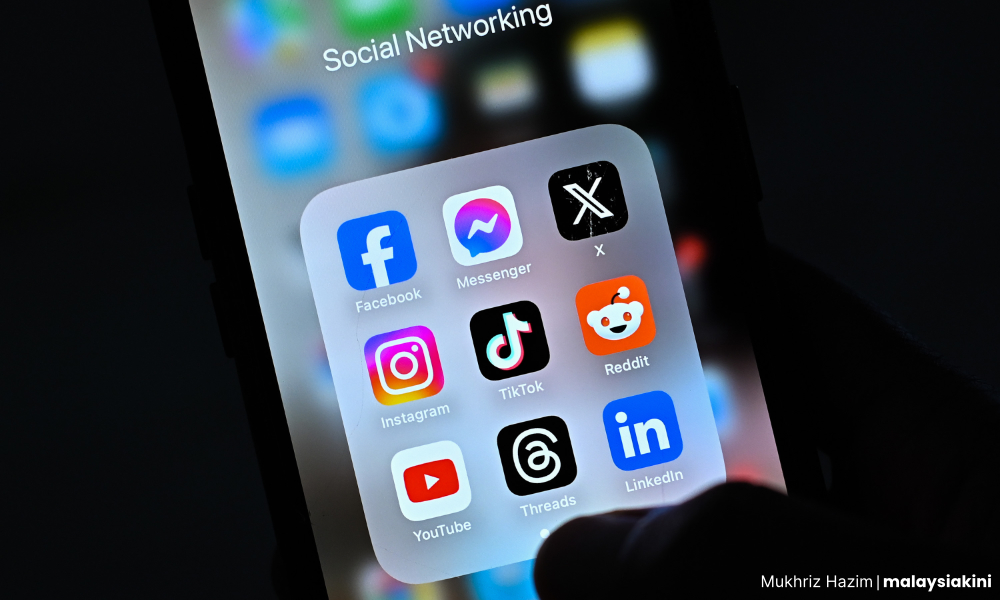
It seems that these guidelines either fail to do what they’re supposed to or are ineffective, and the issue is compounded by algorithms that prioritise eyeballs more than ethics.
Just see how fast social media platforms react towards things like copyright infringement or music monetising issues as compared to fake content abuse (read the report!).
My wife and I have always been very frank and open with our kids when it comes to their internet use. We tell them to be very careful about the kind of photos or information they post online or share with friends.
But with how the situation is now, even the most harmless post or share can be manipulated so disgustingly.
What can we do?
If you read the report, the consequences on the kids are severe. I wouldn’t want that to happen to my children, or anyone’s children.
What makes it worse is that these kids are really innocent and did nothing wrong at all. It wasn’t like they were posting suggestive posts or anything of that sort.
So what does that mean? That children should never be allowed to be on the internet or use social media? There is already a social media ban on those under 16, but is that enough?
And what about education? How do we educate our children when it just seems too dangerous to do anything?
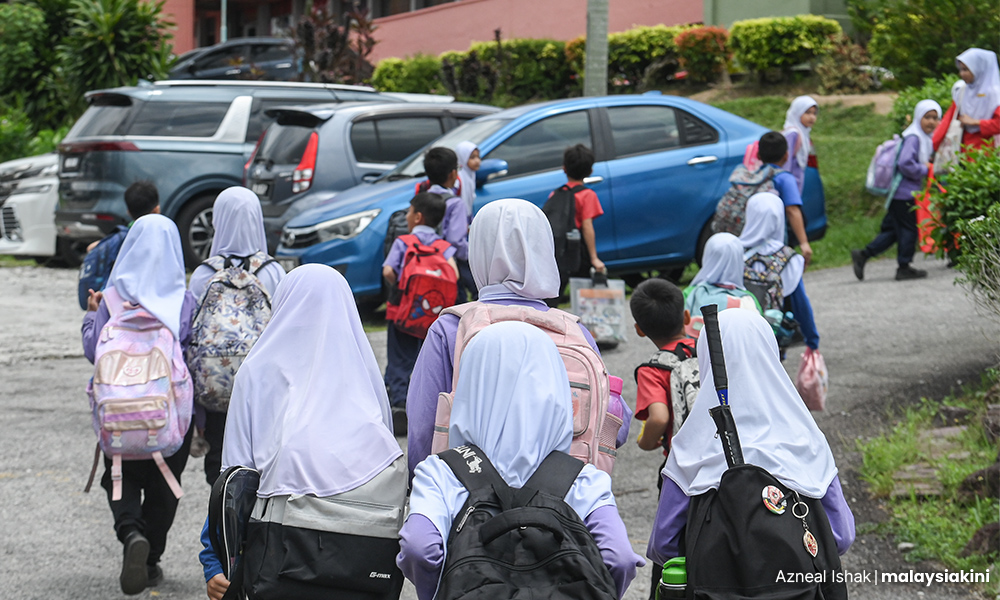
Credit does go to the authorities for wanting to tackle the problem. Aside from the ban on social media use for minors, the Sexual Offences Against Children Act 2017 has been put in place to protect our young.
But are we equipped to address the AI issues that are developing and progressing even faster than we can keep up?
We need to make sure that all these calls to fight against abuse aren’t just political and activist posturing and are more about actual, effective policing.
We also need to up the education for (and the way we educate) our children. Our digital literacy education can’t be stuck in the 2010s where it’s all about “stranger danger” anymore.
I know that it is a complicated issue, but I hope that we continue to increase the discourse. We need to demand more accountability from tech platforms, our lawmakers, parents, and our society as a whole.
We cannot afford to allow internet culture to desensitise us to online harm because it involves actual human lives.
Whole-of-society approach
Back to what I mentioned earlier about how I believe that technology is just a tool. For us to address this issue of our children’s online safety, we have to realise that we cannot rely on technology for resolution.
We need to do more because whatever we are doing isn’t enough.

We need to make sure that there is the right complementary combination of strategic education, strong policies, aggressive enforcement, and human decency to overcome the problem.
It’s not all just amusing narcissistic generation of posters and avatars of ourselves. The problem is real, folks, and it is scary. So we have to step up and do more. - Mkini
ZAN AZLEE is a writer, documentary filmmaker, journalist and academic. Visit fatbidin.com to view his work.
The views expressed here are those of the author/contributor and do not necessarily represent the views of MMKtT.

No comments:
Post a Comment
Note: Only a member of this blog may post a comment.