


Social media in Malaysia these past few weeks has been difficult to ignore. Videos circulate of Rohingya “criminality: such as people begging, operating unregulated businesses, living in unsanitary conditions, or building homes and schools without permits.
Each post is captioned with accusatory language about alleged Rohingya wrongdoings.
These posts seek to inflame resentment that the Rohingya are troublesome, a burden on society, dirty, and are criminals who are immune to the law.
They further stoke fear that the Rohingya are a demographic threat as they “breed” too many children and will also demand citizenship and even bumiputera privileges.
The anti-Rohingya rhetoric is at its worst today, with spillover from screen to real life, as even children are threatened and open calls are made to drive them out, including through violent means.

Serious harm often begins with words. A group is first spoken of as less than human, as many Malaysians do when they call the Rohingya dirty, disease-ridden, likened to animals, and cast as a threat to be isolated on a distant island, who needed to be sterilised, or kept away before they can intermarry and “taint” society.
Such language is not merely offensive; it is one of the ways cruelties become possible.
The hostility against the Rohingya bears signs of what is described as moral disengagement: the dehumanisation and justification that let ordinarily decent people take part in harm without ever feeling they have done anything wrong.
Bit by bit, it lowers the threshold of what a society will accept, until measures that ought to trouble the conscience begin to feel reasonable, even responsible.
Real grievances, wrong target
Many Malaysians are frustrated by problems that feel real and immediate: economic strain, hospitals stretched thin, the sense of being outnumbered in their own neighbourhoods, competition for jobs, weak border controls, and a government that has done little to manage any of it.
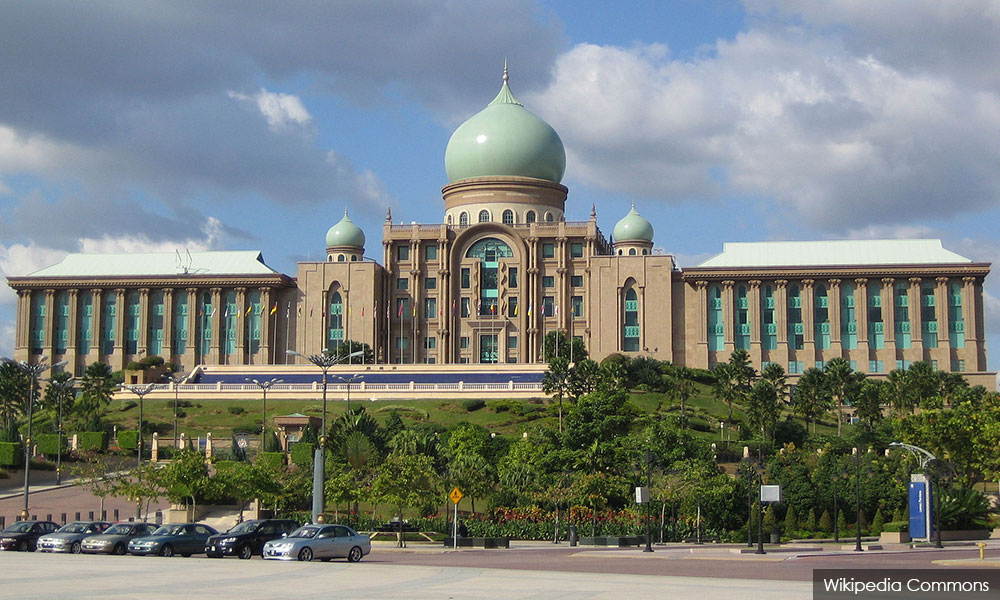
Some of this friction is understandable. Malaysia has taken in refugees for over half a century, yet has never built a coherent legal framework to protect them.
When refugees are left to fend for themselves while they await resettlement or a return that may never come, tensions inevitably arise between them and host communities, all the more so when they arrive from extreme poverty with little means to adapt in a foreign country.
The friction is the product of a policy vacuum, not the mere presence of refugees. The real demand should be on the government to actively pursue lasting, humane solutions.
Survival, not criminality
Crime exists in every community, among Malaysians, migrants and refugees alike, and offenders should answer to the law equally. It is just as important not to mistake acts of survival for criminality.
Barred from working legally, the Rohingya run unregulated businesses or perform informal jobs because it feeds their families. They build and extend cramped homes because no one will house them.
They grow food on empty land because self-sufficiency is a necessity. They open their own schools because their children are shut out of our national schools. They cluster into visible communities because there is safety in numbers when the law offers no protection.
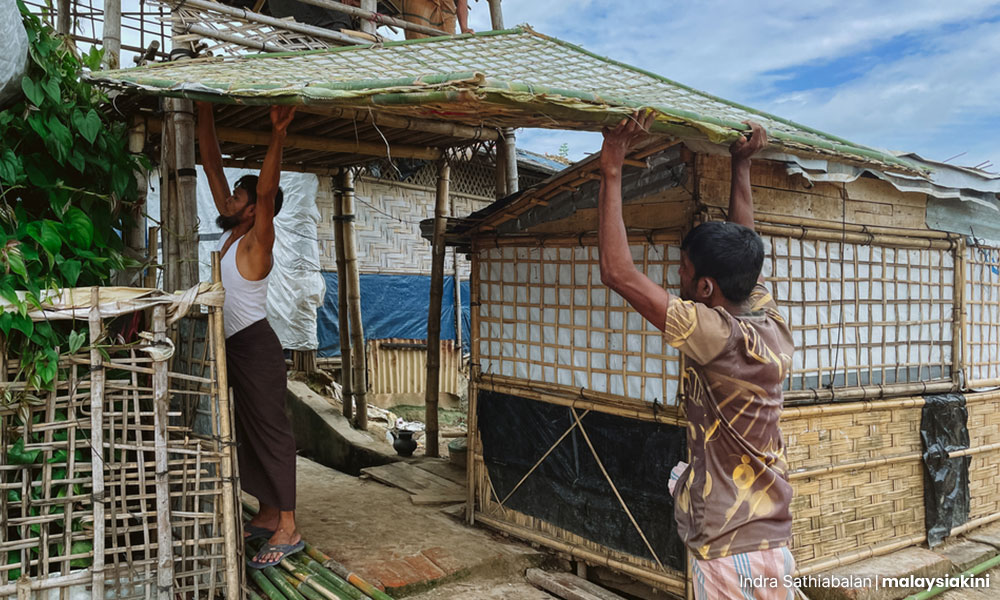
These are not the marks of a criminal underclass; they are what survival looks like for people given no lawful way to live, and then blamed for living.
The Rohingya begin life in desperate conditions: they are denied basic rights through decades of statelessness in Myanmar, deprived of education, living in poverty, and carrying the trauma of genocide to this day.
There is a reality that cannot be overridden: to send stateless Rohingya back to the atrocities they fled would be refoulement, which international law forbids, a prohibition that binds Malaysia.
That is precisely why Malaysia must do more, not less.
Questions of refugee status cannot be resolved immediately. Malaysia needs only the willingness to manage the situation actively, rather than leaving refugees, host communities and civil society organisations to navigate a vacuum the government has long refused to fill.
This includes opening a regulated pathway for refugees to work legally, and for children to be educated in a structured way, with community schools run by civil society organisations given proper recognition and resources.
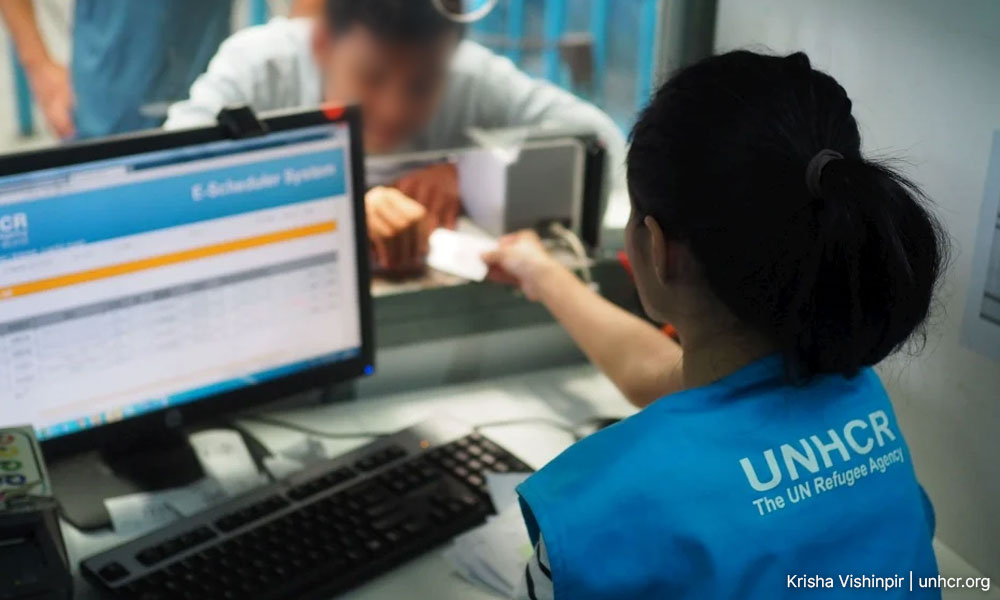
The government cannot avoid investing in support structures that let refugees become self-reliant. Building peaceful coexistence is a shared responsibility of the government, host communities and refugees alike.
Rohingya leaders can also contribute by encouraging respect for local customs, resolving disputes amicably, and fostering good relations.
None of this is a test they must pass to deserve protection or dignity; it is simply how communities learn to live side by side.
Words before the violence
Understanding the friction, though, is not the same as excusing the hate speech now used to inflame it.
Malaysia is nowhere near the violence this rhetoric has preceded elsewhere, but these are recognised early warning signs of violence, the sort the world has learned at great cost not to ignore.
They must be confronted now, while doing so still costs us nothing. Extreme versions of this playbook have surfaced elsewhere, with devastating results.
In Gaza, an Israeli minister branded Palestinians as “human animals”; part of a dehumanisation that treats Palestinian lives as expendable.
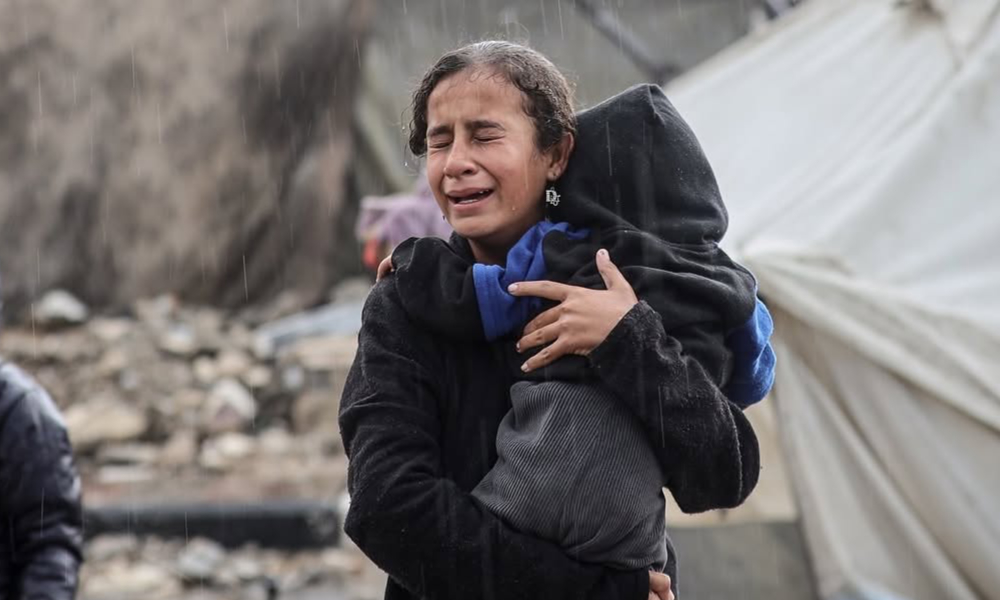
Before Rwanda’s genocide, Hutu propaganda cast the Tutsi as cockroaches, with songs calling for their extermination.
In Myanmar, the Rohingya were branded with malicious slurs, likened to dogs, and cast as a threat to the purity of the Burmese race.
These are all now familiar hate rhetoric used to justify violence and destroy a population. The warning is simple: the dehumanising words come first, before escalation into violence.
Govt must act firmly
The response must be firm, from the prime minister to the enforcement authorities: hate speech, disinformation, incitement, and harassment will not be tolerated.
The signals so far have been mixed: vague appeals for compassion from above, while media outlets splash “Rohingya” across the headlines over alleged crimes, fuelling the very hostility those appeals claim to cool.
Malaysia must use existing laws to investigate incitement to violence, threats, doxxing and coordinated harassment, and to make platforms remove unlawful content, before intimidation and vigilantism cause irreversible harm.
The Rohingya are entitled to the protection of the state, not its silence and inaction.
The laws governing refugee protection, too, must be set in the open. Malaysia’s “Dokumen Pendaftaran Pelarian (Refugee Registration Document)” scheme can only be a real step forward if developed transparently, with the communities involved, civil society, and UNHCR.
There must be safeguards for the data collected, protection against arbitrary detention or forced return, and clear pathways to lawful work that do not expose refugees to exploitation.
The authorities should not exclude any important stakeholder from this process, as that would discard the expertise that makes such a scheme work.
Malaysia is not obliged to solve the Rohingya crisis alone, and it is fair to ask the world to share the responsibility.
But it must not make the situation worse, and the duty now is to refuse to let the dehumanisation of the Rohingya become ordinary speech.
MELISSA SASIDARAN is a lawyer who has worked alongside survivors of genocide and sexual violence, including members of the Rohingya community.
The views expressed here are those of the author/contributor and do not necessarily represent the views of MMKtT.

No comments:
Post a Comment
Note: Only a member of this blog may post a comment.