


Israeli Prime Minister Benjamin Netanyahu spent years building influence in Washington. That influence is no longer producing the same result.
US President Donald Trump moved ahead with Iran. Netanyahu could not stop it.
For years, Netanyahu pushed the US toward confrontation with Tehran. He made Iran the centre of his strategic argument and treated pressure as the only language worth speaking.
Now an agreement is moving forward, but not on his terms and not under his control.
A leader built on escalation starts to weaken the moment escalation stops delivering clear outcomes. The wars continue. The pressure continues. The promised strategic gains do not. That is Netanyahu’s position now.
Trump is no longer speaking like a partner shielding Netanyahu from consequences. He is speaking like a president frustrated by a man who keeps pushing the region back towards the edge.
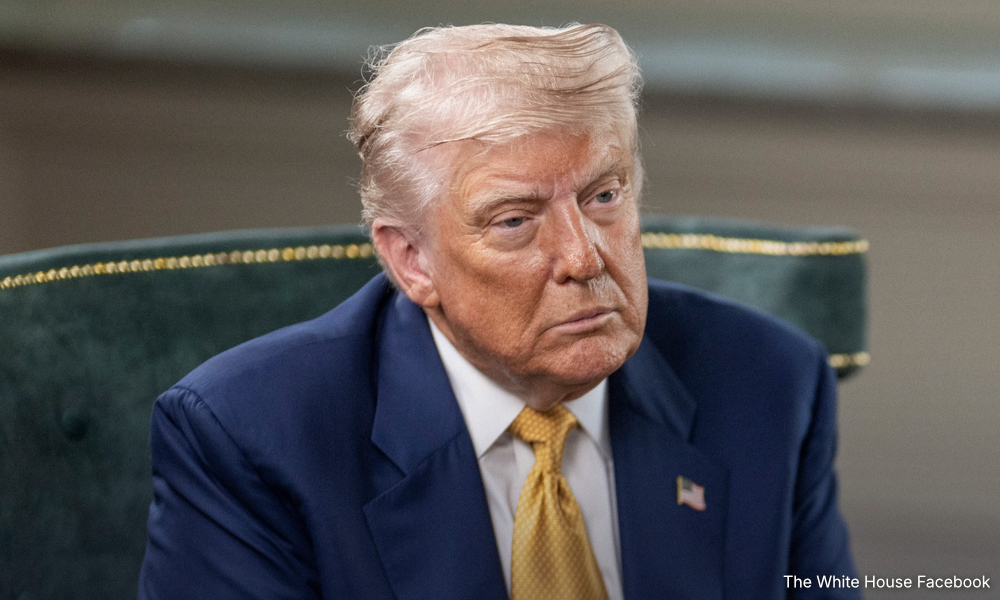
Public criticism of Israeli actions in Lebanon makes it difficult to ignore. So do the repeated signals that Washington wants to contain the war, not widen it.
Trouble in Israel
At home, Netanyahu is no longer facing silence. Rivals are moving. Former Israeli premier Naftali Bennett is positioning for a return.
Former Israeli minister Gadi Eisenkot is gaining traction. That does not mean the Israeli system is changing. It means confidence in Netanyahu is thinning.
Removing Netanyahu would not remove the structure that produced him. It would only lower the temperature around it.
His weakening matters, but only up to a point.
A change of leader can give the same system breathing room. The direction may continue. The methods may soften. The pressure may ease, but the structure remains.
The larger shift is in the US.
American anger
American interests are beginning to weigh more heavily than Israeli expectations. Economic strain, war fatigue, and political narrowing inside the US are all changing the calculus.
Support for Israel remains, but patience is no longer automatic, and blank cheques no longer look politically cost-free.
That is the part Netanyahu cannot fully control.
The greatest risk comes from disruption. Netanyahu has opposed compromise with Iran for more than two decades. The current outcome does not align with his position.
If the assumption remains that the US will always re-enter conflict on Israel’s side, the incentive to escalate remains. That assumption has to change.
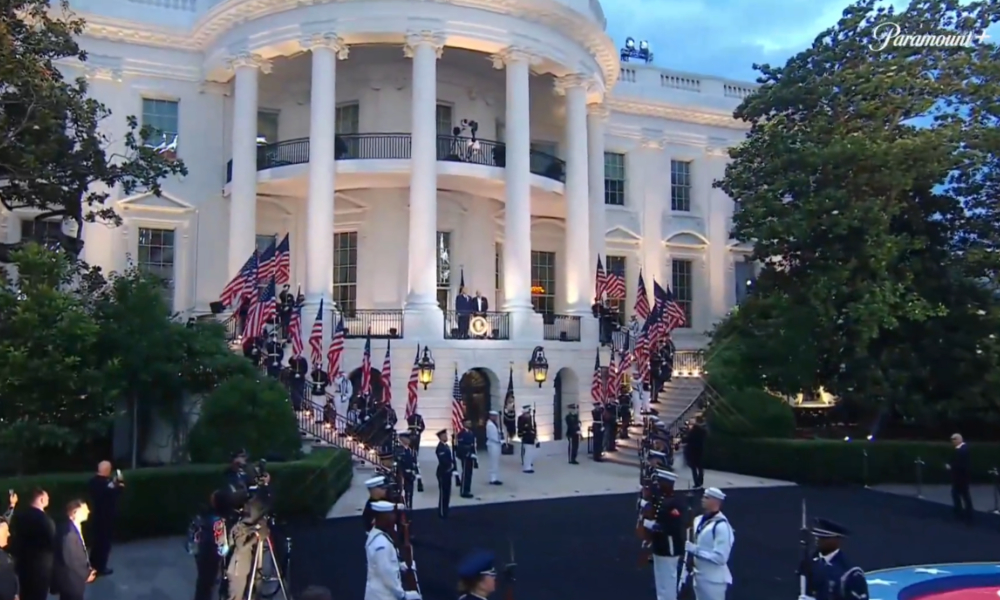
Before deeper negotiations can proceed, a regional ceasefire becomes necessary. Ongoing conflicts risk pulling the US back into direct engagement.
The US is expected to constrain Israel, but enforcement remains uneven. Iran must constrain Hezbollah.
Netanyahu has opposed compromise with Iran for too long to accept this outcome easily. If he still believes the US will always be pulled back in on Israel’s side, then the incentive to escalate remains.
That is why restraint matters now more than rhetoric.
He spent decades shaping Washington’s fear of Iran. What Netanyahu is facing now is a White House that still sees Iran as a threat, but no longer accepts that every answer must pass through him.
Volatility remains
Without a real ceasefire across the region, diplomacy remains exposed. Lebanon remains volatile. Gaza remains unresolved.
Any strike beyond a certain threshold risk will drag Washington back into confrontation.
Israeli action in southern Beirut has already shown how quickly escalation can outrun negotiation. Iran’s posture remains built around deterrence and forward pressure through regional fronts, especially in Lebanon.
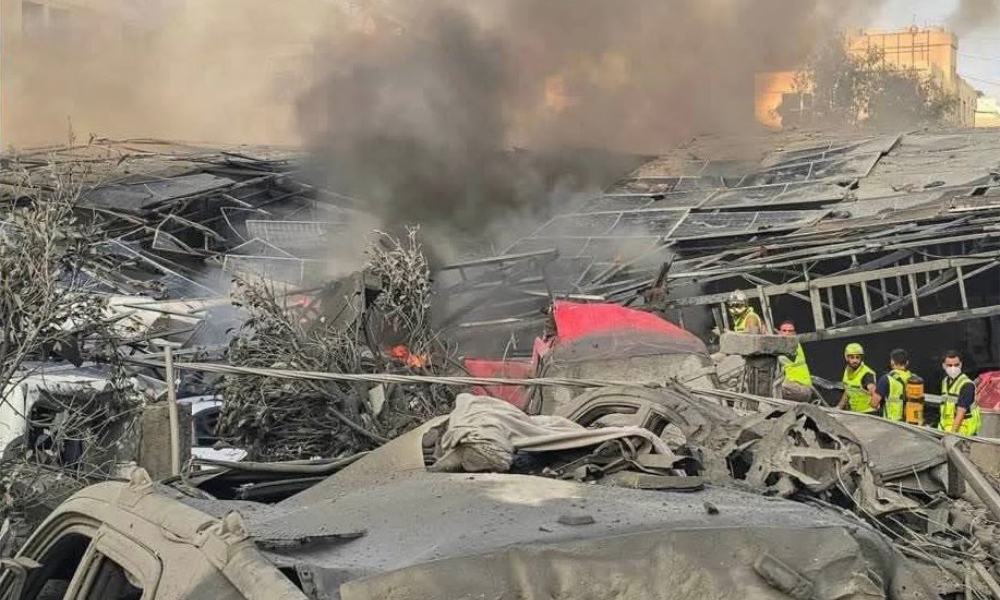
Israel continues to strike. Iran continues to signal. The US tries to contain both while preserving its own agreement.
Malaysia has welcomed moves toward de-escalation. Stability in the Middle East affects energy prices, supply chains, and economic conditions that directly impact Malaysians.
Netanyahu will try to hold on. That much is certain.
The deeper question is whether he still controls the direction, or whether events are now closing around him faster than he can shape them.
The issue is no longer whether Netanyahu wants to survive.
The real issue is how much longer the system around him can carry the cost of his survival. - Mkini
MAHATHIR MOHD RAIS is a former Federal Territories Bersatu and Perikatan Nasional secretary. He is now a PKR member.
The views expressed here are those of the author/contributor and do not necessarily represent the views of MMKtT.

No comments:
Post a Comment
Note: Only a member of this blog may post a comment.