


THE Education Ministry recorded 5,681 bullying cases in schools between January and August 2026. Prime Minister Datuk Seri Anwar Ibrahim has warned that the actual number could be higher because some cases may go unreported to protect schools’ reputations.
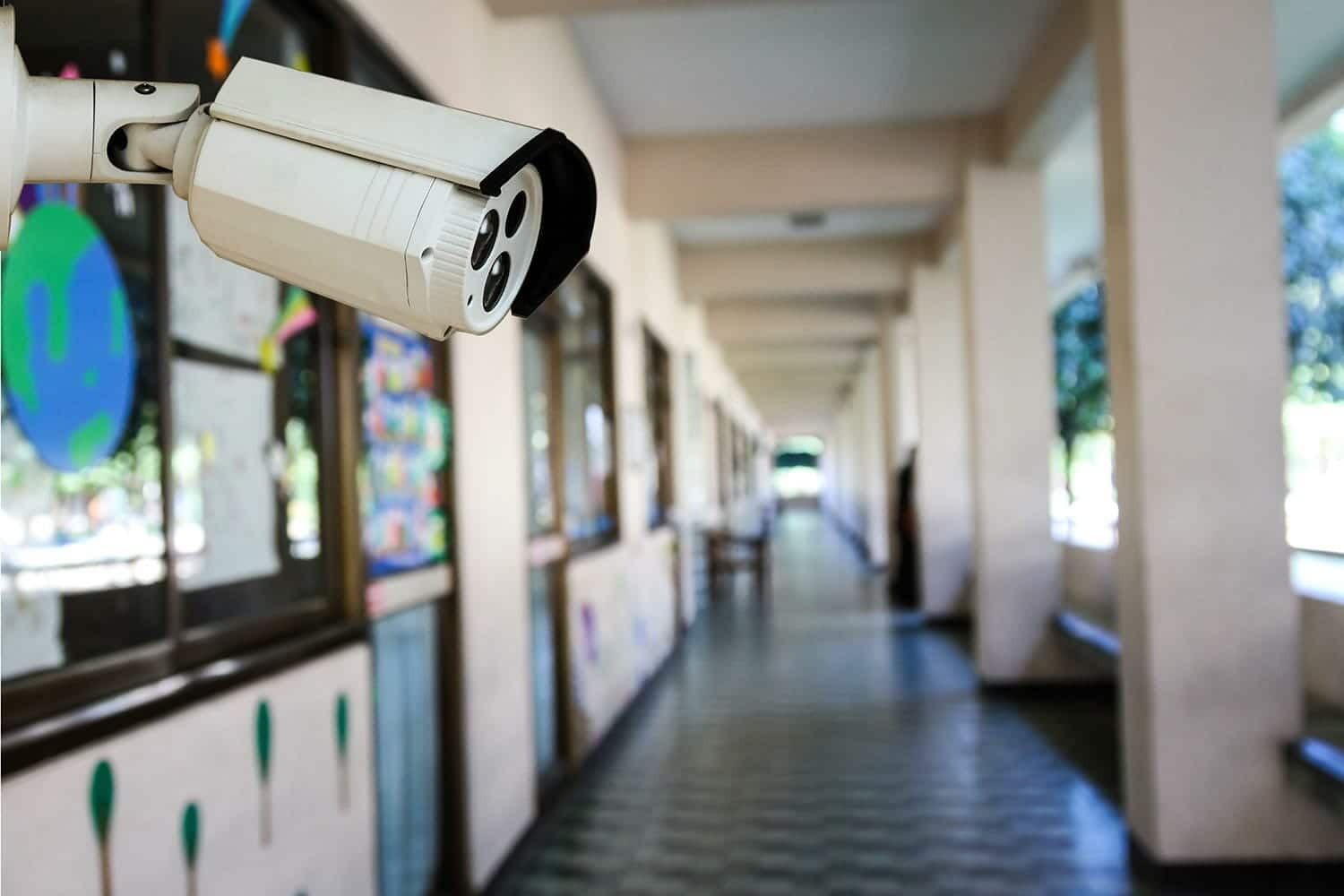
It is disheartening. CCTV cameras have been installed. Police have been sent into schools. Counsellors have been added. So why does bullying persist?
Let me say something uncomfortable but necessary: we have been treating a human problem with a surveillance mindset.
Cameras cover corridors and corners. They may not capture the punch thrown in a toilet or the cruel note passed under a desk. Police can arrest a perpetrator, but they cannot arrest the fear a child carries into class every morning.
Anwar himself highlighted the limitations of CCTV coverage following a bullying-related case in Yong Peng, noting that cameras were installed but not where the incident happened. The point is clear: the places where bullying occurs are not always within camera range.
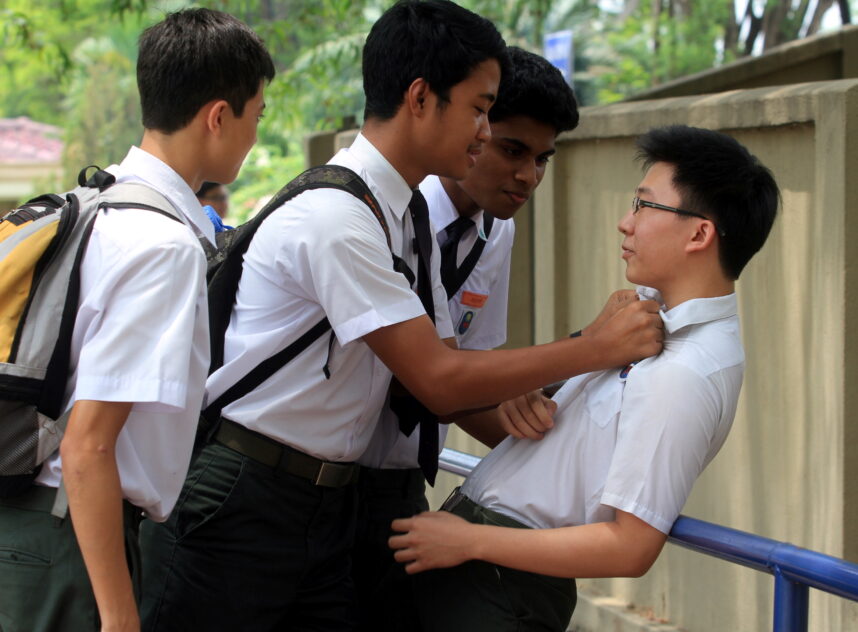
This is not uniquely Malaysian. The OECD’s PISA 2025 findings show that 27% of Malaysian students reported being bullied several times a month or more, compared with an OECD average of 20%. Some 44% said other students made fun of them, against 35.1% across OECD countries.
We are not alone in facing this problem, but the figures suggest there is considerable room for improvement.
I believe a key issue is being overlooked: schools have lost the space, and sometimes the capacity, to solve their own problems.
The ministry issues a circular, and schools execute it. A new system is introduced, and teachers must fill in the data. Yet teachers are already burdened with administrative work that competes with their core responsibility of teaching and supporting students.
The National Union of the Teaching Profession and the Malaysian Teachers’ Alliance Association have raised concerns about documentation, reporting and duplicated data-entry tasks.
iGuru has proposed a “One In, One Out” principle, under which each new administrative task would replace an existing one.
Think about it. A teacher juggling multiple systems, rushing reports and responding to parents’ messages has less time to notice the child who has suddenly gone quiet. How much energy remains to address friction between students before it escalates?
Bullying does not happen in a vacuum. It thrives when warning signs go unnoticed and meaningful intervention comes too late.
I am not suggesting that the ministry should step aside. Curriculum standards, teacher standards and minimum safety requirements must be set centrally. But setting standards and dictating every operational detail are two different things.
Malaysia needs to strike a better balance between central oversight and school autonomy. Schools should have room to make decisions based on their students’ needs, while remaining accountable for safety, student welfare and learning outcomes.
The problem is not simply too much direction. It is too much direction accompanied by too little trust. Schools risk becoming administrative execution centres rather than educational communities empowered to exercise professional judgement.
Security cameras, guards and disciplinary procedures are necessary, but they cannot address every underlying cause of bullying.
Children face academic pressure, harmful behaviour on social media and challenges at home. Schools, meanwhile, must offer more than grades: students need a sense of belonging, support and the confidence that adults will take their concerns seriously.
These issues cannot be captured by CCTV alone. The people best placed to recognise early warning signs are often the teachers who spend every day with their students. If those teachers are buried in administrative work, one of our most important lines of defence is weakened.
My recommendation is straightforward: remove unnecessary administrative tasks and give teachers more time to teach, observe and intervene.

Allow schools greater authority to allocate resources and design interventions suited to their circumstances, rather than waiting for another circular from the ministry.
Autonomy must come with accountability. Schools should be free to develop appropriate responses, but student safety and welfare must remain non-negotiable.
Transparent data, regular reviews and meaningful consequences for failures to act should form part of that arrangement.
Giving schools autonomy is not about abandoning responsibility. It is about recognising that those closest to children are often best placed to understand their needs, provided they have the resources and authority to respond.
This is also a central recommendation of Breaking but Not Broken, a book published by the MCKK Foundation. The ideas it raises deserve wider discussion as Malaysia considers how to build schools where students are not merely monitored, but genuinely protected.
Cameras can record incidents. Police can enforce the law. Circulars can establish procedures. But preventing bullying also requires attentive teachers, trusted school leaders and an environment where children feel safe enough to speak up.
If we want schools to become safer, we must do more than watch what happens. We must empower the people who can change it.
The author, Professor Datuk Dr Ahmad Ibrahim is affiliated with the Tan Sri Omar Centre for STI Policy Studies at UCSI University and is an Adjunct Professor at the Ungku Aziz Centre for Development Studies, Universiti Malaya.
The views expressed are solely of the author and do not necessarily reflect those of MMKtT
- Focus Malaysia.

No comments:
Post a Comment
Note: Only a member of this blog may post a comment.