


Malaysia is on the cusp of a historic democratic transformation with the reintroduction of the Parliamentary Services Act (PSA) 2025.
The tabling of this bill marks a significant milestone in the nation’s commitment to democratic reform, ensuring that Parliament regains its rightful place as an independent institution free from executive influence.
Today, MPs will vote on this crucial bill, which requires a two-thirds majority (148 votes) to amend the law.
This vote will determine whether Malaysia takes a decisive step forward in strengthening parliamentary independence and aligning itself with global democratic best practices.
This legislative move, spearheaded by Minister in the Prime Minister’s Department (Law and Institutional Reform) Azalina Othman Said, is expected to pass with overwhelming support from all 222 MPs.
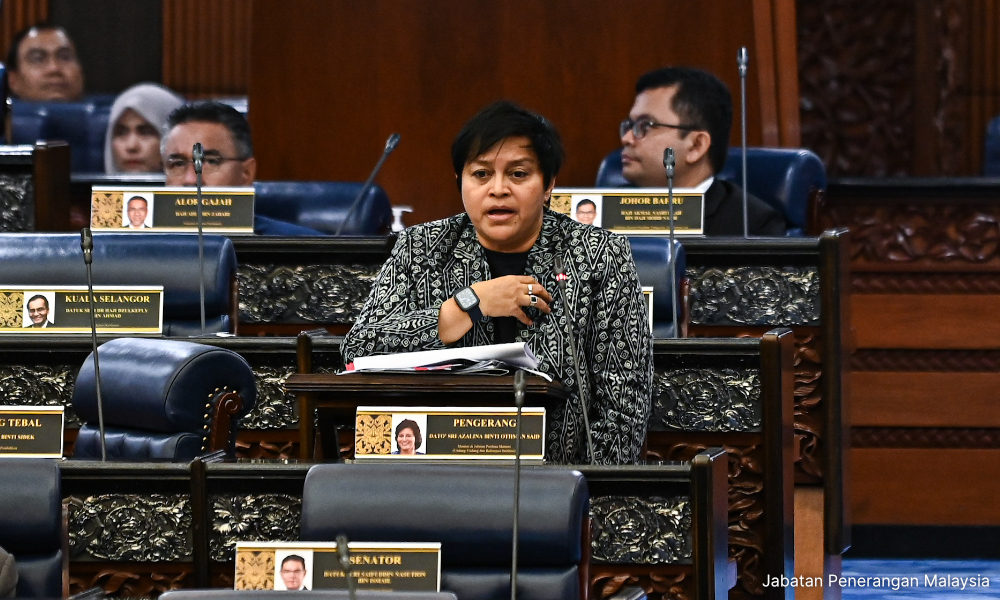
It is a defining moment that reflects the government’s unwavering commitment to strengthening Malaysia’s democratic institutions, enhancing transparency, and ensuring greater accountability in governance.
The PSA is more than just a legal amendment; it is a fundamental shift that will reshape the functioning of Parliament.
It restores the autonomy of the legislative branch by granting Parliament control over its administration, finances, and human resources, breaking free from decades of executive oversight.
The Madani government, under Prime Minister Anwar Ibrahim, has made institutional reform a cornerstone of its agenda, and this bill represents a pivotal moment in elevating Malaysia’s democratic standards to be on par with global norms.
The repeal of the original PSA in 1992, under the administration of Dr Mahathir Mohamad, effectively placed the Parliament under the Prime Minister’s Department.
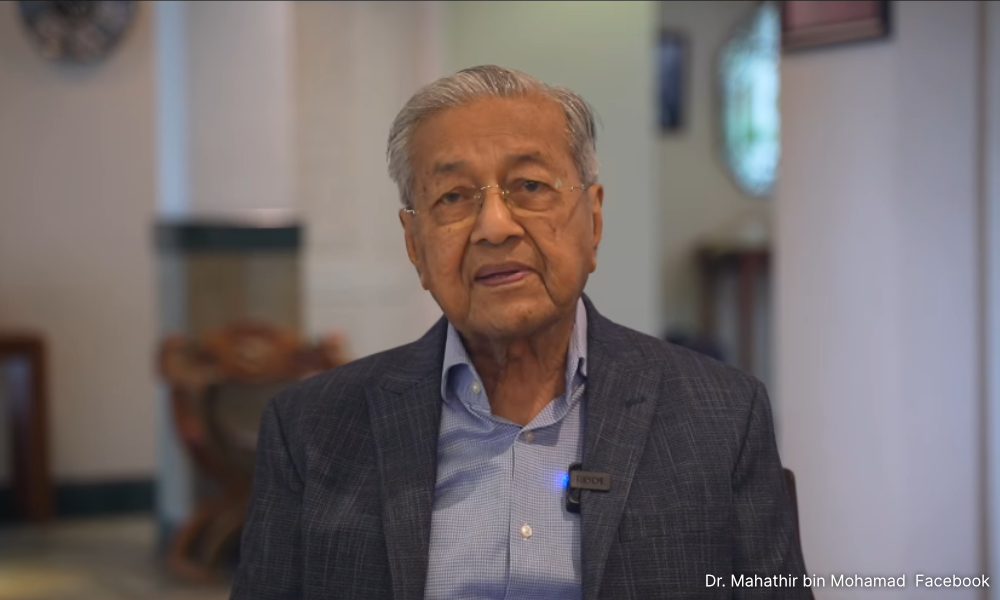
For over three decades, Malaysia’s legislature has lacked true independence, operating under bureaucratic constraints that hampered its ability to hold the executive accountable.
Critics have long pointed out that Parliament’s financial dependence on the executive weakened its role as a check and balance, limiting MPs’ access to resources and professional expertise necessary for informed debate.
The reintroduction of the PSA reverses this regressive move by establishing Parliament as an independent entity, structurally separate from the civil service.
Parliamentary Service Council
Under the new law, a Parliamentary Service Council will be created as the governing body overseeing Parliament’s staffing, financial management, and career development pathways for parliamentary officers.
This reform ensures that Parliament no longer functions as an extension of the executive, allowing it to exercise unhindered legislative oversight over government policies.
A key feature of the PSA is its impact on financial independence. Under the current system, Parliament’s budgetary allocations are determined by the executive, leading to concerns that funding decisions could be influenced by political considerations.
This new law grants Parliament greater financial autonomy by allowing it to manage its own budget allocations, while remaining subject to oversight by the National Audit Department, ensuring continued transparency and accountability in public spending.
This move aligns Malaysia with other mature democracies like the United Kingdom, Australia, and Canada, where Parliament operates with full control over its financial resources.
Money for research
This reform will also enhance the quality of debates in Parliament by allowing more budget allocation for research and policy analysis.
Many MPs lack access to dedicated research teams, often having to rely on limited resources or external sources for policy insights.
The PSA provides a structured mechanism for funding parliamentary research units, enabling MPs to engage in more informed and substantive debates.
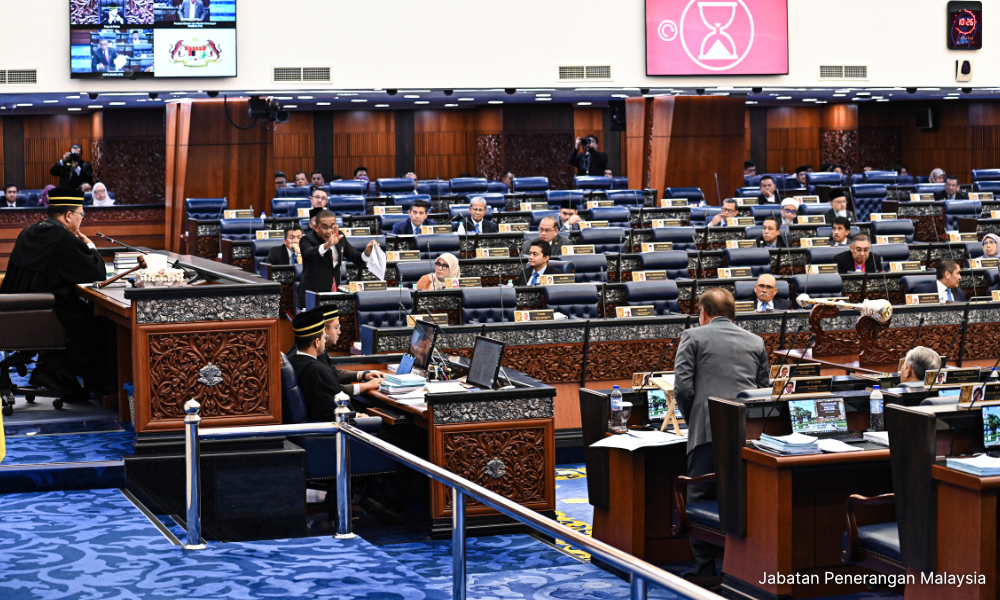
A robust parliamentary research division will ensure that laws and policies are crafted based on comprehensive data and expert analysis, rather than political rhetoric.
Beyond financial independence, the new law also reforms the structure of parliamentary staffing.
Staff appointment
Previously, parliamentary employees were considered part of the Public Service Department, making them susceptible to executive influence in hiring, promotions, and career progression.
Under the PSA, parliamentary officers will no longer be classified as civil servants, but instead as members of a separate parliamentary service.
This shift ensures that staff appointments are made on merit, free from political interference, and that Parliament has access to highly skilled professionals.
Constitution amendments
The reforms also introduce amendments to the Federal Constitution, including changes to Article 56 and Article 57.
These amendments clarify that individuals holding the positions of Senate president and Dewan Rakyat speaker, along with their deputies, will not lose their eligibility to serve due to their membership in the Parliamentary Service Council.
This ensures institutional continuity while preventing any conflict of interest in governance.
Additionally, the PSA will amend Article 65 of the Federal Constitution, granting the Yang di-Pertuan Agong the authority to appoint the secretary of the Dewan Negara and Dewan Rakyat.
Importantly, this appointment is no longer restricted to civil servants, allowing a wider pool of qualified candidates to be considered.
This change is crucial in ensuring that parliamentary administrative leadership is selected based on expertise rather than bureaucratic hierarchy.
Global democratic norms
The global precedent for independent parliamentary services is well-established.
In the United Kingdom, the House of Commons Administration Act 1978 ensures that Parliament functions separately from the government.
In Australia, the Parliamentary Services Act 1999 guarantees full legislative control over its staff, budget, and research funding.
By reinstating the PSA, Malaysia is aligning itself with global democratic norms, reinforcing its commitment to transparency, accountability, and institutional integrity.
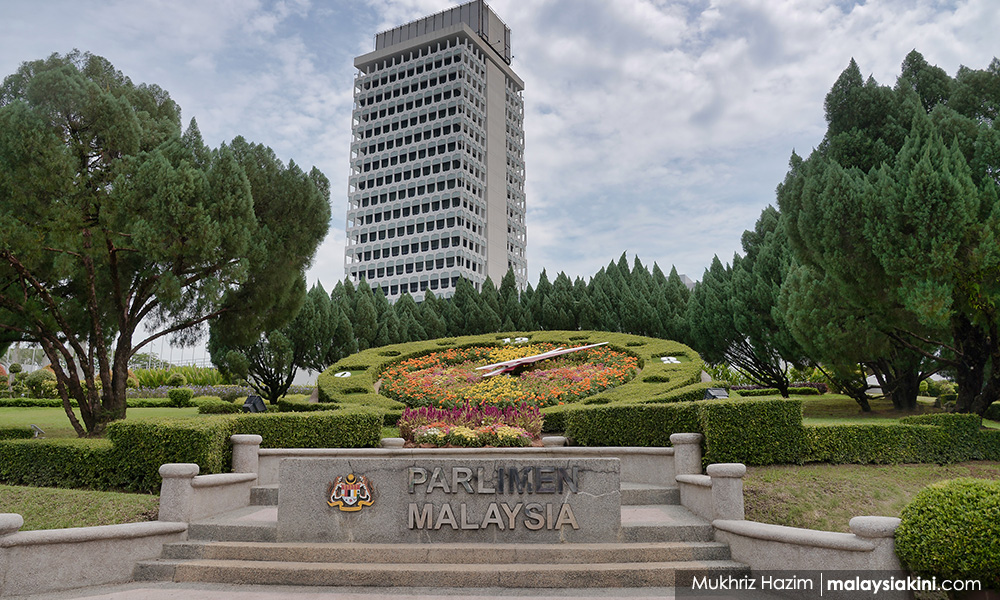
The PSA is not merely a legal restoration; it is a transformative measure that cements Parliament’s role as the guardian of democratic governance.
By removing executive control over Parliament, the Madani government is setting a precedent for good governance, accountability, and institutional independence.
The bill’s passage will significantly empower MPs to effectively oversee government policies, ensuring that the legislature functions as a true voice of the people.
Despite broad support, opposition parties may attempt to delay or question the bill’s implementation, citing concerns over administrative restructuring and budget allocations.
Some may argue that transitioning parliamentary staff from the civil service could lead to complications in salary structures, pension rights, and career progression.
However, the government has taken proactive steps to address these concerns by working closely with the Public Service Department and the Finance Ministry to ensure a smooth transition.
Azalina has reaffirmed that the PSA is a game-changer, signalling Malaysia’s ambition to become a globally respected democracy.
The bill represents a strong commitment by the government to reform legal and institutional frameworks, ensuring that Parliament remains independent, effective, and aligned with the aspirations of the people.
As Malaysia prepares for the second reading of the bill on March 4, the nation stands at a crossroads of democratic progress.
Passing this legislation is more than just a policy achievement; it is a testament to Malaysia’s commitment to good governance and institutional integrity.
With the world watching, the successful enactment of the PSA will reinforce Malaysia’s position as a leading democracy in Southeast Asia, demonstrating that a working government is a government that works for the people.
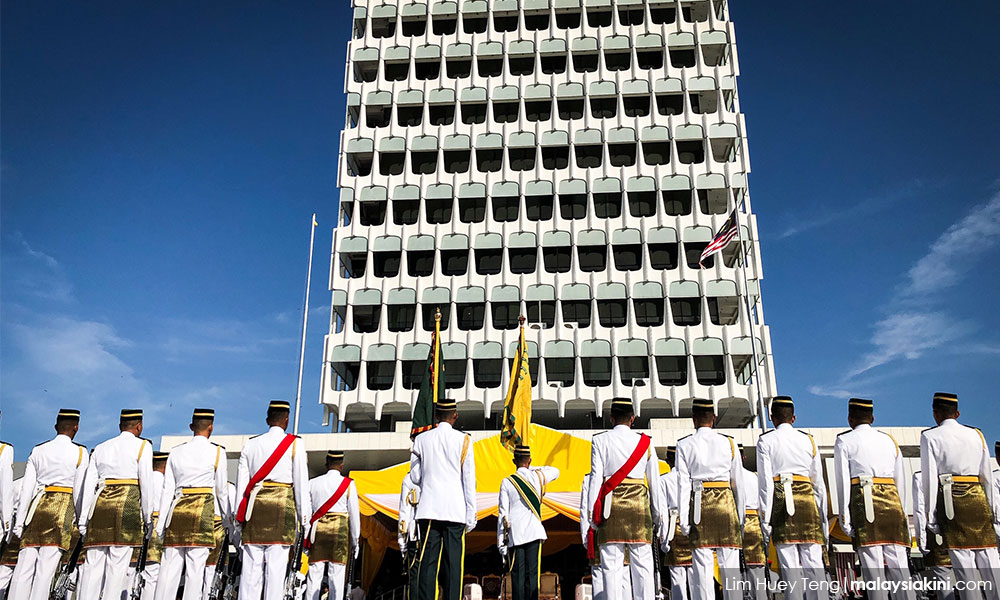
The PSA is not just about restoring Parliament’s independence—it is about elevating the quality of governance in Malaysia.
It is a defining moment where reform meets reality, where institutional integrity is prioritised, and where democracy is truly strengthened.
If passed, this law will ensure that Parliament becomes a beacon of democratic excellence, setting the stage for a new era of legislative empowerment and transparency. - Mkini
RAZIZ RASHID is a strategic communications consultant, former corporate communications head at the Prime Minister’s Department, and Pertubuhan Sukarelawan Siber Selamat chairperson.
The views expressed here are those of the author/contributor and do not necessarily represent the views of MMKtT.

No comments:
Post a Comment
Note: Only a member of this blog may post a comment.