


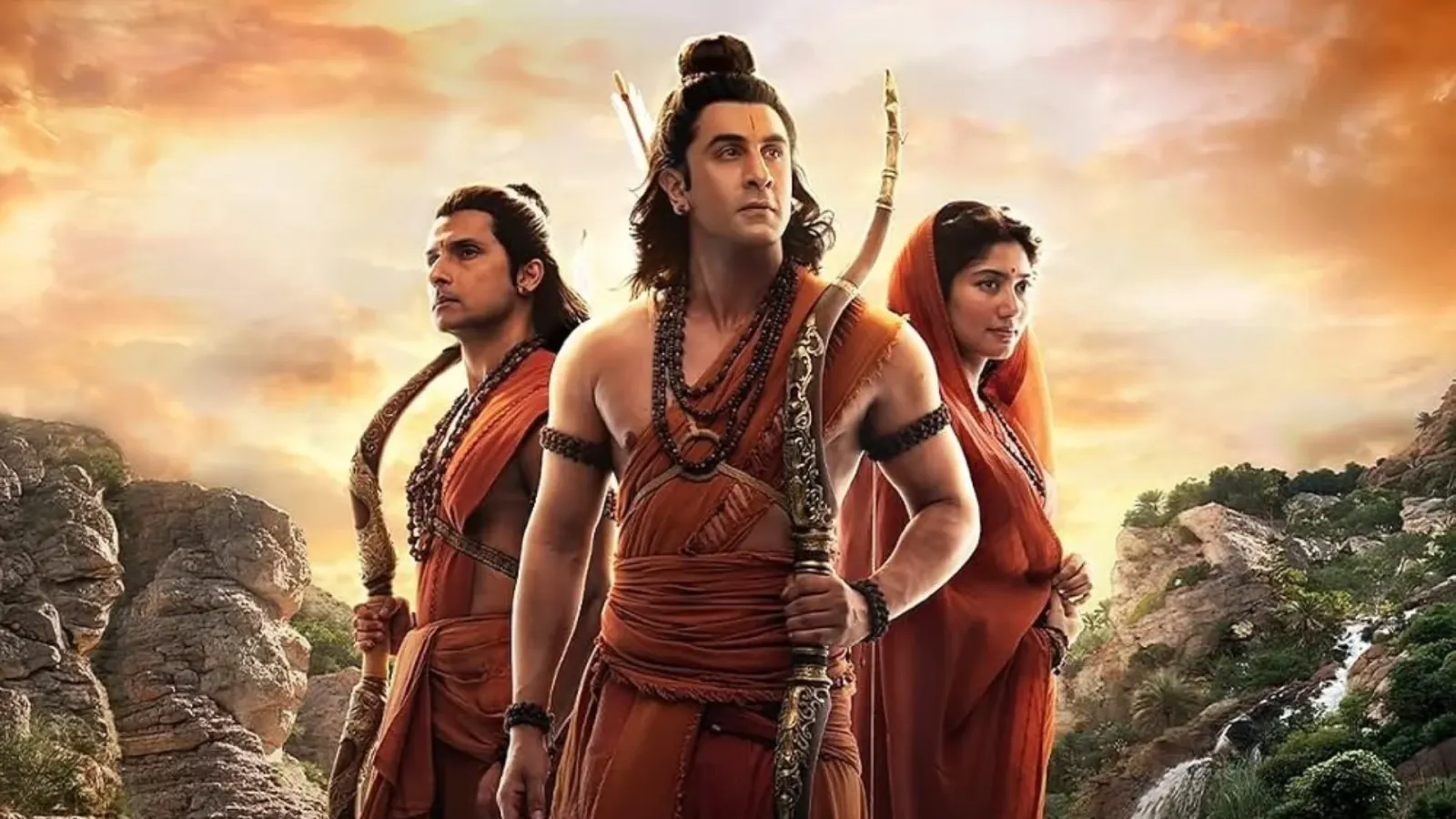
THE idea that Malaysians might convert to Hinduism simply by watching Ramayana, screened during Deepavali, is worth considering calmly rather than treating as a crisis.
Why should a screening of a film based on an ancient religious epic be seen as a threat to people of other faiths? Such anxiety risks breeding suspicion where there should be curiosity, respect and understanding.
A film, however moving, is still a form of storytelling. It may introduce audiences to unfamiliar beliefs, values and traditions, spark admiration or encourage learning. But watching a film for a few hours does not mean adopting another religion. Religious conviction runs deeper than an emotional response to cinema.
A person’s religious identity is often shaped by family, upbringing and community. Faith may begin as something inherited, much like language and cultural customs.
But inheritance alone does not mean its teachings have been understood, internalised or made part of one’s character.
A mature relationship with faith grows through learning, reflection, personal experience and practice.
Over time, knowledge and spiritual insight can strengthen conviction. Faith becomes more than a label recorded at birth; it becomes a conscious commitment expressed through conduct, compassion and service.
If someone believes a film could make them abandon their religion, the constructive response is not to blame the film or the religion it portrays.
Instead, it may be worth asking whether that person’s understanding and practice of faith have been sufficiently nurtured. Someone whose convictions are uncertain may feel a temporary pull or curiosity after encountering a powerful story.
Yet curiosity and appreciation do not amount to conversion, which is a personal decision involving belief and commitment. We should not assume viewers are unable to distinguish appreciation from faith.
The irony is that fear of conversion can signal a lack of confidence in people’s ability to hold on to their beliefs. If a faith is taught with knowledge, lived sincerely and reflected through good character, why be afraid of learning about another tradition?
Confidence in one’s religion should make room for understanding others, not isolation from their stories and cultural expressions.
The Ramayana is an ancient epic that holds an important place in Hindu religious and cultural life. Its stories and retellings have travelled across generations and throughout South and Southeast Asia, taking on different forms and interpretations along the way.
The film Ramayana draws on this rich literary and cultural tradition. Appreciating its artistic, narrative or ethical dimensions does not require a viewer to become Hindu, just as enjoying a film about another religious tradition does not require adopting that faith. Cultural literacy is not religious surrender.
Malaysia’s strength lies in people of different religions and cultures living together without treating every encounter as a contest for followers.
We should distinguish coercion or improper proselytising, which deserves scrutiny, from a film screening and the freedom of audiences to decide what they watch. These are not the same thing.
KT Maran is a Focus Malaysia reader.
The views expressed are solely of the author and do not necessarily reflect those of MMKtT
- Focus Malaysia.

No comments:
Post a Comment
Note: Only a member of this blog may post a comment.