


Politics, at its core, is about governance - managing people, ensuring justice, and safeguarding the welfare of society. It should be rooted in fairness, wisdom, and service to the rakyat.
However, history repeatedly shows how political power, when entwined with rigid ideology and religious exclusivity, can become destructive.
The rise of the “Khawarij” during the early days of Islam remains one of the most alarming examples of how political fanaticism, disguised as religious righteousness, can lead to chaos and bloodshed.
The lessons of the “Khawarij” are not confined to history books; their rigid mindset resurfaces in modern political movements that reject dissent and manipulate religion for power.

The “Khawarij” were an early Islamic sect that emerged during a leadership dispute after the death of Prophet Muhammad.
Dissatisfied with the peaceful resolution between Caliph Ali Abi Talib and his opponent Muawiyah, they insisted that only God could judge rulers and took matters into their own hands.
Their slogan, “There is no rule except for Allah,” appeared noble but was rooted in dangerous absolutism. Rejecting human interpretation of governance, they branded those who disagreed with them - including Ali - as disbelievers.
This extreme and literal interpretation of religion justified violence, culminating in the assassination of Ali. Across Islamic history, the “Khawarij” have been universally condemned for their fanaticism, which contradicted Islam’s core values of mercy, justice, and wisdom.
The “Khawarij” serve as a reminder of what happens when political ambition merges with religious rigidity. Their self-righteousness blinded them to the foundational principles of Islam - mercy, justice, and wisdom.
Opposition, in their view, was not a difference of opinion but an existential threat warranting elimination. Though centuries have passed, echoes of “Khawarij” thought persist today in movements that foster intolerance, reject dissent, and claim exclusive ownership of truth.
Enemies of the faith?
In modern times, politics should prioritise good governance, transparency, and serving the rakyat. Yet, some political groups - particularly those invoking Islam - revive elements of the “Khawarij” mindset.
Rather than uniting people through shared values and justice, they sow division, branding opponents as enemies of Islam.
Carrying an Islamic banner does not automatically endow a political party with Islamic values. Religious slogans, no matter how loud, do not confer righteousness; nor does labeling an opponent as un-Islamic make them an enemy of the faith.
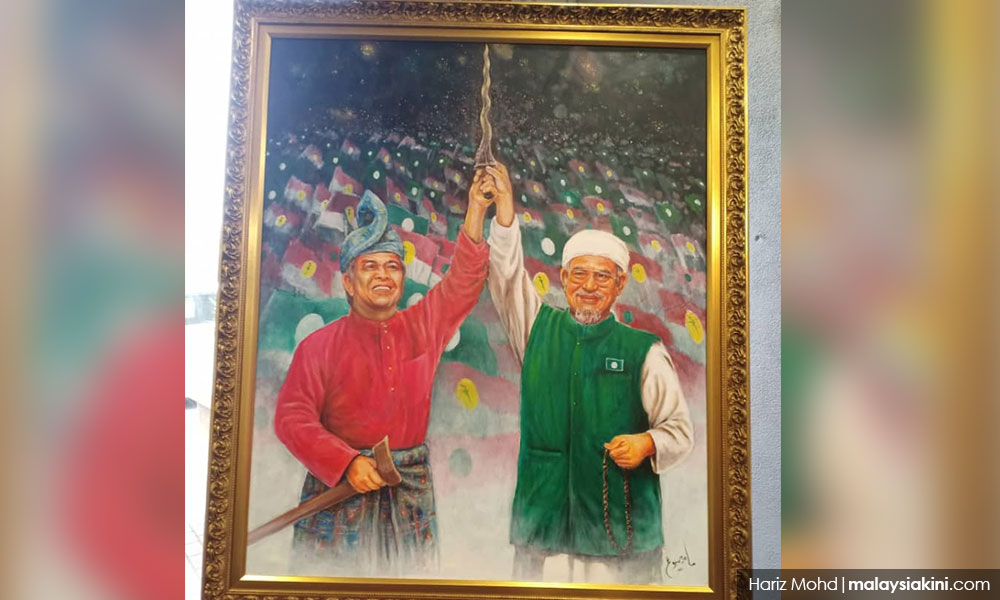
One of the most troubling manifestations of this mindset is “takfir” - the practice of declaring fellow Muslims as disbelievers over political disagreements. The “Khawarij” were the earliest group to adopt this practice, using it to justify their violence against other Muslims.
Today, certain political factions similarly claim that only they represent true Islam, dismissing those who disagree as traitors to the faith. Instead of fostering constructive discourse, such attitudes breed hostility, societal polarisation, and, at worst, violence.
Political rivalry should be grounded in policy differences, not religious condemnation or exclusion.
Equally concerning is the prevalence of selective fatwas - religious rulings that shift according to political expediency rather than consistent ethical standards.
Consider how some scholars aligned with certain political movements condemn alliances with non-Muslim parties when forged by rivals, branding them as haram and betrayals of Islamic principles.
Yet, when their own parties form similar coalitions for political gain, these same scholars hastily declare such alliances as necessary or even obligatory.
This blatant inconsistency undermines the credibility of religious scholarship, revealing a manipulation of religion for political ends. Such hypocrisy erodes public trust in both religious authorities and political institutions, leaving the rakyat disillusioned.
Equating politics with divinity
Political fanaticism doesn’t just harm discourse - it breeds extremism. History shows that movements grounded in rigid, exclusionary thinking can become gateways to radicalisation.
Individuals radicalised within extremist political groups have, in some cases, committed acts of violence under the misguided belief they were serving Islam. Distorted interpretations of Islamic governance reduce it to an oppressive system that mirrors the worst aspects of “Khawarij” ideology.
It is crucial to remember that Islam is not a human-crafted ideology - it is divine guidance that champions justice, compassion, and wisdom. In contrast, political ideologies are products of human thought and, therefore, inherently flawed.
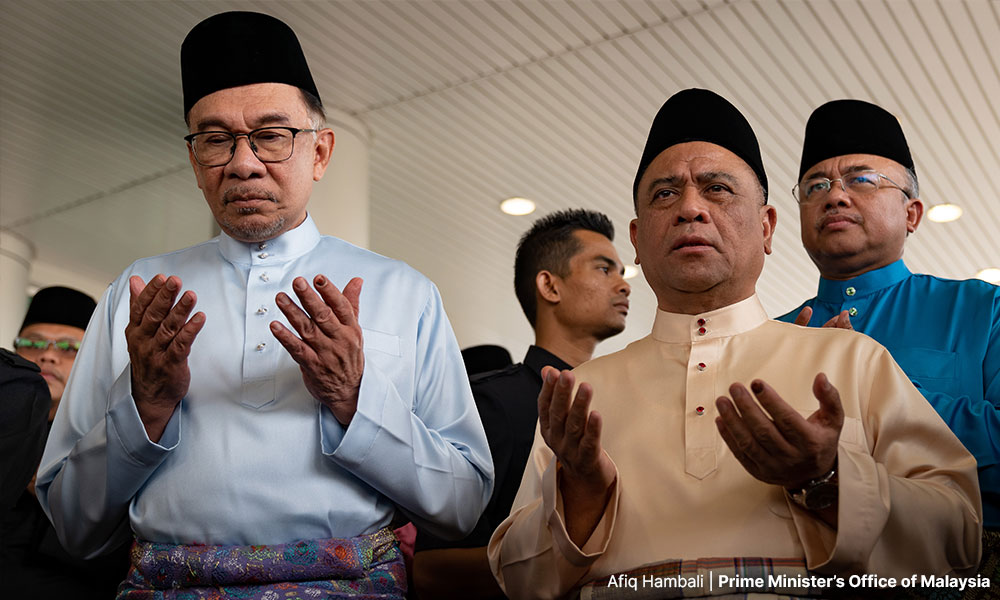
Elevating a political party’s agenda to the level of divine truth is both dangerous and misleading. No party or leader embodies Islam in its entirety. Islam’s richness transcends any political platform.
Leadership in Islam is fundamentally about “maslahah” -promoting the greater good. The Quran praises leaders who rule with fairness and serve their people.
A government’s success isn’t measured by how many religious slogans it adopts but by how effectively it ensures economic stability, protects rights, and fosters harmony. A government’s effectiveness is measured not by its religious branding, but by its ability to serve with justice and integrity.
The rakyat must be vigilant against political movements that weaponise Islam. Voters should prioritise a party’s governance record, commitment to justice, and service to the people - not just its religious rhetoric. Unquestioning loyalty to political leaders can lead to the same dangers that the “Khawarij” represented -rigid dogmatism and intolerance.
History offers a powerful lesson: the “Khawarij”, convinced they were defending Islam, inflicted grave harm on the very people they claimed to protect. Today, similar claims of exclusive religious legitimacy must be met with scepticism. Islam embodies justice, mercy, and wisdom - it should never be reduced to a political tool.
Moving forward, political discourse must be rational, inclusive, and ethically grounded. Leaders must govern with humility, recognising no single party has a monopoly on truth.
The rakyat must reject extremism in all its forms and understand that good governance is measured by genuine service to the people - not by the loudness of religious slogans.
The “Khawarij” were not just a chapter in history - they are a cautionary tale for every generation. Their fatal error was believing their understanding of Islam was absolute and that dissent was intolerable.
Let us ensure that history does not repeat itself. Politics should unite, not divide; it should build, not destroy. Our nation’s future depends on rejecting fanaticism and embracing governance rooted in justice, wisdom, and compassion. - Mkini
MAHATHIR MOHD RAIS is a former Federal Territories Bersatu and Perikatan Nasional secretary.
The views expressed here are those of the author/contributor and do not necessarily represent the views of MMKtT.

No comments:
Post a Comment
Note: Only a member of this blog may post a comment.