


Criticism of the government’s policies is valid, especially concerning the cost of living, subsidy removals, and infrastructure needs.
However, it is equally important to recognise the significant efforts undertaken to address these issues and uplift the rakyat.
The government remains committed to ensuring Malaysians’ welfare through various initiatives, including rural development, infrastructure upgrades, and targeted financial aid.
Infrastructure development in rural areas has seen steady improvements, with significant investments in clean water supply, electricity, and paved roads, particularly in Kedah, Perak, Kelantan, Johor, Sabah, and Sarawak.
These initiatives demonstrate that domestic challenges are actively being addressed, with ongoing efforts to bridge the urban-rural divide.
Poverty reduction remains a key focus, particularly for the urban poor and hardcore poor, a majority of whom are Malay.
Instead of a one-size-fits-all approach, the government has adopted localised strategies tailored to the specific needs of different communities.
Fair distribution of aid
The notion that government assistance favours only one group is misleading. The Chinese, Indians, and others have all benefited from targeted programmes aimed at improving economic opportunities and social mobility.
Kampung Baru Cina has undergone major improvements, with grants allocated for infrastructure upgrades, housing improvements, and better public facilities.

Business grants, low-interest loans, and funding initiatives have also been introduced to support Chinese entrepreneurs, particularly in small and medium enterprises (SMEs).
Additionally, financial aid and education programmes ensure that Chinese students from lower-income backgrounds have greater opportunities to succeed.
The Indian community has also received increased support, particularly in business development and education.
Special initiatives provide financial assistance for small business owners, promote women entrepreneurs, and offer education funding to ensure better access to higher learning institutions.
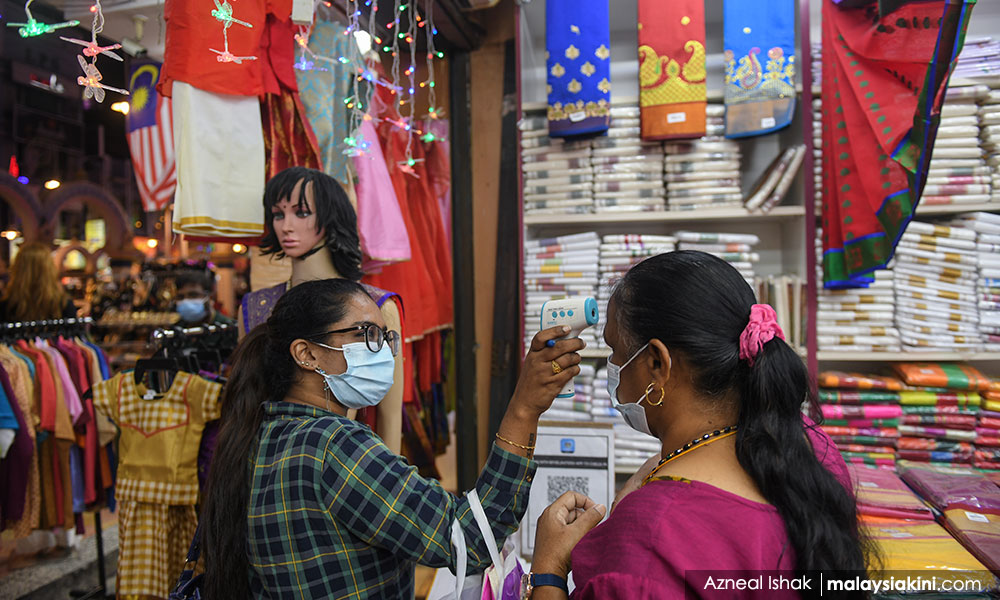
Various funding schemes are in place to help Indian businesses expand and thrive, reflecting the prime minister’s commitment to empowering all communities.
Rather than succumbing to uncertainty, it is crucial to recognise that PMX is steering Malaysia through a necessary economic transformation.
The focus remains on ensuring all communities, regardless of race or background, have access to economic growth, employment opportunities, quality education, and improved living standards.
The changes being made today aim to build a stronger, more stable Malaysia for future generations.
East Malaysia: A continued commitment
Claims that Sabah and Sarawak are being sidelined in development are inaccurate. The Pan Borneo Highway is progressing steadily, enhancing connectivity and economic opportunities in both states.

At the same time, rural development projects continue, with significant investments in schools, healthcare, and public infrastructure.
Additional allocations have been made for the maintenance of federal roads and key infrastructure, reinforcing the government’s commitment to ensuring long-term growth and stability in East Malaysia.
Truth about Gaza rebuilding
One of the most debated topics recently has been Malaysia’s involvement in Gaza’s reconstruction.
Some argue that resources should be focused solely on domestic issues.
However, it is crucial to understand that the funds used for Gaza’s redevelopment are not sourced from taxpayers’ money or the national budget.
This initiative is a joint effort between Malaysia and Japan, financed largely through corporate donations, international funds, and wakaf (endowment) contributions. The misconception that these efforts take away from Malaysia’s own development is unfounded.
Understanding wakaf
Wakaf is a unique Islamic financial instrument where wealth is voluntarily dedicated to public welfare, such as education, healthcare, and infrastructure.
It is not part of government tax revenue but instead relies on private contributions from individuals and organisations.
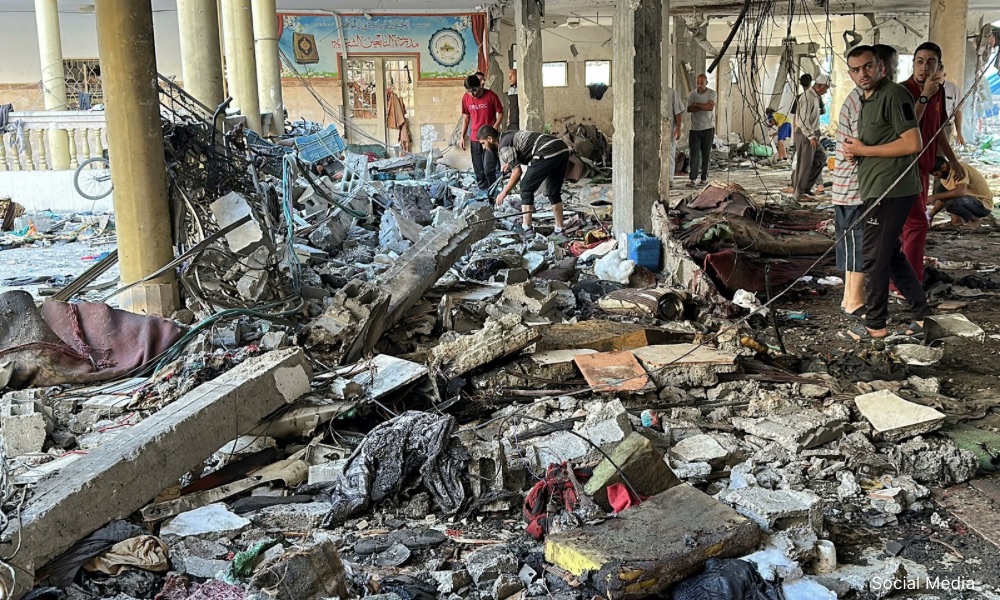
For Gaza’s reconstruction, funding is derived primarily from corporate wakaf initiatives and international collaborations, including Malaysia’s partnership with Japan under the East Asia Cooperation framework. This ensures that:
1. No national development funds are being diverted.
2. Wakaf contributions are meant for humanitarian purposes, particularly for communities affected by war and crisis.
3. Non-Muslims are not obligated or impacted by wakaf contributions, as they are voluntary donations made by Muslims.
Why is Malaysia Involved?
Malaysia has long played an active role in humanitarian and rebuilding efforts, previously aiding Bosnia, Afghanistan, and Rohingya refugees.
Gaza’s reconstruction is a continuation of Malaysia’s commitment to global humanitarian leadership.
As the Asean chair for the next three years, Malaysia is expected to take on a more significant role in international affairs, including humanitarian initiatives.
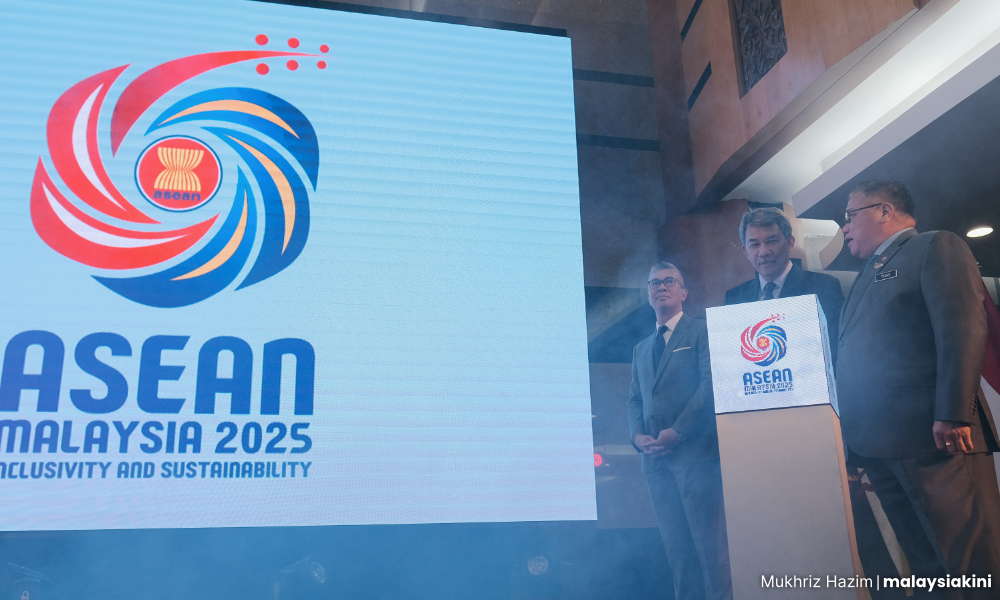
This involvement enhances Malaysia’s diplomatic standing and attracts foreign investment, all of which benefit Malaysians in the long run.
Does this neglect local needs?
Not at all. The government continues to prioritise domestic development, with significant investments in infrastructure, economic aid, and poverty alleviation.
The commitment to improving the lives of Malaysians remains unchanged.
Helping Gaza does not come at the expense of Malaysia’s own progress.
Both domestic and international responsibilities are being managed simultaneously in a sustainable and strategic manner.
The nation’s stability, economic development, and international credibility are all interconnected, and Malaysia must fulfil its role as a responsible global player.
Fair judgment requires time
Is it fair to claim that the government has done nothing for its people? The facts suggest otherwise.
Rome was not built in a day, and neither was national progress achieved overnight.
Economic reforms, infrastructure development, and poverty alleviation require careful planning, strategic implementation, and time to show tangible results.
While calls for improvement are valid, it is equally necessary to acknowledge what has been achieved.
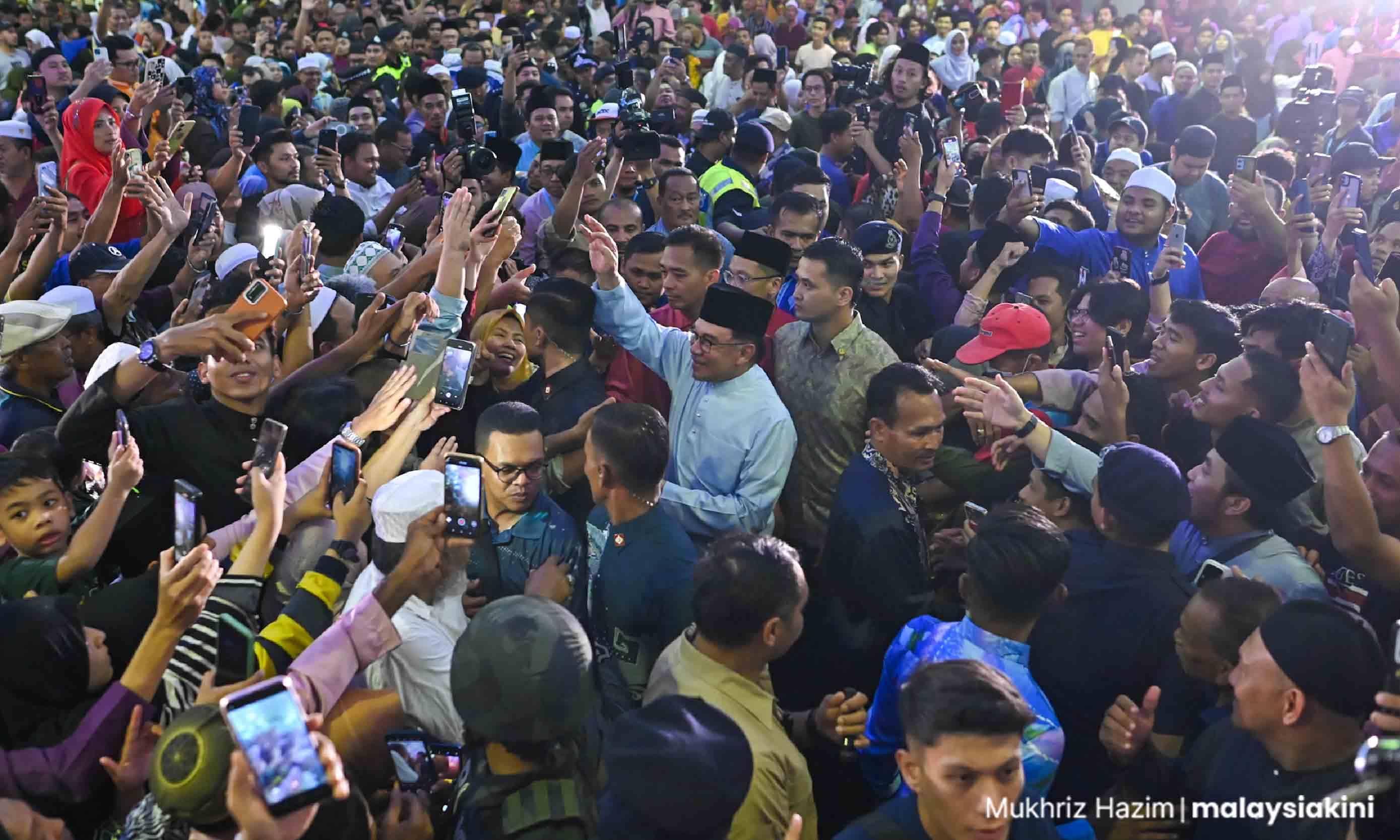
Prime Minister Anwar Ibrahim’s focus on economic stability, infrastructure development, and poverty reduction is already yielding results, and Malaysia is steadily moving forward.
Rather than dwelling on shortcomings, it is more productive to recognise progress, remain patient, and collectively work towards building a stronger Malaysia for future generations. - Mkini
MAHATHIR MOHD RAIS is a former Bersatu and Federal Territories Perikatan Nasional secretary.
The views expressed here are those of the author/contributor and do not necessarily represent the views of MMKtT.

No comments:
Post a Comment
Note: Only a member of this blog may post a comment.