


KINIGUIDE | When 107 inmates awaiting High Court proceedings were moved from the Batu Gajah Correctional Centre to Taiping Prison on Jan 16, 2025, little did they know they would be beaten, stomped, and walked on by prison officers.
Though dubbed a prison riot, CCTV evidence reviewed by the Human Rights Commission (Suhakam) found that the only physical violence was perpetrated by prison guards - not the inmates.
Malaysiakini unpacks the 261-page Suhakam report and details what exactly happened.
What happened before the ‘riot’?
The inmates were transferred to Taiping Prison due to overcrowding at the Batu Gajah Correctional Centre.
Upon arrival at the prison, a shouting match erupted between some inmates and one of the prison guards after they were barred from bringing personal items such as clothes for security reasons.
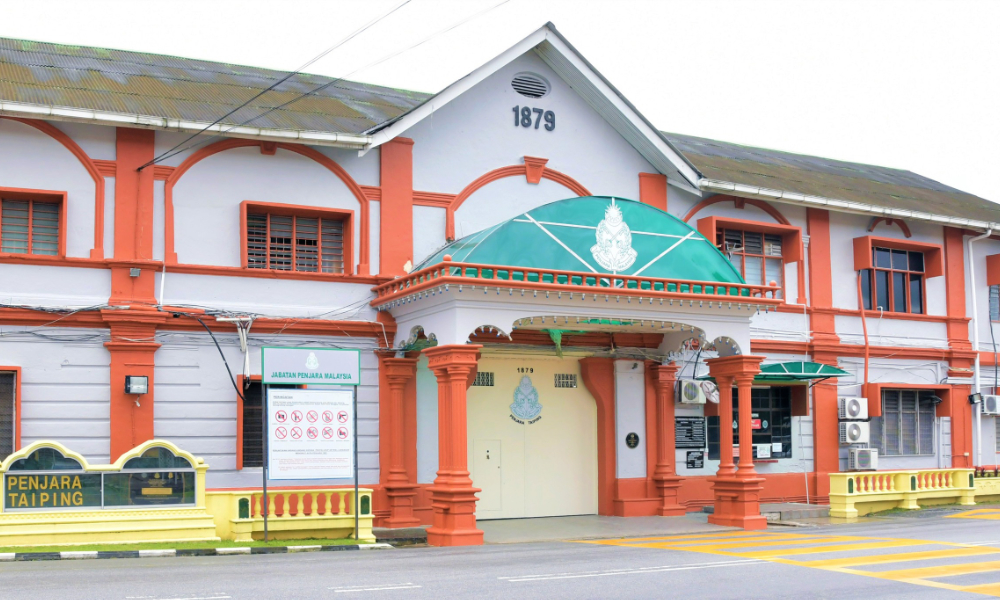
The detainees were placed in Hall B overnight for further security checks and measures.
The plan was to house the detainees in Block E - a place they did not want to go.
What was wrong with Block E?
Simply put, Block E was not fit for human use.
The only toilets were buckets; it was unsafe, dirty, and deemed unlivable, as testified by witnesses during investigations. When it rained, water would enter the cells.
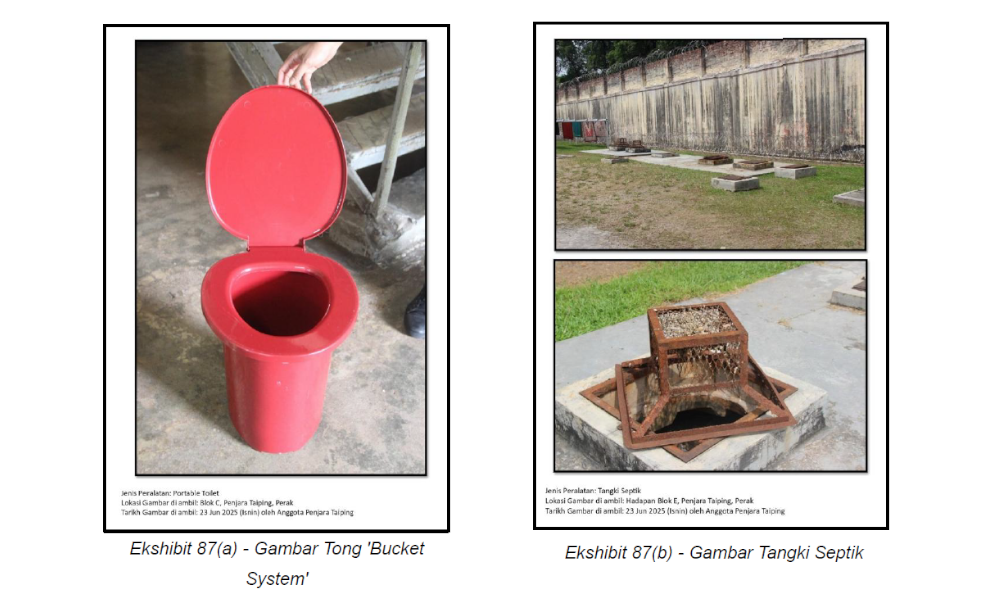
The block had been closed since 2021 after the Public Works Department found it unsafe to occupy without major repairs.
On the day the 107 were supposed to be moved, Jan 17, the detainees held four discussions with the prison officers, including the prison’s deputy director, Shahrul Izzat Hami, pleading to remain at Block B or be moved to the remand block instead.
Their request was denied.
How did the ‘riot’ start?
At 4pm on Jan 17, the inmates - who had been chatting, resting, and sleeping - were given one minute to get ready and leave for Block E.
After one minute, a group of about 58 prison guards stormed in - many clad in armour and wielding shields, batons, and pepper spray.
Another 65 were lined up outside Block B.
After the guards swarmed in, the inmates were instructed to sit on the floor cross-legged with their hands on their heads.
Before entry, the guards were instructed by Shahrul to only use force if the inmates acted violently.
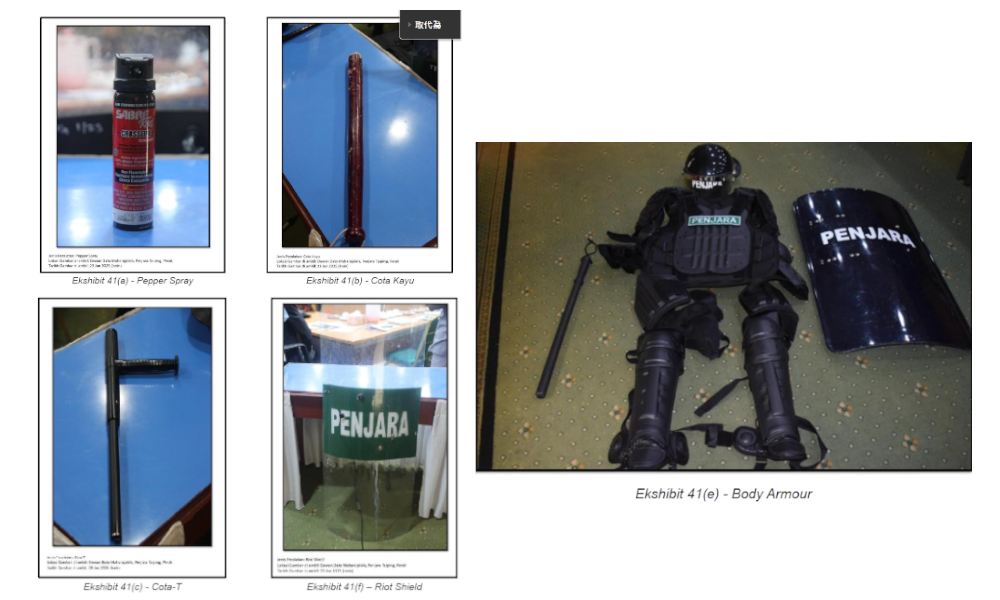
However, those instructions were not followed.
CCTV footage showed a group of guards shoving an inmate at the back of the hall, while another officer was recorded kicking another inmate who was already lined up. This triggered an uproar from the inmates.
Then one by one, they were dragged out from Hall B and shoved, hit by batons, and kicked in the back as they made their way to Block E. Only a few were spared from violence, according to Suhakam’s notes on the CCTV footage.
Several of those waiting in line on the floor were also hit on the head with batons, while others were pepper-sprayed by guards.
One of those who was beaten repeatedly was Gan Chin Eng, 61, who would die not long after.
The attacks occurred while Shahrul watched.
Suhakam noted that throughout the transfer and attacks, the CCTV did not record any instance of inmates retaliating or acting violently towards the guards.
Did Gan receive medical treatment?
Gan received severely delayed and negligent medical attention.
After being beaten and kicked by guards, he was seen wheezing and in a weakened state during the transfer to Block E.

Inside Block E, he collapsed on the floor. While fellow inmates tried to help and fan him, at least seven guards nearby ignored his condition.
Only after persistent pleas from detainees did a sergeant order that Gan be carried to the main gate on a stretcher.
At the gate, a medical officer attached to the prison examined him and found he had unstable oxygen levels.
While the doctor claimed Gan was transported to a hospital within five to eight minutes of arriving at the gate, CCTV footage showed the injured inmate was left waiting for over 30-40 minutes.
During this delay, the Suhakam report noted that the doctor left Gan unsupervised to meet Taiping Prison director Nazri Mohamad in the canteen.
Gan was eventually transported in a prison van that lacked medical equipment and was not accompanied by any medical staff.
He was pronounced dead at Taiping Hospital shortly after arrival, following 15-20 minutes of unsuccessful CPR.
In his referral letter to the hospital, the doctor reportedly wrote that Gan’s injuries were due to an “alleged fall in the toilet” based on the testimony of two other inmates.
However, both inmates categorically denied ever making such a claim.
What happened to the rest?
Following the incident, 24 detainees were isolated in Block C (the isolation block) while the remainder were moved into the dilapidated Block E.
On the night of the incident, the prison’s two medical officers visited the inmates and cleaned the wounds of those seriously injured. However, they were only given gauze bandages, and no wounds were stitched, even for those with head injuries.
Stitching was only carried out the next day, with one inmate receiving stitches three days after the incident.
Medical examinations days and weeks later found that detainees suffered serious injuries, including fractured ribs and burst eardrums.
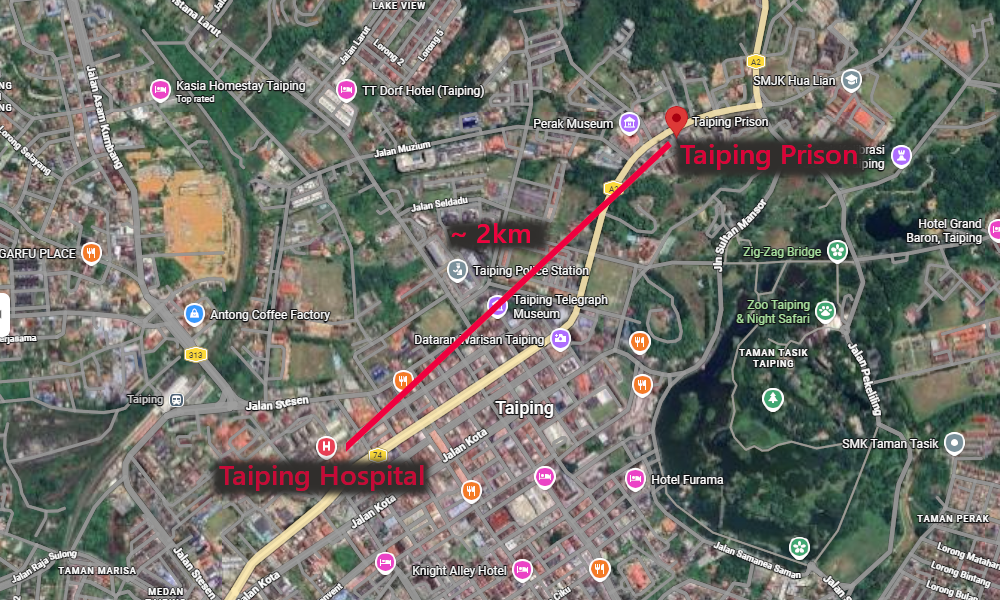
Some of the injured were only sent to a hospital for further treatment after complaining during court proceedings.
Meanwhile, the prison management initially intended to take disciplinary action against the 24 who were isolated, claiming they had started a riot.
In the days following the transfer, the prison management withheld necessities and hygiene supplies, including soap, toothbrushes, mattresses, blankets, and slippers.
Detainees were forced to wear blood-stained clothes for two weeks and were only permitted to bathe using water from a dirty basin that was usually reserved for cleaning toilet buckets. They were not permitted to use a bigger basin that was meant for bathing.
Furthermore, the management blocked family visits and telephone access, which prevented them from informing outsiders about what happened.
However, Nazri claimed that visits and phone access were being prioritised for Chinese inmates because of the Chinese New Year.
How did this get framed as a prison riot?
Suhakam’s public inquiry panel found the framing of the incident as a “riot” was a deliberate narrative created by prison management as an “afterthought” to cover up guard brutality.
The commission also accused Shahrul of instructing one of the guards to lodge a false police report about the incident.
In the report, the guard claimed that the inmates had acted aggressively and attacked guards, forcing them to retaliate.
Meanwhile, Suhakam asserted that claims by guards that an inmate had issued a rape threat against one of their wives were a lie that they concocted together.
The commission said that to support this narrative, medical records were also manipulated by the prison doctors with notes such as “post provocation riot” and “hostile inmate started riot”.
What action was taken?
Despite an internal investigation by the Prisons Department confirming SOP violations and guard violence, no disciplinary action was taken against the officers involved.
Officials cited a “double jeopardy” policy, claiming administrative action could not proceed while a police investigation was ongoing - a justification the inquiry panel found legally flawed.
Instead, the department executed administrative transfers, moving the director to a state office and six other officers to the Kamunting Correctional Centre.
The police investigation, which initially focused only on Gan’s death under Section 302 of the Penal Code for murder, was criticised for being non-comprehensive regarding the other assaults.
Eventually, one officer was charged under Section 304(b) for culpable homicide related to Gan’s death.
The Home Ministry, in a written Parliament reply on June 23, 2026, said the ministry and the Prisons Department were taking follow-up action on Suhakam’s recommendations.
One action included the gradual abolition of the toilet bucket system.
What did Suhakam recommend?
The inquiry panel issued several urgent recommendations to prevent future tragedies:
For the police to conduct a separate, transparent investigation into the guard violence and the filing of false reports, leading to immediate prosecutions.
For Taiping Prison to be decommissioned as a detention facility due to its hazardous condition and status as a heritage site, with a new prison built elsewhere.
For the “toilet bucket system” to be immediately abolished and replaced with modern sanitation to uphold prisoner dignity.
For authorities to address prison overcrowding and reduce the long remand periods that contribute to institutional tension.
For prison medical staff to be placed under the direct supervision of the Health Ministry to eliminate “dual loyalty” and ensure independent care.
For Malaysia to ratify the UN Convention Against Torture and enact specific anti-torture laws to criminalise all forms of cruel or degrading treatment.
For the government to strengthen Suhakam’s statutory powers to allow unrestricted, unannounced access to all places of detention.
- Mkini

No comments:
Post a Comment
Note: Only a member of this blog may post a comment.