


On Monday, the Transport Ministry tabled amendments to the Road Transport Act, but why is the government suddenly cranking up penalties for traffic offences?
The official line is neat and tidy: to “strengthen” the Act’s regulatory and enforcement powers. In practice, it means heavier wallets will be hit harder - minimum fines climbing from RM300 to RM500 for offences ranging from speeding and illegal number plates to driving without a licence.
Transport Minister Anthony Loke said among the key focuses of the amendments is strengthening measures against street racing, which continues to pose a serious threat to the safety of road users, particularly during weekends.
The bill proposes harsher punishment for those caught driving while suspended: up to three years’ imprisonment or a fine of RM3,000 to RM10,000, a significant jump from the previous maximum of one year or RM5,000.
Another clause makes street racing a specific offence punishable by a fine of RM2,000 to RM10,000, up to two years’ jail, or both.
Enforcing laws an issue
But even with the existing penalties, the authorities have not been able to address the issue. It is not that we lack sufficient laws, but even enforcing them has become an issue.

More importantly, laws are impotent if they are not enforced or prescribed selectively. Even when attempts are made to enforce, there are protests and objections from the government ranks.
Last year, Putrajaya announced that it would proceed with its crackdown on overloaded lorries, despite the “pressure” and “threats” aimed at softening the ministry’s approach.
Addressing the Dewan Rakyat, Loke slammed those in and outside the House who had raised concerns on the ministry’s enforcement actions, accusing such parliamentarians of “acting as spokespersons” for lorries carrying excessive loads.
Behind the bureaucratic phrasing of the proposed amendments lies a bigger question: is this about safer roads, or simply another exercise in flexing enforcement muscle? Will it end street racing? Or will it merely deter motorists from affixing fancy number plates?
More importantly, what purpose do these changes serve when discounts are still offered to offenders?
Traffic summonses are penalties for non-compliance - the state’s way of telling a driver, “You’ve broken the law, and it has consequences.”
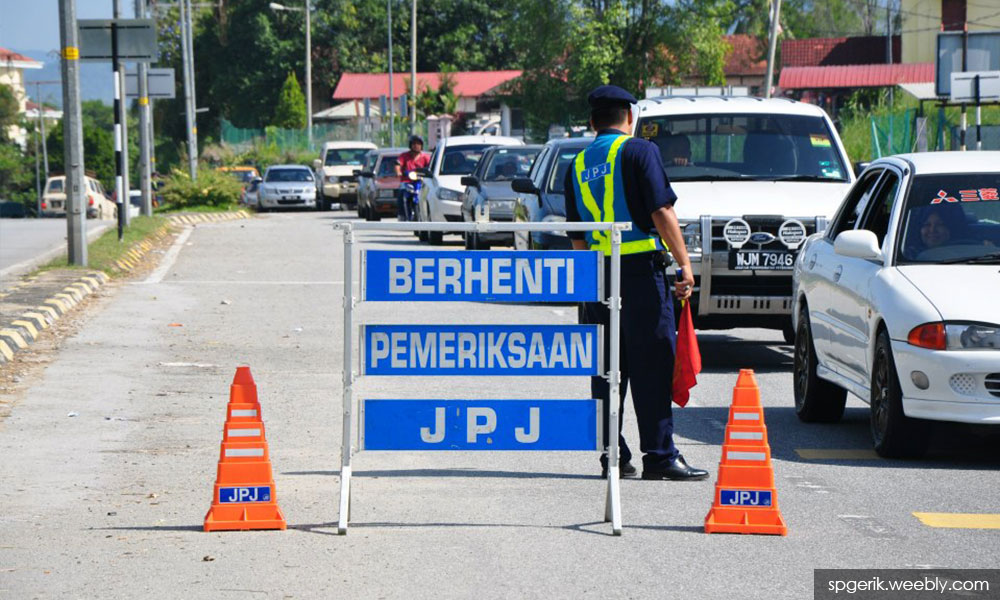
But when these fines are discounted, the entire mechanism is reduced to a collection tool; it will not act as a deterrent.
It sends the wrong message: that if you wait long enough, your mistakes will cost less. The seriousness of the offence matters less than the timing of your payment.
Previously, discounts of 50 to 70 percent were offered to clear outstanding summonses, with Loke himself boasting it was “the highest discount rate we have offered so far.”
No more discounts, but…
Last October, Loke and Home Minister Saifuddin Nasution Ismail announced the end of blanket discounts, touting the new approach as more effective.
The seasonal discounts were abolished and replaced with a “the less you delay, the less you pay” system on Jan 1, 2026, rewarding those who settle their fines early, but have they really worked?
In Kuala Lumpur, police collected about RM7.2 million from 104,900 summonses over two months.
Nationwide, during the same period, the Road Transport Department (RTD) collected RM93.51 million involving 702,606 summonses.
Yet RTD enforcement director Kifli Ma Hassan admitted this was only a small fraction of the RM1.42 billion in outstanding summonses.
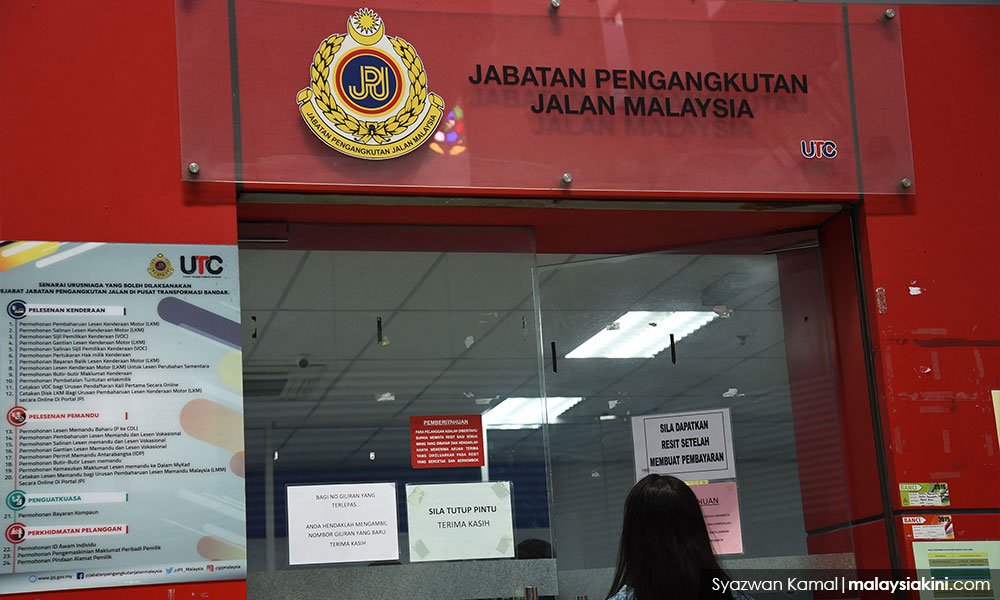
The numbers speak louder than the official rhetoric. Early-bird discounts have not worked.
Meanwhile, road fatalities remain devastating. According to Loke, 4,340 of the 6,537 road deaths recorded in 2025 involved motorcycle users - despite motorcycles accounting for only 13.7 percent of all road accidents.
The statistics grow more alarming: every one hour and 56 minutes, someone dies in a road accident, and a crash occurs approximately every 50 seconds.
During last year’s Hari Raya travel period alone, more than 15,000 accidents and 123 deaths were recorded.
Raising fines while dangling discounts is a contradiction that weakens enforcement and erodes credibility. If penalties are meant to deter, they must bite consistently - not soften with time or political expediency.
Otherwise, the law becomes less about discipline and more about debt collection.
Short of respect for roads
Malaysia’s roads are not short of rules and penalties; they are short of respect for them. When enforcement is treated like a cheap sale, motorists learn to game the system rather than obey it.
Until policymakers decide whether traffic summonses are about deterrence or revenue, the public will continue to see them as “discountable” debts.
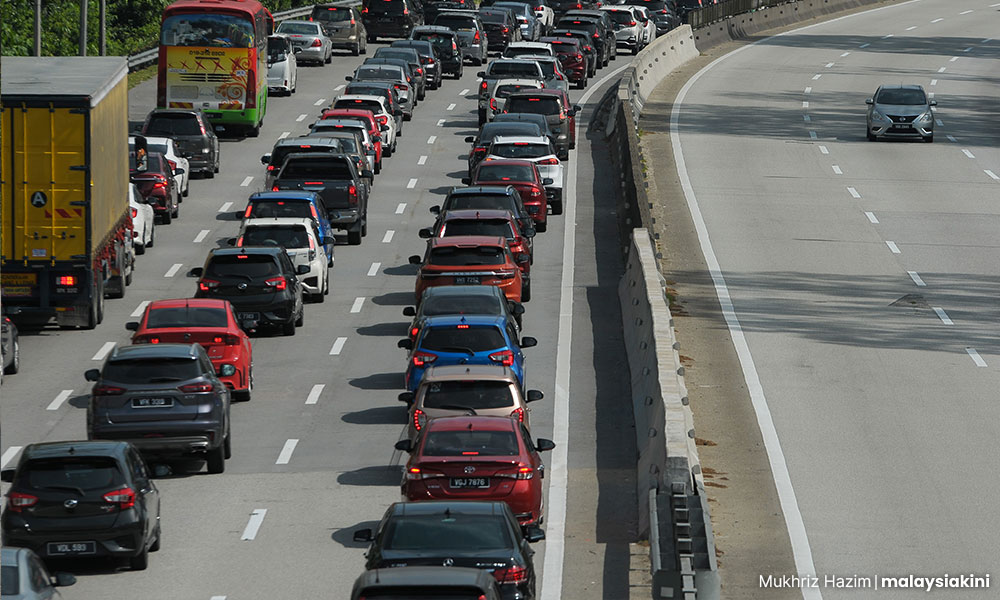
And that leaves us with our roads governed by paperwork, not principle - a system where the penalty itself is stripped of meaning.
When fines become negotiable, deterrence collapses, and the law loses the authority it claims to uphold. - Mkini
R NADESWARAN is a veteran journalist who strives to uphold the ethos of civil rights leader John Lewis: “When you see something that is not right, not fair, not just, you have to speak up. You have to say something; you have to do something.” Comments: citizen.nades22@gmail.com.
The views expressed here are those of the author/contributor and do not necessarily represent the views of MmkTt.

No comments:
Post a Comment
Note: Only a member of this blog may post a comment.