Malaysia, Bangladesh must place migrant protection at heart of partnership
With Bangladesh Prime Minister Tarique Rahman in Malaysia on his first official overseas visit since taking office, Migrant88, Bangladesh Solidarity Network and North South Initiative (NSI) urge both governments to place labour migration, migrant protection, and recruitment reform at the centre of bilateral discussions.
Malaysia is home to hundreds of thousands of Bangladeshi workers whose labour contributes significantly to the economies of both countries.
Yet many continue to face excessive recruitment costs, debt burdens, labour exploitation, inadequate access to justice, and weak institutional protection.
These challenges cannot remain secondary issues in a relationship built on the movement of workers and remittances. For more than a decade, Migrant88 and NSI have documented worker experiences, recruitment practices, trafficking risks, and governance failures affecting Bangladeshi migrants in Malaysia.
Based on that experience, we present the following five recommendations for immediate action.
1. End debt-based recruitment and fully implement the Employer Pays Principle. No worker should begin their employment abroad trapped in debt. Many Bangladeshi workers continue to pay recruitment fees far beyond reasonable limits, often borrowing large sums at high interest rates before departure.
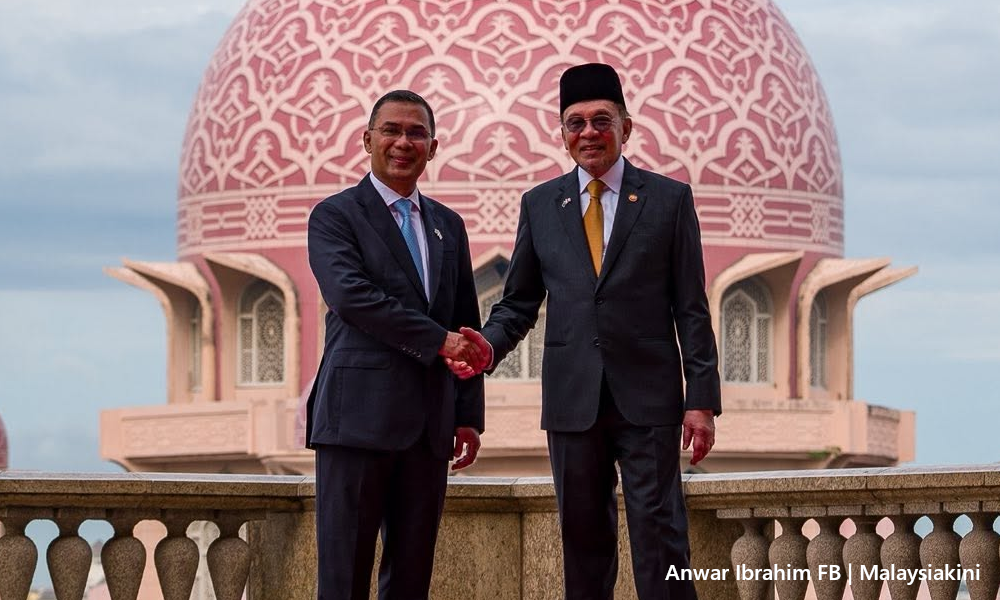
Bangladesh PM Tarique Rahman (left) with Malaysian PM Anwar Ibrahim
As a result, workers may spend years repaying debt before they can support their families or improve their economic situation. Both governments should commit to fully implementing the Employer Pays Principle, as per the International Labour Organization’s (ILO) fair recruitment principles and guidelines, ensuring that workers are not charged recruitment fees or hidden migration costs.
This should include:
Transparent disclosure of all migration-related costs before departure.
Strong monitoring of recruitment agencies and intermediaries.
Independent audits of recruitment practices.
Effective penalties for agencies that violate regulations.
Amendment of national laws of both countries to ensure workers pay zero fees for work.
Migration should create opportunities, not debt bondage.
2. Combat Rohingya trafficking networks and investigate political protection. The Rohingya crisis remains one of Southeast Asia's most urgent humanitarian and security challenges. For years, criminal trafficking networks have exploited the desperation of Rohingya refugees and vulnerable migrants, facilitating dangerous maritime journeys from the Bangladesh coastline toward Malaysia and other countries in the region.
These operations have resulted in loss of life, human suffering, and the growth of highly profitable transnational criminal enterprises that undermine regional security and border governance.
ADS
Bangladesh and Malaysia should establish a permanent joint anti-trafficking cooperation mechanism involving law enforcement agencies, maritime authorities, intelligence services, and regional partners, including the Bali Process.
Efforts should focus on:
Identifying and dismantling trafficking networks operating across borders.
Investigating financiers, recruiters, transporters, brokers, and facilitators involved in trafficking operations.
Strengthening intelligence sharing and maritime enforcement cooperation.
Protecting trafficking victims and vulnerable migrants through victim-centred approaches.
Publishing regular information on investigations, arrests, prosecutions, and convictions.
At the same time, anti-trafficking efforts must address longstanding concerns regarding corruption, local protection networks, and allegations of political influence that may enable trafficking operations to continue.
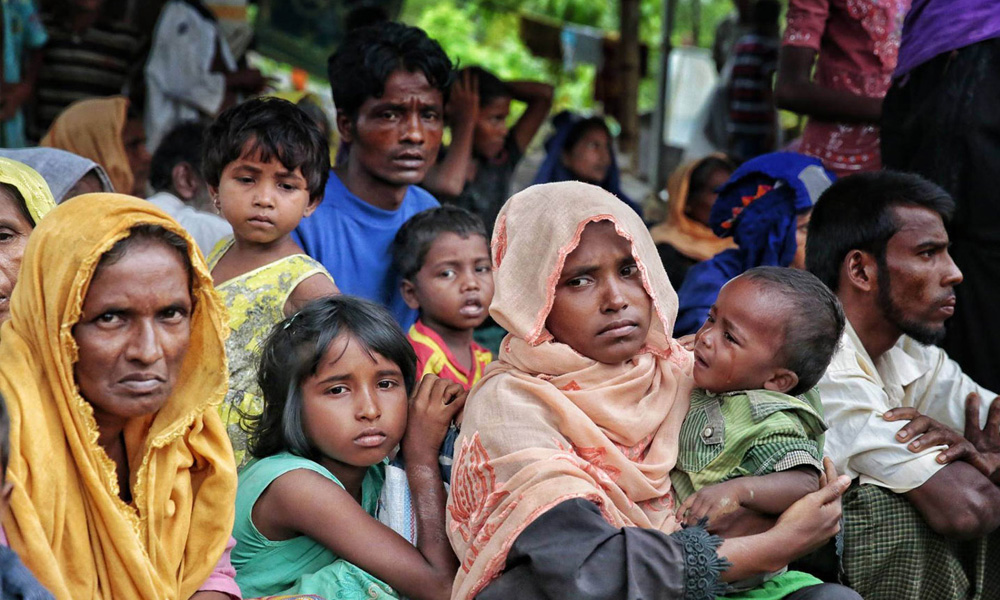
Rohingya refugees
Numerous reports by journalists, researchers, and civil society organisations have raised questions about how such networks have been able to operate repeatedly without meaningful disruption.
We therefore call for independent investigations into allegations that politically connected individuals, local power brokers, or public officials may have facilitated, protected, or profited from trafficking activities.
Where credible evidence exists, accountability should apply regardless of political affiliation, position, or influence. Human trafficking must be treated not only as a humanitarian concern but also as a transnational security threat requiring coordinated regional action, political will, and meaningful accountability.
3. Break recruitment syndicates and restore transparency in labour migration. Labour migration should be governed by transparency, competition, and accountability. For too long, recruitment systems have been criticised for allowing a limited number of actors to dominate worker recruitment, creating conditions that increase costs and reduce transparency.
Both governments should work toward a recruitment framework that:
Allows fair and transparent access for employers and workers.
Prevents monopolistic practices and syndicate control.
Ensures public disclosure of licensed recruitment agencies.
Provides accessible information on recruitment costs and employment contracts.
Allegations of corruption, political influence, or abuse involving recruitment agencies or public officials should be independently investigated by the appropriate authorities.
Public confidence can only be restored when accountability applies equally to all parties, regardless of status or political connections.
4. Hold recruitment agencies and industry bodies accountable. Recruitment agencies play a critical role in safeguarding migrant workers and maintaining public confidence in the Bangladesh–Malaysia labour migration system.
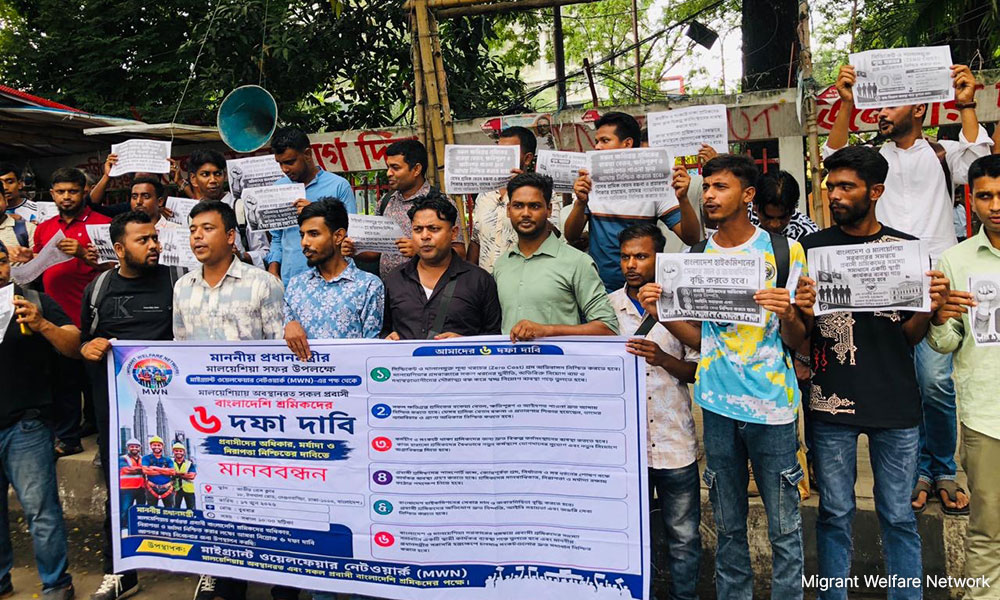
A protest demanding an end to recruitment syndicates in Dhaka, Bangladesh
Yet for many years, workers have continued to report excessive recruitment fees, deceptive practices, contract substitution, document confiscation, debt bondage, and other forms of exploitation.
Where credible evidence exists of trafficking, labour exploitation, corruption, or recruitment-related abuse, authorities in both countries should take swift and transparent enforcement action.
We further call on the Bangladesh Association of International Recruiting Agencies to actively support accountability and reform within the recruitment sector. Industry bodies must not function as protective shields for agencies facing credible allegations of misconduct.
Protecting the reputation of the migration industry requires confronting abuse, not defending it.
We urge both governments and industry stakeholders to:
Strengthen regulatory oversight of recruitment agencies.
Conduct regular compliance and financial audits.
Ensure greater transparency regarding agency ownership, performance, and disciplinary actions.
Publish publicly accessible lists of licensed, suspended, sanctioned, and blacklisted agencies, their owners and beneficial owners.
Establish stronger cooperation between Bangladeshi and Malaysian regulators on investigations and enforcement via legally binding bilateral agreements.
Introduce effective penalties for agencies found guilty of worker exploitation, trafficking, or recruitment fraud.
Accountability must extend across the entire recruitment chain - from recruiters and intermediaries to agency owners, industry bodies, and any individuals who facilitate or profit from exploitation.
Labour migration should serve workers and employers, not recruitment syndicates or vested interests.
5. Strengthen worker protection services at the Bangladesh High Commission in Malaysia. The Bangladesh High Commission should serve as a trusted institution for all Bangladeshi workers, regardless of their political affiliation, district of origin, social background, or personal connections.
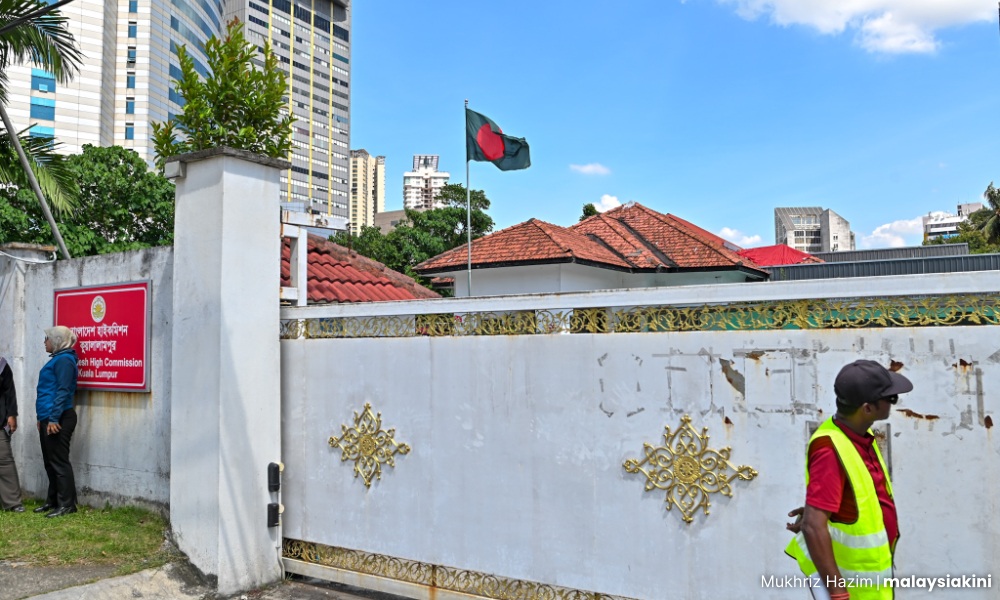
The Bangladesh High Commission in Kuala Lumpur
We recommend the establishment of an Independent Migrant Worker Assistance and Complaints Council comprising representatives from the high commission, labour rights experts, legal professionals, civil society organisations, and migrant worker representatives.
This is in line with the principles of business and human Rights, especially effective remedies, and must include restitution.
The council should provide a safe and confidential mechanism for workers to report:
Labour exploitation
Wage theft
Passport confiscation
Human trafficking concerns
Workplace abuse and harassment
Consular service complaints
In addition, the high commission should:
Establish a multilingual migrant worker hotline.
Create a secure digital complaint platform.
Publish service standards and complaint response timelines.
Conduct regular outreach visits to worker communities throughout Malaysia.
Strengthen cooperation with Malaysian labour authorities, law enforcement agencies, legal aid organisations, and shelters.
Publish annual reports on complaints received, actions taken, and outcomes achieved.
Ensure only genuine and verified employer contracts with workers are attested.
Workers must know that when they seek assistance, they will be heard, protected, and treated fairly.
Shared responsibility
Migrant88, Bangladesh Solidarity Network and NSI further encourage both governments to explore safer, simpler, and lower-cost banking and remittance channels for Bangladeshi workers and students in Malaysia.
Every ringgit earned through hard work should reach families through secure and transparent financial systems. Tarique's visit presents an important opportunity to strengthen a bilateral relationship that is deeply connected to labour mobility and human dignity.
The success of this visit should be measured not only by diplomatic agreements but also by meaningful improvements in the lives of the workers whose contributions help sustain both nations.
We urge both governments to seize this opportunity and place migrant protection, transparency, and accountability at the heart of their partnership.
MIGRANT88 is an independent think tank focusing on probing the intersection of corporate power, political repression, and global injustice.
BANGLADESH SOLIDARITY NETWORK is a civil rights and migrant advocacy coalition that focuses on protecting the rights of Bangladeshi workers abroad, combating labour exploitation, and promoting international labour standards. - Mkini
NORTH SOUTH INITIATIVE works with marginalised communities, with a focus on migrants and refugees.
The views expressed here are those of the author/contributor and do not necessarily represent the views of MMKtT.
No comments:
Post a Comment
Note: Only a member of this blog may post a comment.



No comments:
Post a Comment
Note: Only a member of this blog may post a comment.