


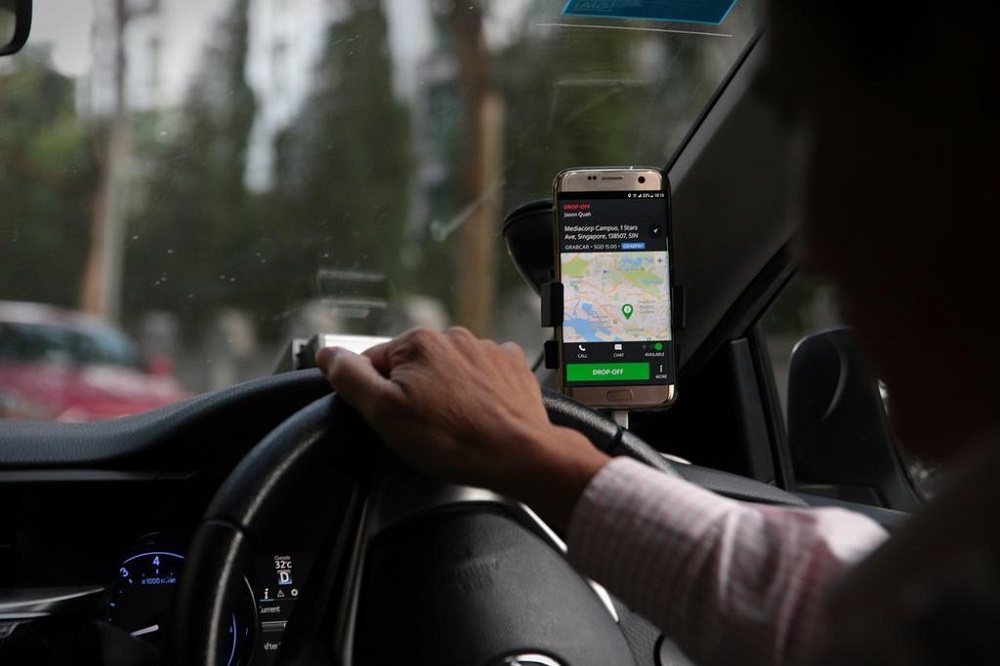
RECENT concerns over the safety of e-hailing drivers have sparked renewed discussion about how best to protect those who transport strangers for a living.
While technology has changed the industry dramatically over the years, one thing remains constant: every passenger is an unknown quantity.
Long before ride-hailing apps became part of daily life, taxi drivers, limousine chauffeurs and hired-car operators faced similar risks. My own experiences over several decades in the transport industry offer some insight into the challenges drivers continue to face today.
In the 1970s, I was attached to a tour company that provided chauffeur-driven vehicles ranging from Mercedes saloons to large American cars. Customers could book a vehicle and driver by phone or simply walk in and hire one for a few hours or several days.
In 1975, a customer hired a Mercedes for an overnight trip to Ipoh. The driver, who had no reason to suspect foul play, agreed to share a hotel room with the customer and was treated to dinner and several bottles of stout.
The next morning, the customer had disappeared. So had the car key.
The Mercedes was never recovered.
Years later, another incident highlighted how quickly things can go wrong. In the late 1990s, a limousine taxi arrived at a five-star hotel in Kuala Lumpur from the airport. As was customary, the driver left the engine running while unloading luggage from the boot.
While he was distracted, someone jumped into the driver’s seat and drove away with the vehicle.
The car was never recovered, and because the driver had left the engine running, insurance complications followed.
These incidents may sound extraordinary, but they illustrate a reality familiar to many drivers. The job often requires trusting complete strangers while operating in situations where opportunities for crime can arise unexpectedly.
Between 2000 and 2003, I drove premier taxis fitted with partitions separating drivers from passengers. The design offered an additional layer of protection and gave drivers greater peace of mind.
Later, while driving a budget taxi, I became even more conscious of personal safety. Taxi drivers frequently encountered passengers whose intentions were unclear, and robberies against drivers were not uncommon.
Over time, experience taught me to be observant. Drivers learn to assess situations quickly, paying attention not only to what people say but also to how they behave. Small details can sometimes reveal far more than words.
Today’s e-hailing drivers benefit from technologies that earlier generations never had. Passenger information, digital payments, GPS tracking and emergency assistance features all provide additional safeguards.
Yet technology alone cannot eliminate risk.
Drivers still operate in confined spaces with people they have never met before. They continue to work late hours, travel to unfamiliar locations and occasionally deal with unpredictable situations.
As the transport industry evolves, new safety measures should continue to be explored and strengthened. However, no system can remove every danger.
Whether driving a limousine in the 1970s, a taxi in the 2000s or an e-hailing vehicle today, the same principle applies: vigilance remains a driver’s most valuable form of protection.
Technology may change, but human nature does not.
YS Chan is a tourism, transport and training consultant.
The views expressed are solely of the author and do not necessarily reflect those of MMKtT.
- Focus Malaysia.

No comments:
Post a Comment
Note: Only a member of this blog may post a comment.