


The government’s recent move to raise the compounds for traffic offences is the right move, but the lack of follow-through is a huge concern.
Let me be completely clear from the outset: I support tougher fines. If reckless behaviour on Malaysian roads carried a mandatory RM2,000 compound per offence, you would get no argument from me.
But the tabling of the traffic law amendment this week is staring at a glaring mathematical paradox.
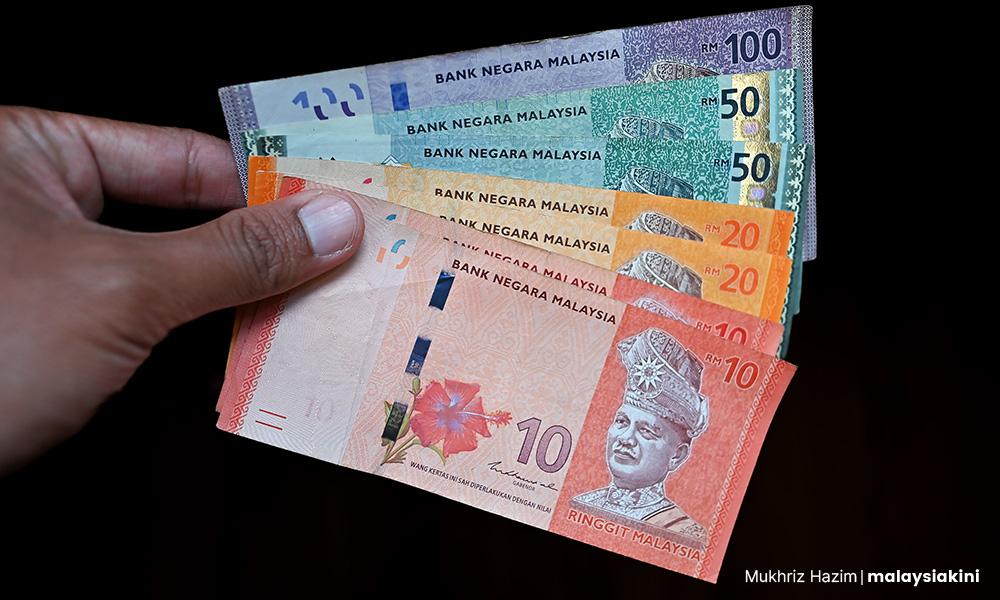
If a driver has already ignored 10 outstanding summonses at RM300 each over the years, what will persuade him to settle the 11th simply because the speeding ticket price went up to RM500?
The honest answer is: nothing. In enforcement terms, an uncollected RM500 summons is worth the same as an uncollected RM300 summons - zero.
The absence of a convincing answer to this question tells us more about Malaysia’s road safety crisis than any compound rate ever could.
The science is clear
Decades of international criminological research distil into one consistent finding: it is the certainty of being caught - not the size of the punishment - that changes human behaviour.
• The Norway Paradox (Elvik & Christensen, Journal of Safety Research, 2007): Norway escalated speeding fines by up to 150 percent over a full decade. Measurable change in motorist behaviour: zero.
• The Queensland Backfire (Watson et al., Accident Analysis and Prevention, 2015): After Australia introduced harsher speeding penalties, repeat offenders did not slow down. The interval between their offences actually decreased.
• The Elvik Meta-Analysis (2016, 43 international data points): A fine increase of up to 50 percent produced no statistically significant change in traffic violations, including among recidivist offenders specifically.
• The Golden Rule (US National Institute of Justice, Research Brief NCJ 247350): “The chance of being caught is a vastly more effective deterrent than even draconian punishment.”
• The Nagin Conclusion (Carnegie Mellon University, Crime and Justice, 2013): After reviewing 50 years of global deterrence research, Professor Daniel Nagin concluded it is the certainty of apprehension, not the severity of consequence, that modifies behaviour.
Other countries’ policies on stubborn offenders
Malaysia is not short of international models for reference.
• United Kingdom: Enforcement agency vehicles fitted with Automatic Number Plate Recognition cameras cross-reference every passing plate against a live database.
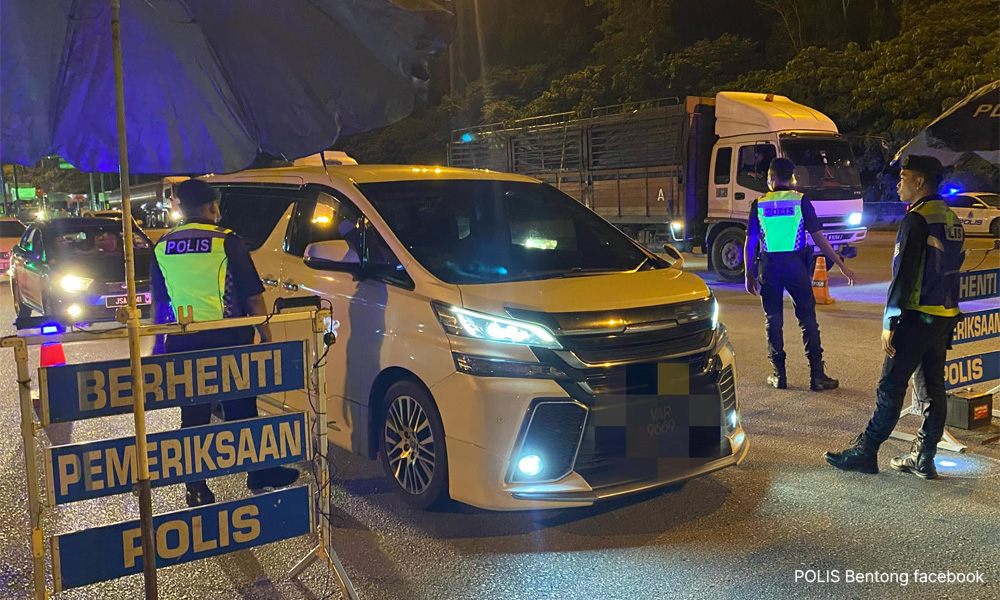
Flagged vehicles - unlicensed, uninsured, or owing significant outstanding compounds - are wheel-clamped or towed on the spot. No roadblock. No warning. No negotiation.
• Australia (Queensland): Under “hoon laws”, vehicles driven by unlicensed operators or chronic fine-defaulters are impounded immediately. Fail to settle debts within the stipulated period, and the state auctions or crushes the vehicle.
This applies to the car regardless of who owns it - forcing parents, employers, and rental companies to police their own keys.
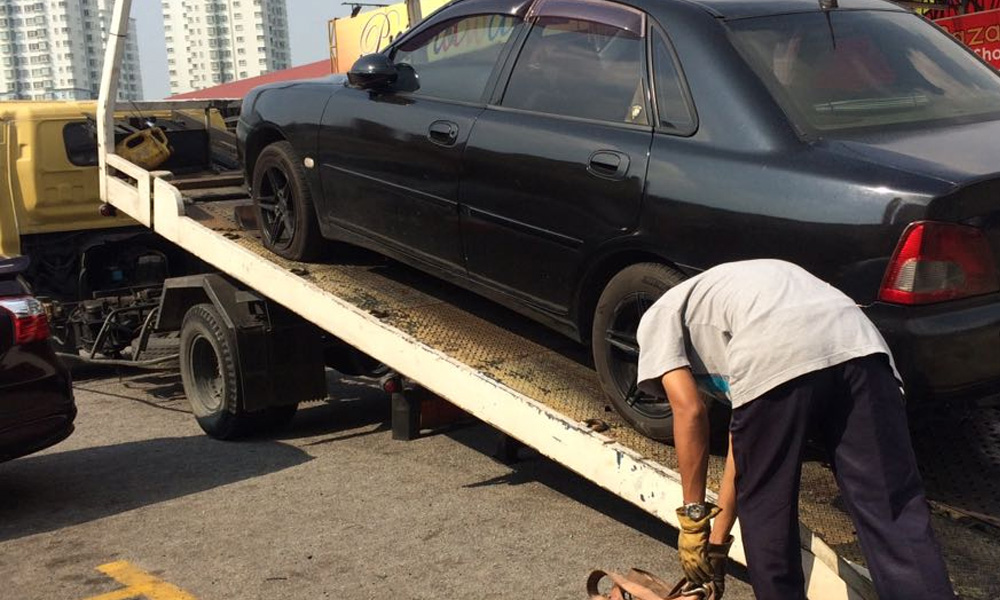
• United Arab Emirates: Repeat offenders face 60-day vehicle confiscation followed by public auction if debts remain unsettled.
In one case in Abu Dhabi, five offenders had their cars sold at auction and were ordered to sweep public streets for three months.
• Austria: Exceed the speed limit by 60km/h in a built-up area, and your car is seized on the spot - for up to two weeks.
Do it again, or exceed 80km/h over the limit, and the car is permanently forfeited and auctioned.
• Finland: Operates a “day fine” system calibrated to the offender’s daily income. A Nokia executive was fined €116,000 (about RM555,000) for driving 75km/h in a 50km/h zone. Equal deterrence across all income brackets.
• United States: Courts issue automatic garnishee orders against salary and bank accounts for unpaid traffic summonses. In San Diego, vehicles seized from repeat illegal street racers are crushed under court forfeiture orders.
Malaysia rewards the wrong people
We do not need foreign data to understand the problem. Malaysia has its own quiet evidence, accumulated over decades: the periodic “kempen diskaun saman” (summons discount campaign).
Discount carnivals on unpaid summonses are a familiar fixture of our traffic enforcement landscape.
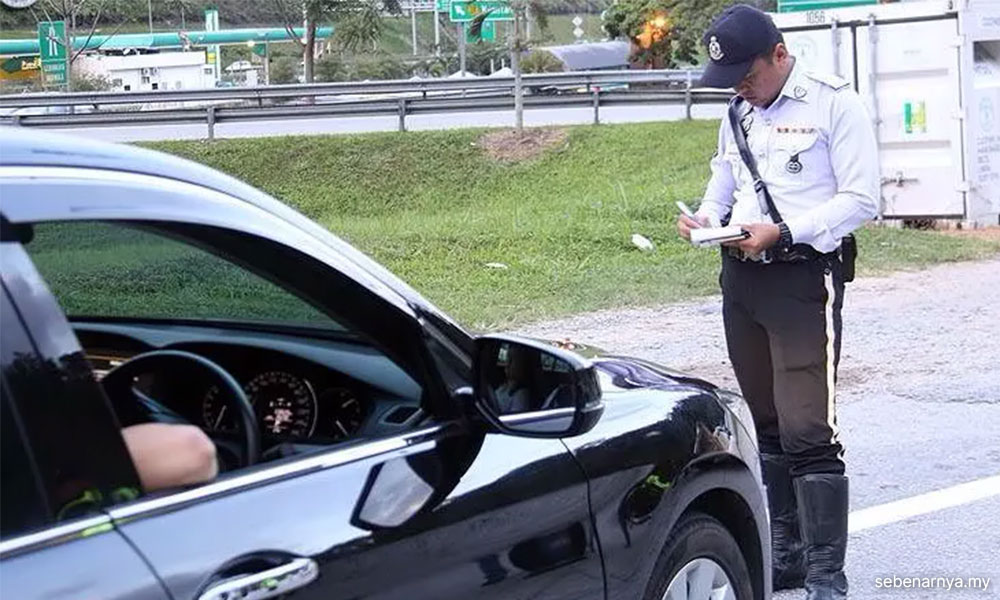
In fact, police conceded that close to RM6.5 billion in unpaid traffic summonses have accumulated in the last 35 years.
Whatever the administrative rationale for these exercises, their real-world message to Malaysian road users has been consistent and damaging: patience is a more profitable strategy than compliance.
By routinely offering discounted flat-rate settlements to clear backlogs, the system has inadvertently rewarded the habitual lawbreaker and penalised the honest citizen who settled their fine on day one.
Malaysia may be the only country in the region that runs a seasonal promotional campaign for traffic lawbreakers - and then expresses surprise that the queue of takers grows longer every year.
Even the demerit points system or Kejara is foreign to men on the streets.
When an enforcement ecosystem shifts its primary objective from changing behaviour to recovering debt, its tools and outcomes degrade accordingly.
The public is entitled to ask: Is enforcement policy focused on removing dangerous drivers from the road or merely on generating revenue?
Consequences that nobody wants to touch
There is a far more dangerous side effect lurking in this RM500 compound proposal that deserves honest attention.
When accumulated summons debt reaches a figure that feels unpayable, chronic offenders do not suddenly become safer drivers - they disappear from the formal system entirely.
They stop renewing licences. They forgo road tax and insurance.
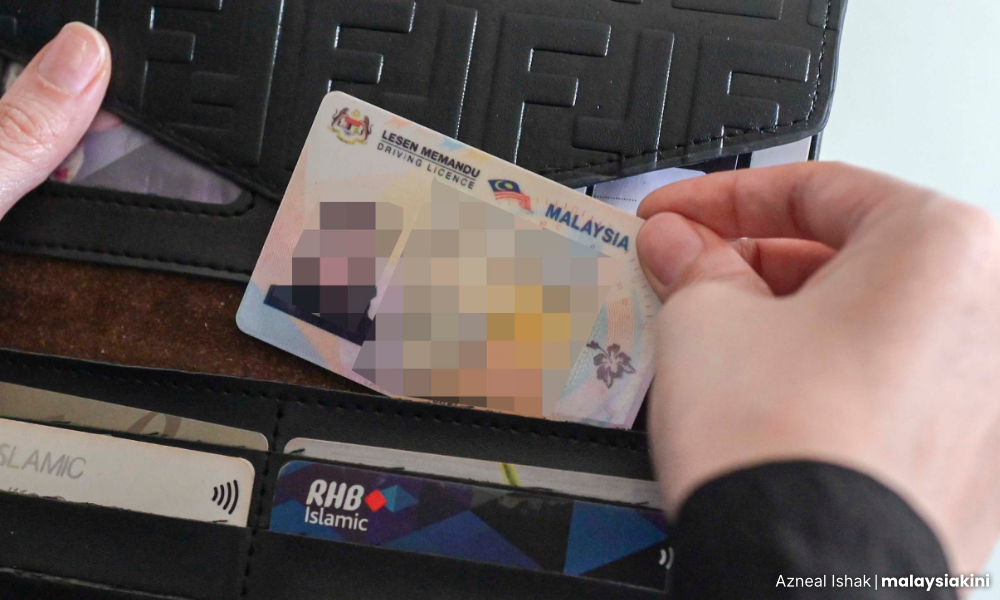
At RM300 per offence with dozens outstanding, they were already operating outside the law. At RM500, the arithmetic changes.
The result is a growing population of “ghost drivers” - unlicensed, uninsured, and officially invisible - sharing the highway with ordinary, law-abiding Malaysians who have no idea what is beside them in the next lane.
You can ignore a paper summons. It is considerably harder to ignore losing your car.
Giving fines teeth
The proposed increase is welcome, but a fine without enforcement infrastructure is just a number.
If Parliament wants the RM500 compound to save lives rather than generate paperwork, these five measures must come with it.
1) Enforcement via ANPR
• Mechanism: Deploy Road Transport Department (RTD) patrol vehicles equipped with Automatic Number Plate Recognition (ANPR) cameras linked to live databases.
Any licence suspension, significant outstanding summonses, or expired road tax and the vehicle is clamped or towed on the spot.
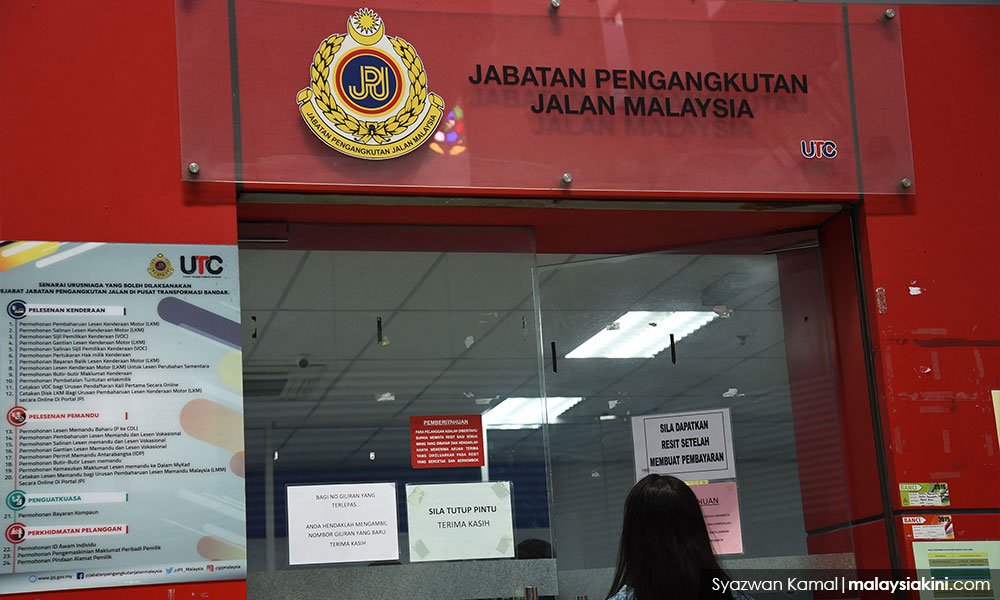
• Objective: Shift enforcement from seasonal roadblock to random exercise.
2) Impound the vehicle, not the driver/rider
• Mechanism: Adopt Queensland-style vehicle forfeiture. Cars driven by unlicensed operators or chronic defaulters are impounded immediately, regardless of whose name is on the registration.
Settle the debts within a certain period, or the vehicle will be auctioned off or disposed of.
• Objective: When parents, employers, and rental agencies face genuine asset loss, the policing of errant lawbreakers shifts from the enforcement agencies to the family and the workplace.
3) Link insurance premiums to driving records
• Mechanism: Integrate RTD’s MySikap database with the General Insurance Association of Malaysia. A driver’s traffic offence history automatically adjusts their insurance premium at every renewal.
• Objective: A driver with 50 unpaid summonses currently enjoys the no-claim discount, the same as a driver with none.

Make reckless behaviour expensive. In most developed countries, motorists fear the insurance consequences far more than the compounds.
4) Automatic garnishee orders
• Mechanism: Grant courts statutory authority to issue automatic salary or bank account deductions for any compound unpaid beyond 60 days - similar to the exercise by the Inland Revenue Board for tax arrears.
• Objective: Traffic compounds are not negotiable suggestions. A fine that can be ignored indefinitely without consequence is not an enforcement tool.
5) Launch the commercial driver information system
• Mechanism: Implement the centralised commercial driver database first proposed by the Land Public Transport Agency in 2017, designed to track the violation histories and licence statuses of heavy-vehicle drivers across all operators nationwide.
• Objective: It is now 2026; a nine-year administrative nap is unacceptable. High-risk commercial drivers continue to move from company to company due to a non-existent centralised vetting system.
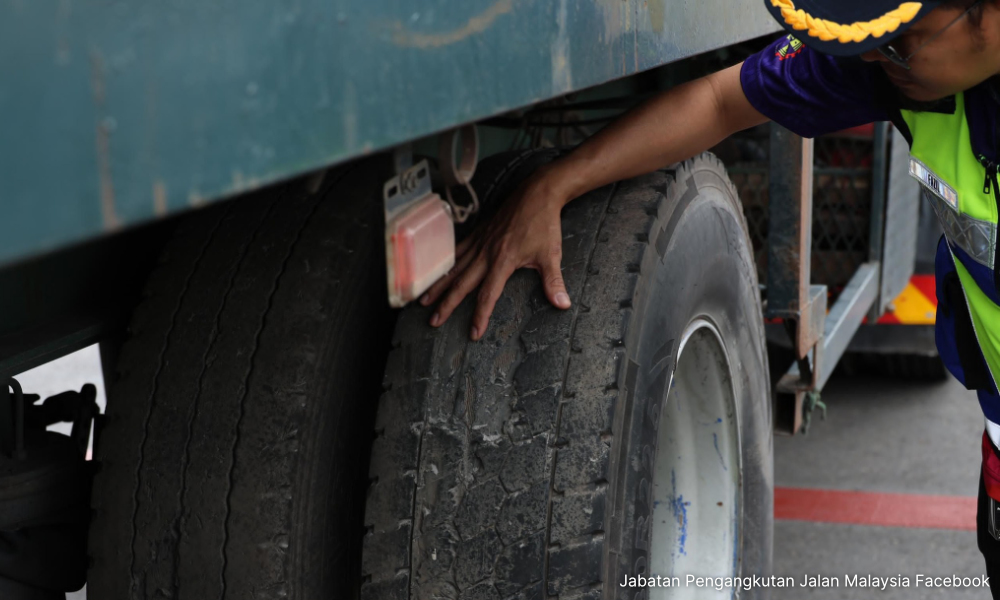
With an open system, the MyJPJ application, and MyDigital ID already in place, organising such a platform is long overdue. Heavy vehicles account for a disproportionate share of Malaysia's most fatal crashes.
Don’t waste the 24-month runway, please
The government’s two-year transition window proposal before the new compound rates take effect must not be treated as a polite grace period.
It must function as a live construction site to build the enforcement architecture as outlined above.
Malaysia’s road safety record does not suffer from a lack of ideas or proposals. It suffers from a lack of political will and a comfortable addiction to a cycle:
Announce tougher fines, deploy the seasonal “operasi”, launch the 70 percent discount campaign, express shock at the high fatality statistics, and repeat.
Road safety is achieved when the law is applied predictably, consistently, and without exception.
Raising the compound without strengthening the certainty of enforcement risks leaving Malaysia with something it already has in dangerous abundance: a taller mountain of unpaid paper. - Mkini
SHAHRIM TAMRIN is a road safety advocate and sustainable transport advocate. He previously served on the Board of Directors of the Malaysian Institute of Road Safety Research (Miros).
The views expressed here are those of the author/contributor and do not necessarily represent the views of MMKtT.

No comments:
Post a Comment
Note: Only a member of this blog may post a comment.