


The electric vehicles federation says new EV buyers should be given proper guidance on home charging, installation and suitable chargers.
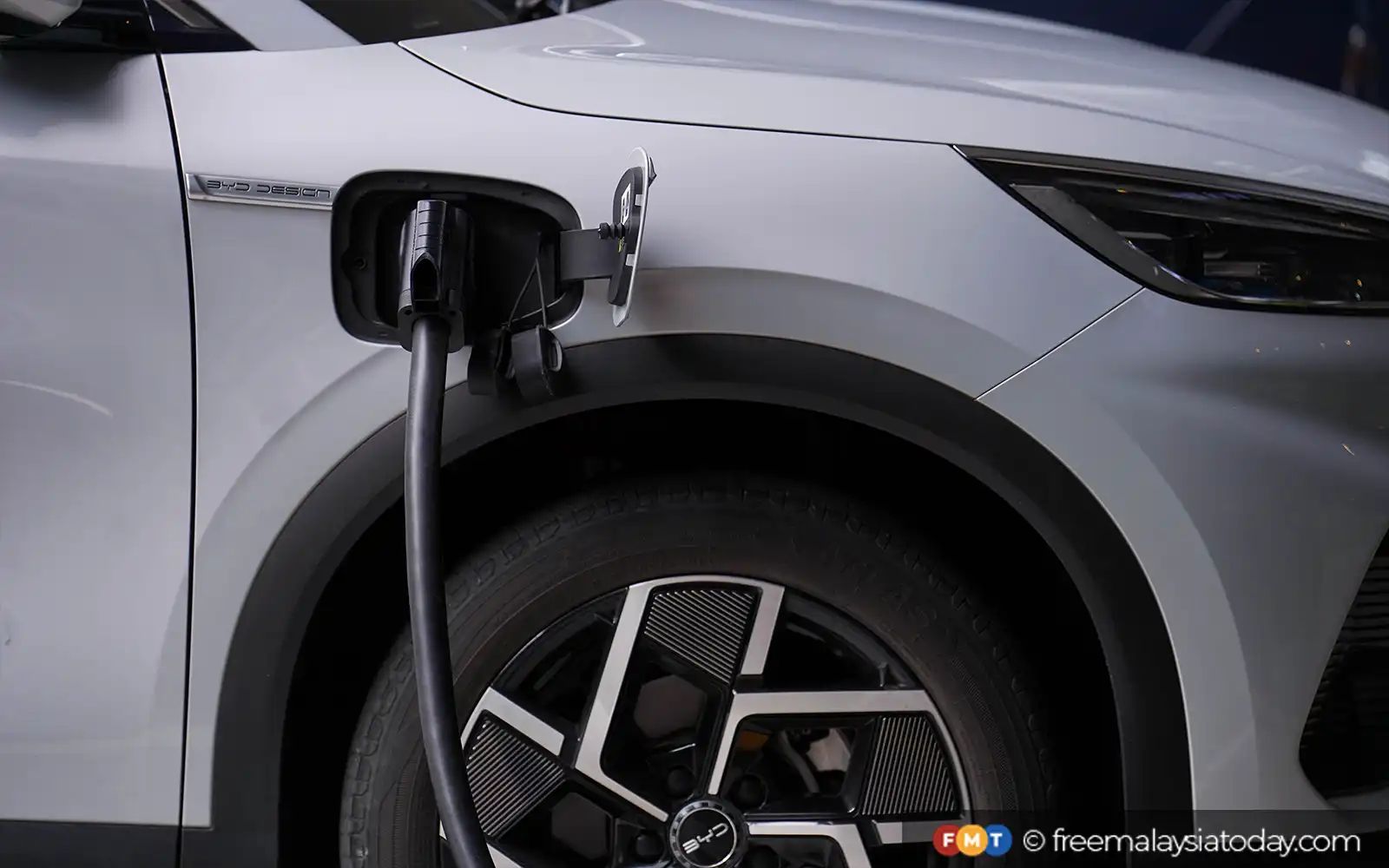
Many buyers received very little information about home charging, said Jason Lee, president of the Federation of Malaysia Electric Vehicle Associations. Some installation packages offered to buyers were considered too expensive, prompting them to hire their own installers, which increased the risk of improper installation or the use of unsuitable chargers.
“This is a problem, as buyers may get the wrong information on installing the charger or end up with the wrong charger,” he told FMT after a double-storey terrace house in Cheras was destroyed in a fire believed to have started while an EV was being charged in front of the house.
Lee said home EV chargers should be installed by competent installers recognised or licensed by the Energy Commission.
He said EV charger installation is similar to the installation of a water heater or air conditioner, which should be installed by qualified technicians, with all required procedures followed.
Lee said a safe setup should include an independent miniature circuit breaker, suitable wiring, an isolator before the charger, and a charger recognised and approved by Sirim. Lee also suggested that EV owners keep a fire extinguisher near the charger as an added precaution.
Lee said overnight charging was safe as long as the charger and electrical system were in good condition, as chargers would automatically stop once the vehicle was fully charged.
Lee said car companies should train their product experts or sales staff to properly brief customers when handing over EVs, particularly to first-time owners.
“For new users who have just bought the EV, they don’t know anything. So you must try to train them and give them the proper information,” he said. “Until today, I think most of the brands never do that.”
EV owners must ask questions, too
For EV owner Adison Tan, home charging has been trouble-free over the past two to three years. He said he was provided a charging cable when he bought his EV but sought further advice on the installation process and the safety measures needed for his home charging setup.
The 50-year-old, whose home has a three-phase electrical supply, said his charging setup included two circuit breakers as well as an isolator switch for his EV charger.
Tan, who works in logistics, said he was also provided general information on home charging when he bought his EV, but acknowledged that buyers should also seek further details themselves.
“Sometimes, you have to ask,” he said, adding that buyers who asked more questions would be better informed, while those who did not might assume the charging adapter was all they needed. - FMT

No comments:
Post a Comment
Note: Only a member of this blog may post a comment.