


LICENSED tourism transport operators are bound by licensing conditions and operate openly in a competitive market. Unlicensed and illegal operators, meanwhile, pose varying degrees of regulatory and safety risks.
Unethical practices can occur among both groups, including operators who hold valid licences but fail to meet their duty of care.
Licensed operators possess the necessary licences, vehicle permits and appropriate insurance. They are required to comply with regulations, observe safety protocols and maintain business transparency. Their operations also contribute to the formal economy.
These safeguards may be absent among unlicensed operators working in the shadow economy. Alarmingly, members of the public continue to use their services, either lured by seemingly attractive offers or out of convenience when making last-minute decisions.
First-time visitors who book their own flights and accommodation, then arrange transport from the airport to their hotels, can be easy targets.
An offer of RM300 for a trip may appear inexpensive to travellers accustomed to dealing with currencies whose denominations run into the hundreds or thousands.
Exchange rates can be confusing, particularly when visitors compare figures without first converting them into a common currency.
As at Nov 2, RM1 was worth approximately 8.28 Thai baht, 15.69 Philippine pesos, 23.37 Indian rupees, 38.79 Japanese yen, 327.76 South Korean won, 4,464 Indonesian rupiah or 6,329 Vietnamese dong.
A seemingly small numerical difference should not be mistaken for a bargain. Visitors should always confirm the fare in ringgit before accepting a service.
Unlicensed vehicles are commonly used by operators who carry fare-paying passengers without the required permits. However, licensed operators may also use such vehicles knowingly when they run short of their own permitted fleet, or unknowingly when they fail to conduct proper due diligence on subcontractors.
The private vehicles involved may include passenger vans, multi-purpose vehicles and saloon cars. They are used for airport transfers, sightseeing tours and overland trips, including journeys to Genting Highlands.
Drivers who fear being caught by enforcement officers may rush between destinations, potentially compromising passenger safety.
There is also an important insurance concern. Private motor insurance is not automatically suitable for carrying fare-paying passengers.
A vehicle used for commercial passenger transport needs the appropriate cover, including protection for passenger liability where required. If an accident occurs, passengers may face difficulties obtaining compensation if the vehicle is operating outside the terms of its insurance policy.
This is one reason licensed transport services, with the required permits and insurance arrangements, matter.
Unlicensed and illegal operations are not the only concern. Unethical conduct can also arise among licensed operators that neglect their duty of care.
Ethical and responsible operators engage competent and fit drivers, maintain their vehicles properly, ensure drivers receive adequate rest, and insist on safe driving practices. Drivers should not use their phones while driving or exceed speed limits.
Unlicensed tourism vehicles can be found at international and domestic airports, as well as hotels and popular sightseeing and shopping destinations. Without consistent enforcement, these operators may continue to work openly, much like buses that flout speed limits on our highways.
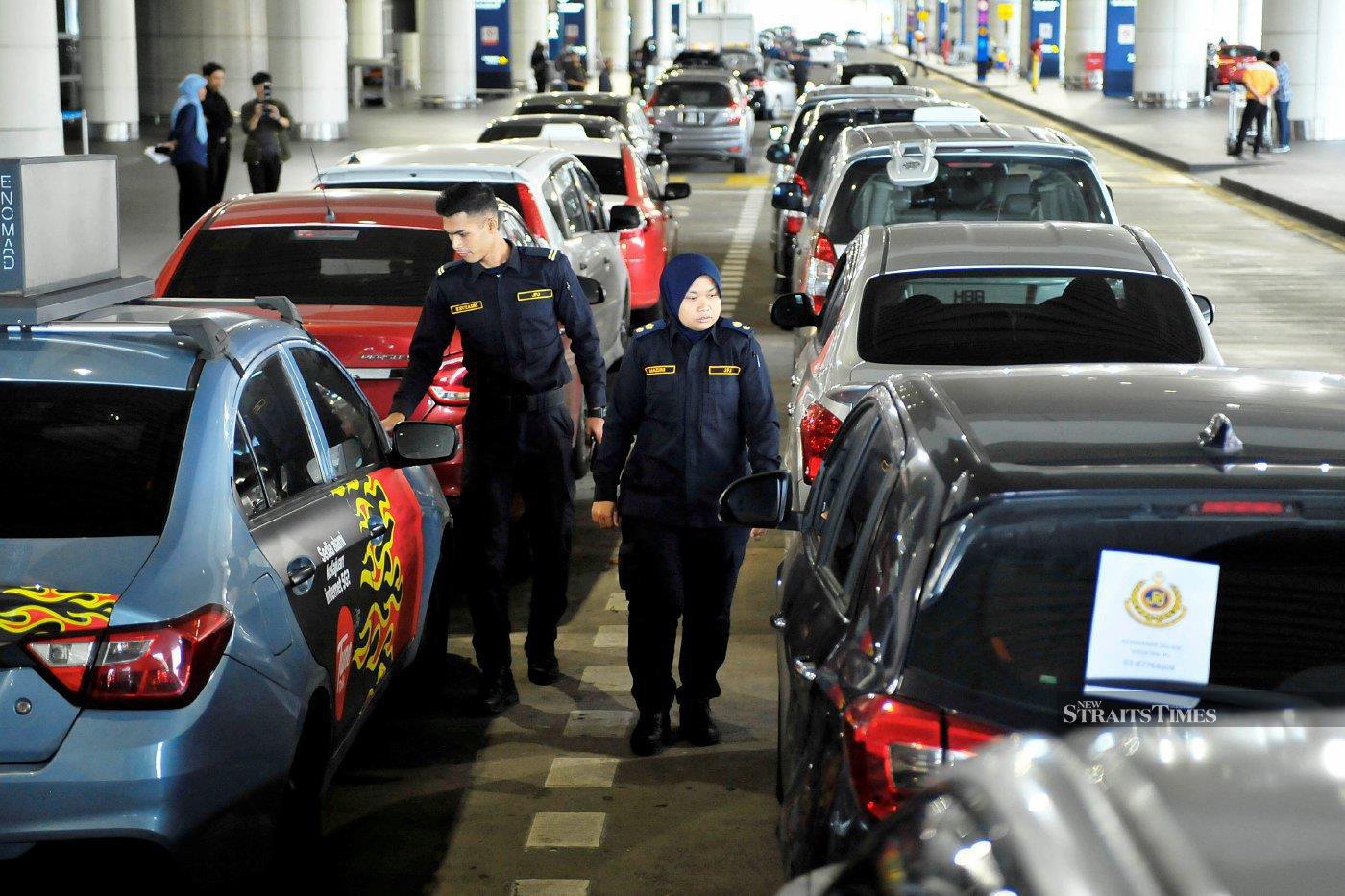
Kudos to the Road Transport Department (JPJ) for conducting enforcement operations at Penang International Airport.
From Jan 1 to Oct 24 this year, JPJ Penang inspected 1,056 vehicles suspected of carrying passengers without valid permits. Enforcement action was taken against 496 vehicles, with 519 notices issued.
These figures point to the scale of the problem, although they should not be taken as a nationwide estimate.
The number of passengers using unlicensed transport services nationwide is difficult to establish without comprehensive data. Nevertheless, the risks extend beyond individual journeys. Passengers may face unsafe vehicles, inadequately insured operators, unexpected charges and limited avenues for redress.
Licensed operators contribute positively to Malaysia’s tourism industry and help uphold the country’s reputation.
In contrast, illegal and unethical practices undermine public confidence when visitors complain of being overcharged, misled or left without fair compensation after an incident.
Effective enforcement, public awareness and greater accountability across the industry are essential.
Visitors should check that their transport provider is properly licensed and that the vehicle has the required permit. A cheap ride is no bargain if it puts passengers at risk.
YS Chan is a tourism, transport and training consultant.
The views expressed are solely of the author and do not necessarily reflect those of MMKtT
- Focus Malaysia.

No comments:
Post a Comment
Note: Only a member of this blog may post a comment.