


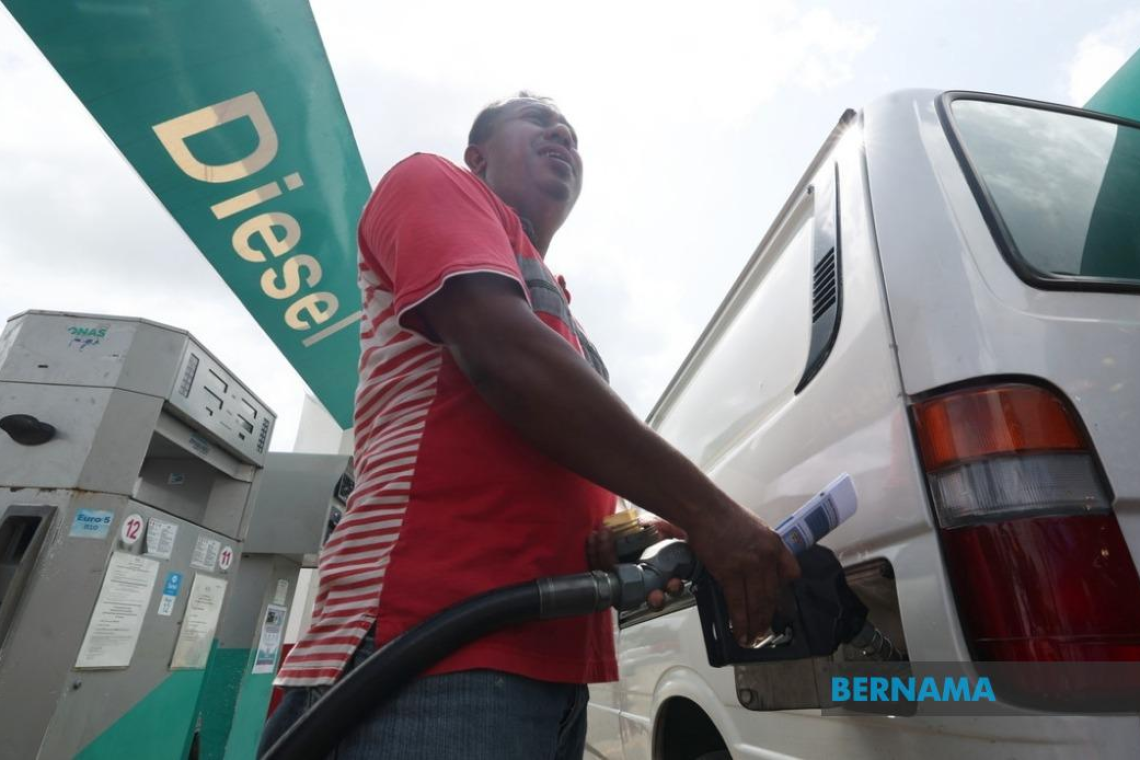
SUBSTANTIAL reductions in diesel subsidy quotas for commercial vehicles could increase operating costs for haulage operators and eventually lead to higher prices for consumers, said an MCA leader.
According to MCA Economic and SMEs Affairs Committee chairman Datuk Lawrence Low, industry players have reported diesel subsidy quota reductions of between 30% and 70% for various freight vehicles, with some long-haul lorries seeing their monthly allocations cut from 5,999 litres to 1,800 litres.
“For operators transporting goods across the country daily, such reductions represent a significant increase in operating costs,” he remarked.
While acknowledging the government’s efforts to curb the misuse of subsidised diesel, the MCA vice president also said enforcement measures should be targeted at offenders rather than applied broadly across the transport industry.
“The government has a responsibility to close loopholes and prevent abuse of subsidised diesel. However, legitimate operators should not be penalised because of the actions of a minority,” he emphasised.
Low noted that some smaller commercial vehicles had previously received subsidy allocations that exceeded their actual fuel consumption, creating opportunities for surplus diesel to be resold.
However, he argued that stronger monitoring, electronic tracking systems, mileage audits and targeted enforcement would be more effective than significantly reducing subsidy quotas for the entire industry.
He warned that increased fuel costs could eventually be passed on to consumers through higher freight charges.
“Lorries are an essential component of the economy. Almost every product, from food and agricultural produce to construction materials and household goods, depends on road transport,” he remarked.
According to Low, transportation costs form part of the overall cost structure of most goods, meaning any increase in freight charges would place additional pressure on manufacturers, wholesalers and retailers.
“When operators can no longer absorb higher fuel costs, freight rates will inevitably increase. Those additional costs will eventually be reflected in the prices paid by consumers,” he said.
Low said consumers may not immediately feel the effects of the subsidy adjustments, but warned that rising transportation costs could contribute to higher prices for groceries, fresh produce, building materials and other everyday necessities in the months ahead.
He added that some transport operators had already indicated that they may need to review their freight rate structures following the reduction in subsidy allocations.
“When implementing subsidy reforms, the government must not focus solely on fiscal savings. It must also consider the broader impact on the logistics sector and the cost of living,” he continued.
Low went on to call on the government to engage transport associations, logistics operators and industry stakeholders to assess the impact of the subsidy adjustments and explore measures to mitigate rising freight costs.
“The logistics sector is a critical pillar of the nation’s supply chain. Any policy changes affecting its operating costs should be carefully evaluated to avoid placing additional financial burdens on ordinary Malaysians,” he said. ‒ Focus Malaysia

No comments:
Post a Comment
Note: Only a member of this blog may post a comment.