


MMA responds to a social media post which claimed that an influx of foreigners at government healthcare facilities is affecting service quality and doctors’ welfare.
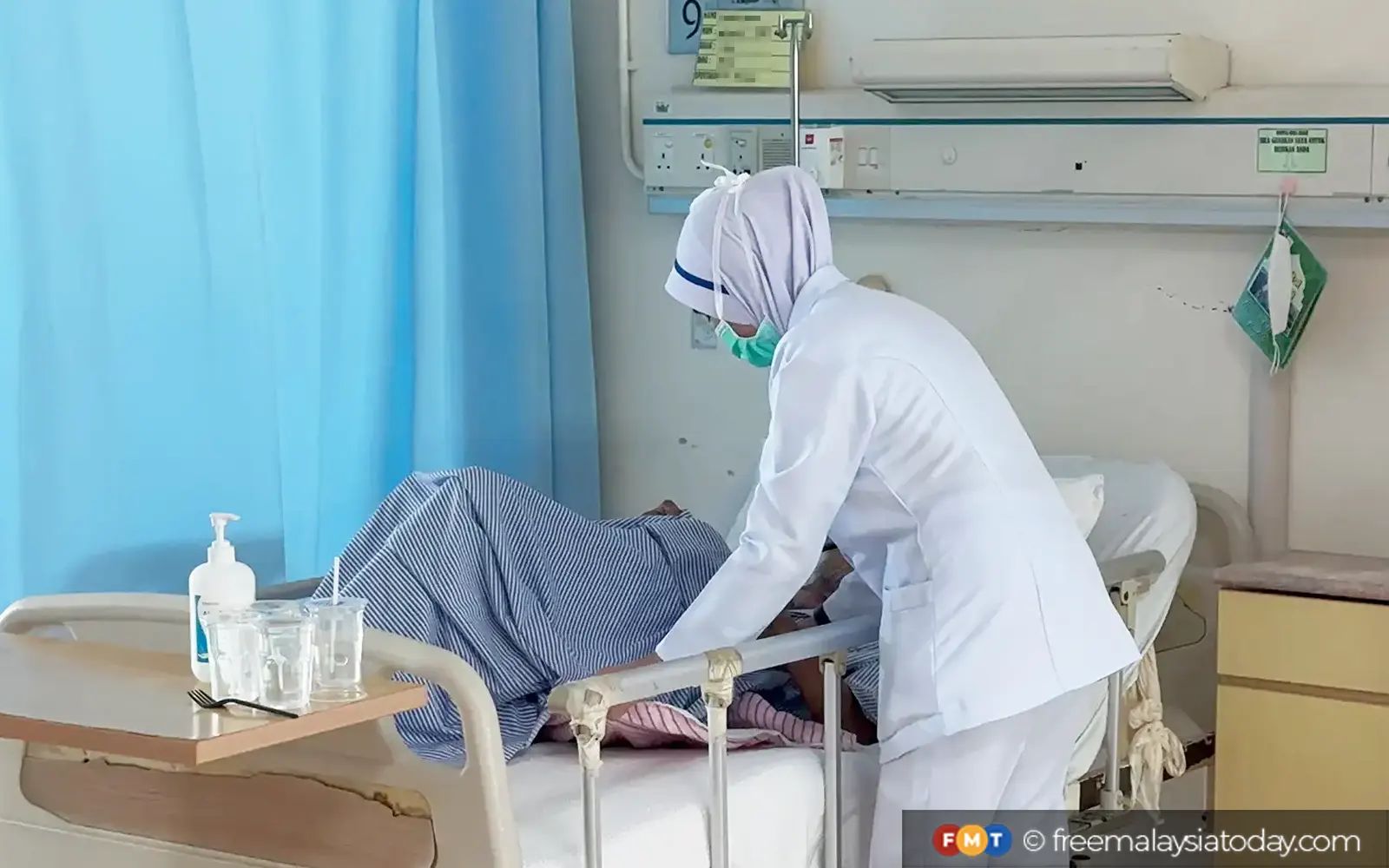
MMA president Dr R Thirunavukarasu said public hospitals are now operating at maximum capacity amid a shortage of nearly 11,000 medical specialists and an estimated 18% vacancy rate for nurses.
He added that doctors have also frequently raised concerns about overcrowding and manpower shortages.

“Any additional burden will be felt in such a highly pressured environment. The root cause is years of under-investment in the workforce, and it has nothing to do with any specific group of patients.
“If the number of foreign patients in public hospitals is increasing, why are non-emergency cases not being directed to private facilities?” he told FMT.
He was commenting on a recent social media post on Threads, which had claimed that an influx of foreigners in government healthcare facilities had affected service quality and doctors’ welfare.
In the post, a netizen alleged that most cases handled during a 24-hour shift involved foreign patients, with only one or two Malaysian patients, while the rest were referred to as “R citizens”.
Thirunavukarasu said the health ministry should channel non-emergency cases involving foreign patients to the private sector to ensure that subsidised public healthcare is reserved for Malaysians.
However, he noted that the finance ministry’s decision to impose a 6% sales and service tax on private healthcare services for non-citizens runs contrary to this objective.
“This pushes foreign patients back into the public hospital system. This is a contradiction that should be reviewed,” he said.
Clearer criteria for subspecialty training needed
In a separate statement, Thirunavukarasu called for clearer, more transparent and standardised eligibility criteria for subspecialty training, warning that inconsistencies in workforce policies are discouraging doctors from advancing into critical specialist fields.
He said uncertainty over requirements – particularly relating to the annual performance appraisal report (LNPT) – has created confusion among specialists seeking entry into subspecialty programmes, which are essential to addressing Malaysia’s shortage of doctors in fields such as cardiology, oncology and neonatology.
He said recent changes to LNPT requirements for the 2026/2027 intake, including a shift from the best three appraisals over five years to three consecutive years, highlighted the need for proper communication and advance notice before policy adjustments are implemented.
Thirunavukarasu also urged the health ministry, public services department (JPA), and the higher education ministry to align their respective roles, noting that while subspecialty training is administered by the health ministry, eligibility rules are tied to JPA – creating administrative gaps that affect career progression.
He further highlighted concerns over doctors undergoing recognised Masters training, saying their service during training years is sometimes recorded as study leave, resulting in gaps in performance records that could unfairly affect their eligibility for subspecialty programmes.
He said such inconsistencies risk delaying doctors’ progression into subspecialist roles, which in turn affects patient care in public hospitals already facing long waiting times and manpower shortages.
Thirunavukarasu also called for unsuccessful applicants to be given written reasons and access to a proper appeal mechanism, instead of just being informed that they were “not successful”.
He said among MMA’s other key recommendations are clearer written guidelines on eligibility criteria, recognition of service during training periods, standardised requirements across training pathways, and a more stable, competency-based selection system.
“The system must support, not hinder, the development of future subspecialists,” Thirunavukarasu said, adding that Malaysia’s healthcare system needs stability and predictability in workforce planning to retain talent and strengthen specialist care. - FMT

No comments:
Post a Comment
Note: Only a member of this blog may post a comment.