


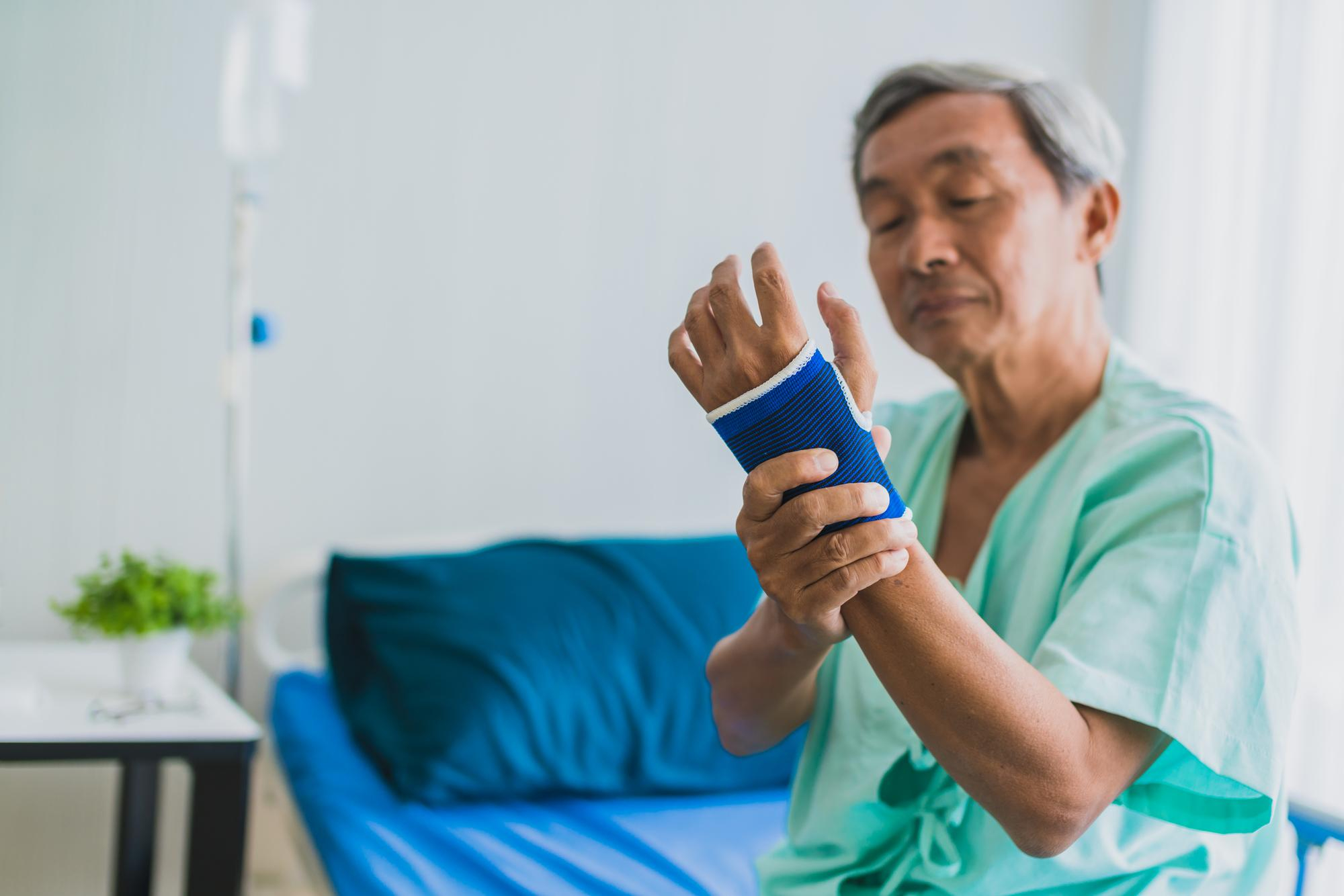
A SIMPLE stretch. A slight stumble. And suddenly, a bone fracture. Often called the “silent disease”, osteoporosis quietly weakens the bones over time, showing no signs until a break occurs, often from seemingly harmless fall.
Sunway Medical Centre consultant geriatrician Dr Edward Chong Kah Chun noted that osteoporosis does not cause pain nor does it have any visible warning signs until it is too late.
“Most people are diagnosed only after they’ve had a fragility fracture, a break caused by a minor fall or impact that wouldn’t normally injure healthy bone. By that time, the disease has already done its damage,” he explained.
When a minor fall becomes a big problem

According to Dr Chong, the most common osteoporosis-related or “fragility” fractures occur in the hip, spine, and wrist, each with serious consequences.
“Hip fractures are the most severe because they often lead to prolonged immobility. Globally, one in four patients may not survive the first year after a hip fracture due to complications,” he said.
Spinal fractures, on the other hand, can cause persistent back pain and nerve irritation, sometimes even from something as minor as sitting down too quickly.
Meanwhile, wrist fractures, while less life-threatening, can make daily tasks such as walking, dressing, or bathing difficult, especially if the dominant hand is affected.
Beyond physical pain, osteoporosis can also take an emotional toll. “Many patients develop what we call the ‘fear of falling’. They lose confidence in walking or leaving the house, which leads to muscle weakness and isolation. It becomes a vicious cycle: The less they move, the weaker they get,” Dr Chong pointed out.
Why Malaysians are at risk
Osteoporosis is on the rise in Malaysia, driven by diet and lifestyle changes.
“Our local diet is rich and delicious, but not always balanced. Many people don’t consume enough calcium-rich foods like milk, cheese, yogurt, tofu, or green leafy vegetables. Vitamin D deficiency is also common because we avoid the sun despite Malaysia’s tropical climate,” Dr Chong remarked.
Limited sun exposure means less vitamin D, which is vital for calcium absorption. Although foods like salmon, tuna, anchovies, and mushrooms can help, daily morning sunlight remains the best natural source.
Women face a higher risk after menopause as oestrogen levels drop. However, Dr Chong warned that men too can develop osteoporosis, especially if they have poor diets, smoke, or take certain medications for long periods.
When and how to screen for osteoporosis
According to Dr Chong, anyone who has suffered a low-trauma fracture such as fall from standing height should be screened immediately. Screening is also advised for women above 50 and men above 70, even if they appear healthy.
The standard test is a DEXA (dual-energy x-ray absorptiometry) scan, which is a simple, non-invasive test that measures bone mineral density.
“You can get it at most hospitals and some specialist clinics. We encourage early assessment because it allows us to act before a serious fracture happens, improving patient safety, quality of care, and long-term recovery,” he said.
Stronger bones start with daily choices

Treatment for osteoporosis usually combines lifestyle adjustments with medication.
“Nutrition is the foundation. We encourage patients to consume around 1,000 mg of calcium and 800 IU of vitamin D daily. If diet alone isn’t enough, supplements may be prescribed,” Dr Chong advised.
Equally important is regular physical activity, with regular weight-bearing exercises, walking, jogging, or light resistance exercises all crucial to stimulate bone growth. Similarly, tai chi is also a good option as it helps improve balance and prevent falls.
For patients with severe bone loss, oral medications are commonly used to strengthen bones. Injectable or infusion treatments are available for more advanced cases and can be administered monthly or yearly depending on the patient’s condition.
“These therapies are highly effective when combined with proper follow-up and lifestyle care,” Dr Chong said.
How families can help
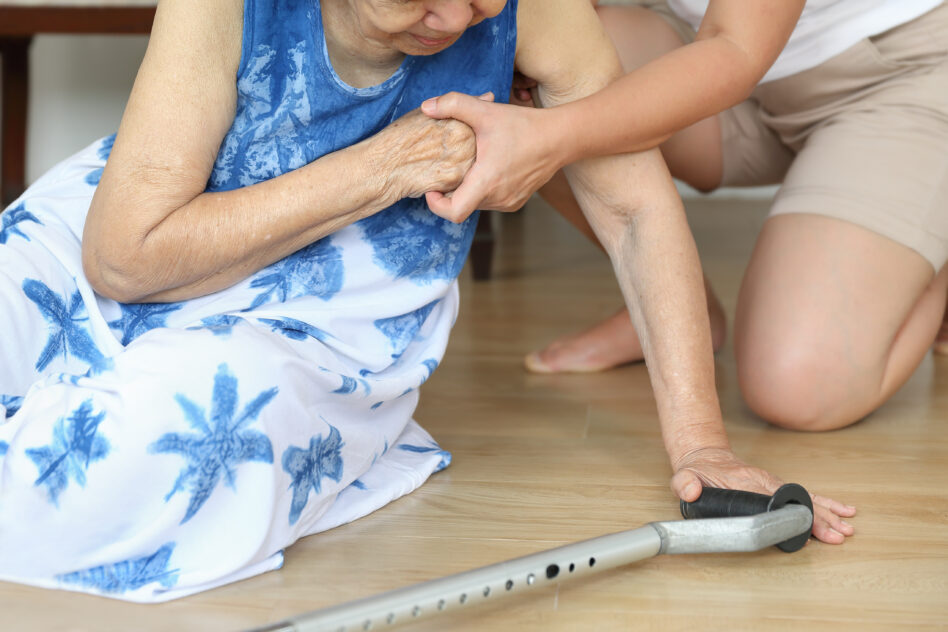
Dr Chong said prevention also starts at home, adding that family members play a vital role for patient’s safety. Simple changes like removing loose rugs, improving lighting, and installing grab bars in bathrooms can make a big difference.
He also encouraged families to keep loved ones active. “Don’t stop them from moving because you’re afraid they will fall. Instead, join them to support for a short walk, help prepare nutritious meals, and accompany them to medical appointments. It’s about empowering, not restricting.”
Of course, public awareness is key to change, with Dr Chong stressing that osteoporosis prevention starts young with good nutrition, sunlight, and movement. Strong bones, he added, are built over a lifetime.
Community initiatives such as group exercise sessions, walking clubs, or nutritional workshops can go a long way.
Iit’s never too early to start taking care of your bones. As we age, maintaining independence and mobility is everything. Strong bones are the foundation for that. Don’t wait for a fall to remind you how precious they are,” he stated. ‒ Focus Malaysia

No comments:
Post a Comment
Note: Only a member of this blog may post a comment.