

Excessive device use disrupts children’s rest, affecting their behaviour, focus and long-term development.
From Dr Clarence Kavetha S S Daniel
It begins innocently. A tablet to occupy a toddler during meals. A phone to calm a meltdown. Before bed, a “quick” YouTube video that somehow stretches into an hour.
In the clinic, the pattern is becoming harder to ignore. Children who are agitated, struggling in school, and unable to focus are often experiencing chronic sleep deprivation linked to excessive screen use – something parents tend to overlook.
Once, an eight-year-old boy was brought in for “behavioural issues”. He was falling behind academically, and was frequently emotional and restless in class.
His parents worried he might have attention deficit hyperactivity disorder (ADHD). But as we spoke, a different picture emerged.
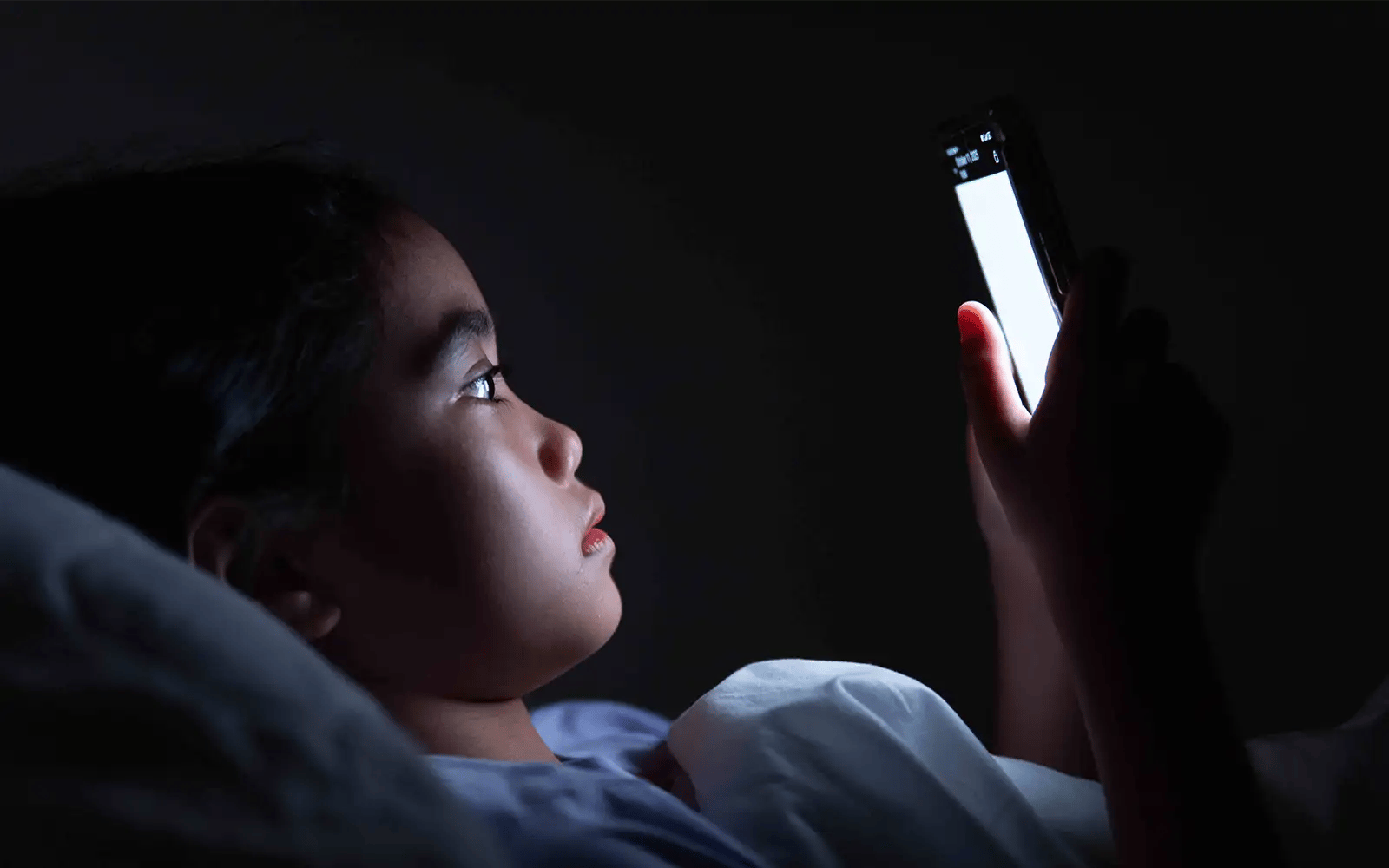
Most nights, he went to bed at midnight – not because he couldn’t sleep, but because he was on a device.
Children are not “small adults”. Their brains are still developing, and sleep plays a vital role in memory, emotional regulation, growth and attention.
Yet many children today are running on a sleep deficit. A Selangor study found that more than 90% of those under age five exceed recommended screentime limits, with an average of about three hours daily.
This should give us pause, because excessive screen time is not just about what children are watching – it is about what they are losing.
Screens disrupt sleep in two key ways: they delay bedtime, as children push for “just one more video” – and they affect sleep quality.
Blue light suppresses melatonin, the hormone that signals the body to sleep. Consequently, the rest they get is lighter and less restorative.
Unlike adults, children do not always appear sleepy. Instead, sleep deprivation often shows up as irritability, mood swings, poor concentration, hyperactivity, declining academic performance, and even recurring headaches or abdominal pain.
In some cases, it can mimic conditions like ADHD, leading to mislabelling rather than addressing the root cause.
The issue is only worsening in Malaysia. Busy households, dual-working parents and increasing academic demands often lead to irregular routines, with devices becoming the easiest solution.
Health ministry and World Health Organization guidelines recommend no screen use for children under two, and strict limits for preschoolers. In reality, many children exceed these limits.
Research shows that screen exposure can begin even in infancy, with handheld devices now playing a major role alongside television.
This is not about eliminating screens. They are part of modern life – educational, engaging, and sometimes necessary.
The goal is to set boundaries. Simple steps can help: no screens at least one hour before bedtime, keep devices out of bedrooms at night, and maintain consistent sleep and wake times.
Crucially, parents must model healthy habits. After all, children do not follow instructions – they follow patterns.
When a child struggles with focus, behaviour or mood, our first instinct is often to look for a diagnosis. Often, the answer is simpler.
Often, it is sleep. - FMT
Dr Clarence Kavetha S S Daniel is a paediatrician and lecturer at International Medical University Clinical School.
The views expressed are those of the writer and do not necessarily reflect those of MMKtT.

No comments:
Post a Comment
Note: Only a member of this blog may post a comment.