


The Galen Centre for Health and Social Policy has voiced objections to the proposed RM3.06 billion reduction to the Health Ministry’s budget as part of Putrajaya’s strategy to conserve government funds amid the West Asia conflict.
In a statement today, the independent organisation warned that such a “major cut” could directly undermine Malaysia’s public healthcare system while placing patients, healthcare workers, and essential services at “serious risk”.
It also urged Putrajaya to reverse the proposal, highlighting that the public healthcare system is one of the nation’s most important social protections.
Galen Centre chief executive Azrul Khalib cautioned that the cost of the cut will be borne by stakeholders, who will be forced to bear wide-ranging consequences of the suggested cut as the nation’s public healthcare system is “already operating under severe pressure”.
Besides rising patient loads and increasing non-communicable diseases, he also referenced ageing infrastructure, staff shortages, as well as growing demand for complex and long-term care as issues the nation’s healthcare industry is facing.
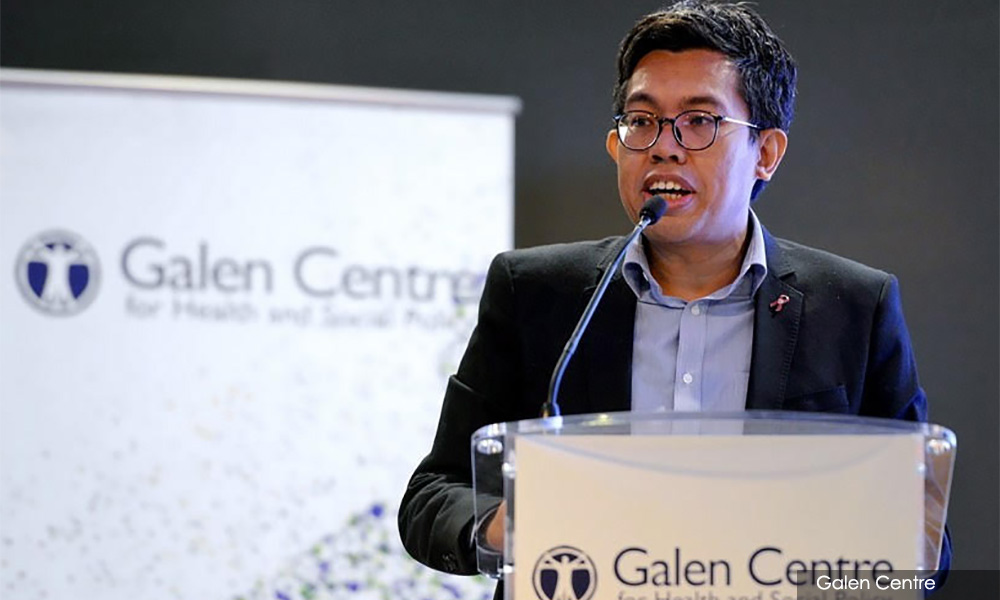
“The cost of this cut will be paid in delayed procedures, longer waiting lists, medicine shortages, deteriorating facilities, exhausted healthcare workers, avoidable complications, and preventable deaths,” he said.
“It will affect low-income households, older persons, people with chronic diseases, children, and those living outside major urban centres, (with) more than 70 percent of Malaysians depending on the public healthcare system for their medical needs.
“If this is the cost of continuing to subsidise cheap petrol, then it is not worth it,” he affirmed.
He asserted that the move “does not make fiscal sense”, stressing that cutting health spending “does not make diseases disappear” as it instead shifts the burden onto patients, families, employers, hospitals, and future budgets.
Besides potentially erasing any gains made towards improving healthcare in Malaysia, Azrul argued that the move could also increase morbidity and mortality while weakening national resilience.
“The Health Ministry should not be treated as a convenient place to find savings. Health is a core public investment. It protects lives, productivity, economic stability, and social trust,” he emphasised.
Expenditure cuts proposal
Earlier today, it was reported that the Finance Ministry has proposed RM5.4 billion worth of cuts in operational expenditures for the Health Ministry and the Higher Education Ministry.
Citing a directive issued by the Treasury today, Free Malaysia Today reported that the move could potentially save RM10 billion across the board, including RM3.06 billion from the Health Ministry and RM2.39 billion from the Higher Education Ministry.
A total of RM46.5 billion was allocated to the Health Ministry under this year’s budget, while the Higher Education Ministry received RM18.6 billion.
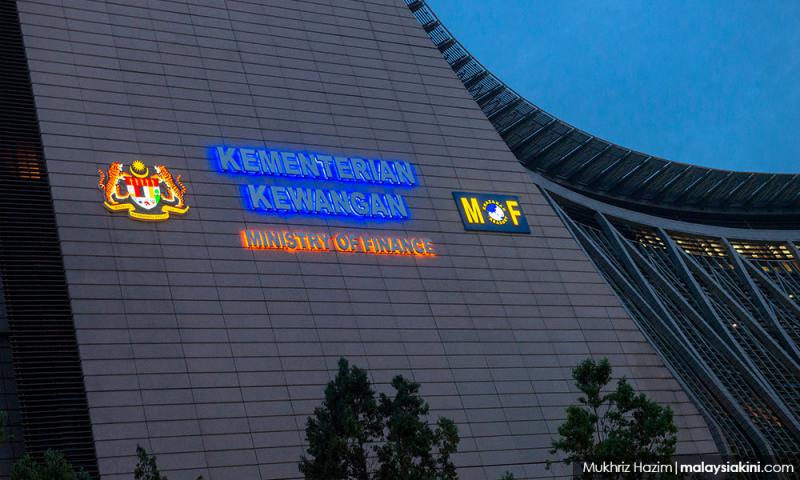
The directive is also said to have proposed cuts to the Home Ministry (RM647 million), the Defence Ministry (RM508 million), the Rural and Regional Development Ministry (RM571 million), the Education Ministry (RM466 million), and the Digital Ministry (RM508 million).
Reuters quoted Treasury secretary-general Johan Mahmood Merican as saying in the internal document that the government’s public subsidy bill was expected to reach RM58.4 billion this year, far surpassing the RM15 billion originally allocated under Budget 2026.
He added that all ministries, departments and agencies have until May 15 to review their operational expenditures for the year and submit proposals on spending cuts.
In a statement responding to the reports, the Finance Ministry confirmed that guidelines have been issued to ministries and agencies to reprioritise operating expenditure, in line with global supply-chain challenges and rising subsidy obligations.
The move, it added, is part of a prudent fiscal management approach to optimise government resources and maintain continuous support for the rakyat.
The Finance Ministry also assured that expenditure adjustments will be made without affecting critical services to the people and economic stability. - Mkini

No comments:
Post a Comment
Note: Only a member of this blog may post a comment.