


The real challenge facing Pakatan Harapan going into the 16th general election is not what is being said openly.
It is what is no longer being said - the growing possibility that many Chinese and Indian voters may simply not come out to vote.
Among these voters, something is shifting. They once gave Harapan strong support because they believed things would be different. Today, more are asking what has actually changed.
This is not something openly expressed. But it is there.
To be clear, most are not turning to Perikatan Nasional. They still see the opposition as weak and directionless, but that does not mean they will continue supporting Harapan.
When expectations are not met, people do not always move elsewhere. Sometimes they just step back.
It is already happening
That is where the real danger lies. We have already seen early signs of this.
Look at Sabah. DAP lost all its seats, PKR managed only one, and that too through a recycled candidate.
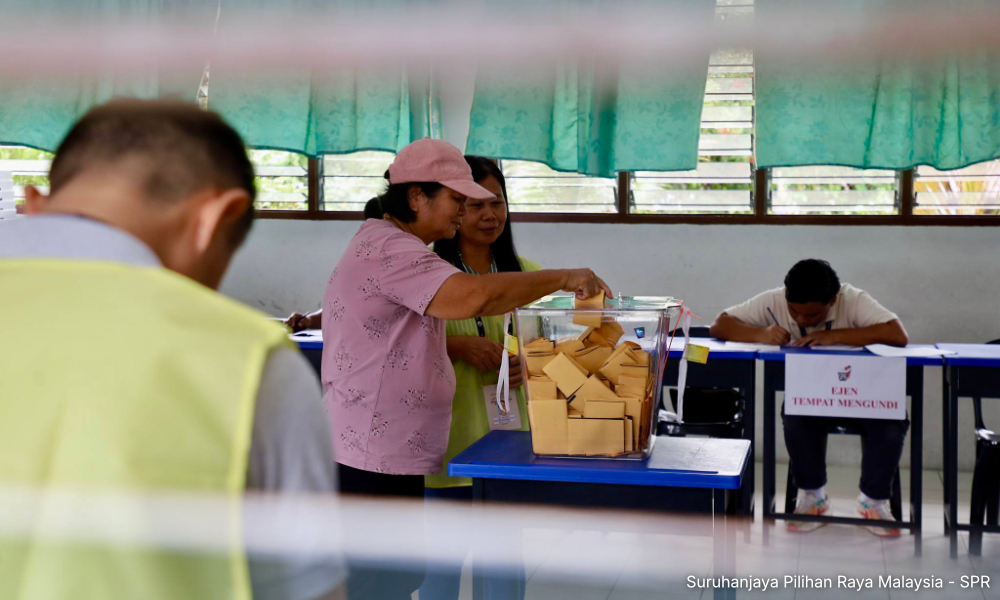
There was no major backlash, no visible wave; just a quiet result. That is what makes it dangerous.
When voters stop reacting openly and start deciding quietly, the signal becomes harder to read, but the impact is much bigger.
Harapan must also be careful not to rely too heavily on government data alone. There is always a tendency to depend on numbers and reports that suggest things are under control.
Civil servants present what is available, but not all of them reflect the real situation on the ground. Some simply tell the government what it wants to hear.
This was one of the blind spots during former prime minister Najib Abdul Razak’s time. Everything appeared stable, support seemed intact, yet the ground was shifting.
That mistake should not be repeated.
Increased political awareness
People today have experienced every government. BN, Harapan, PN, and now the unity government.
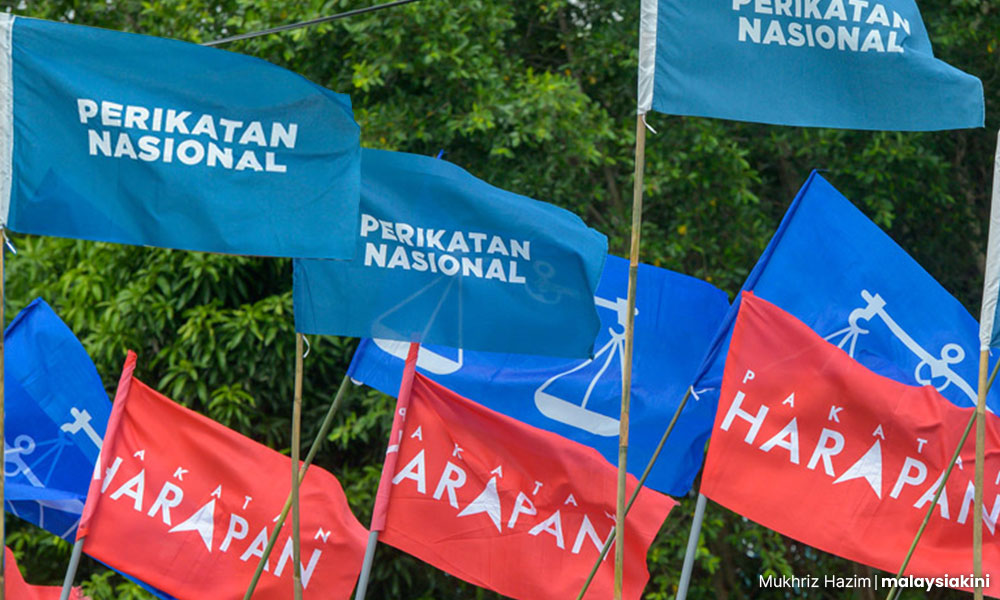
They are no longer easily convinced. They compare results. They remember what was promised. And in today’s environment, nothing disappears.
Old videos resurface. Past speeches return. What was said before is now used to question what is being done today.
Harapan must understand this.
There is also growing unease about its closeness with BN. People understand the political arrangement, but that does not remove the question.
Not long ago, Harapan stood firmly against BN. Today, they are working together.
This becomes more obvious at the state level. With the Malacca election approaching, statements from some Harapan leaders appear increasingly open to working with BN.
Developments in Negeri Sembilan have also reinforced that concern. When BN assembly members can withdraw support from a Harapan-led government, it shows how fragile the arrangement is.
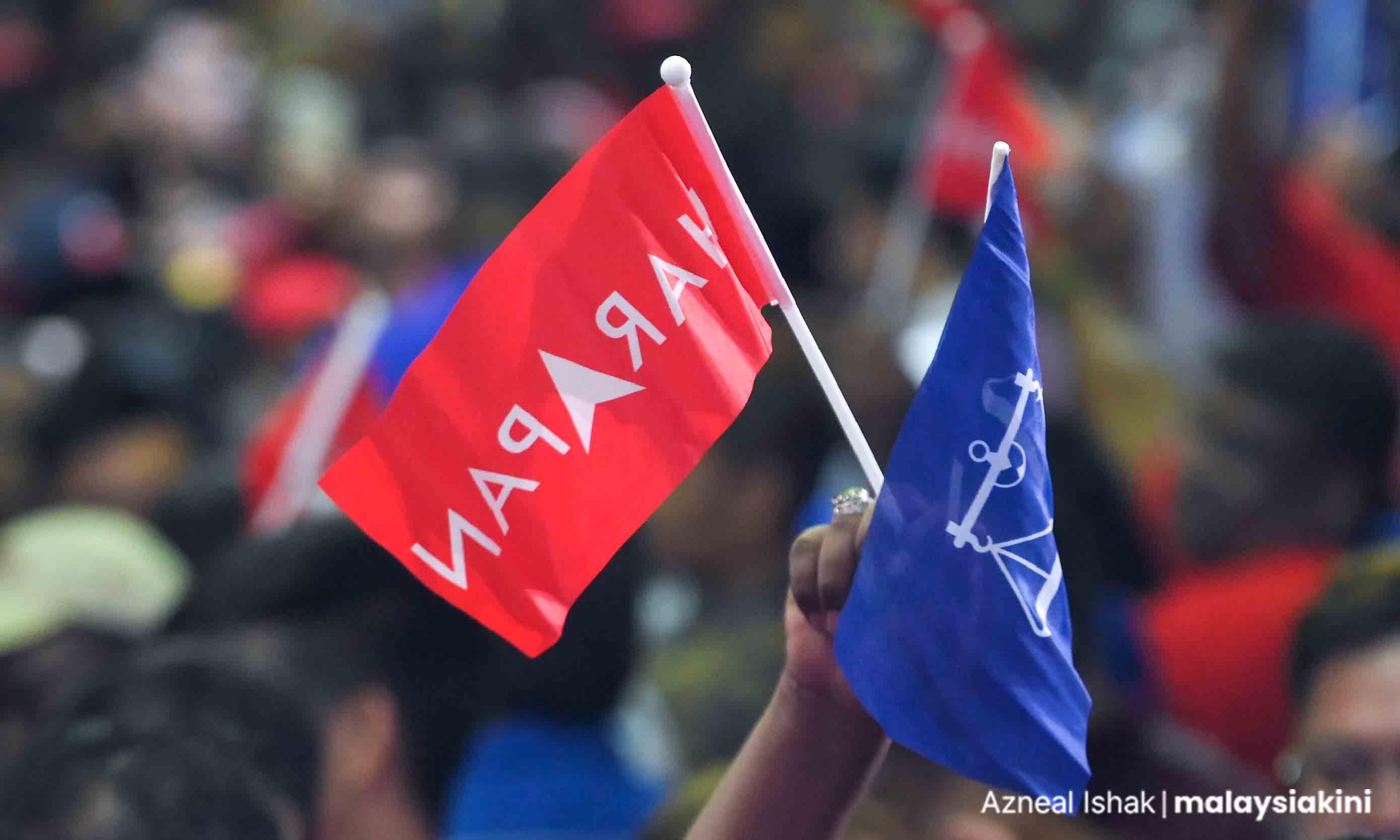
In trying to maintain stability, Harapan may have also strengthened BN’s position.
If Harapan is seen as depending too much on BN, some begin to ask what the difference really is.
If the direction now looks similar, some will question whether it is better to just choose BN directly. Others may not make that choice at all.
Sentiments on the ground
At the same time, people are starting to say something else. Some are beginning to say that life felt easier during the Najib era.
This is not about ignoring corruption. It is about how people experienced their daily lives.
They remember visible development, things they can actually see. Merdeka 118, TRX, KL Metropolis. Fair or not, many still associate these with Najib’s time.
At the same time, they look at what is happening now. The 1Malaysia People's Aid (BR1M) is now called Sara. Kedai Rakyat 1Malaysia has become Madani Mart. It may not be exactly the same, but people see the similarities.
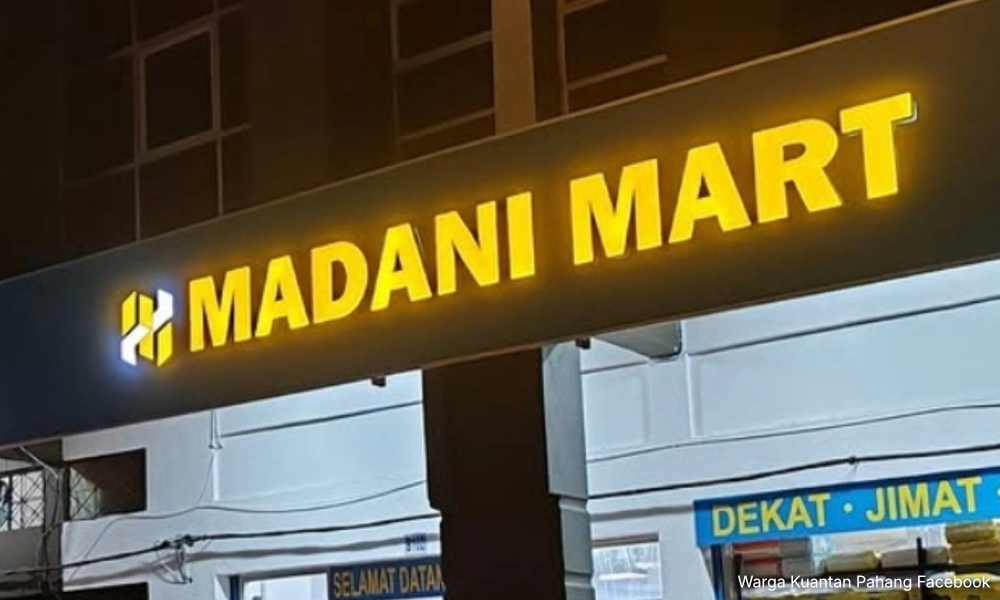
They recall projects moving and a sense that things were getting done. Most importantly, they remember feeling less pressure. That is where the comparison begins.
People are not looking at policy details. What matters is how they felt then compared to how they feel now. That memory is real, and it cannot be ignored.
When people begin to weigh past weaknesses against present frustrations, the conversation shifts. It is no longer about ideals; it becomes about daily survival.
Right now, many Chinese and Indian voters are feeling squeezed. A large number of them run small and medium businesses.
Rising costs are hitting from all directions. Minimum wage increases, diesel subsidy changes, tax expansion, and compliance costs. All at once.
Margins are thinner, risks are higher, decisions are harder.
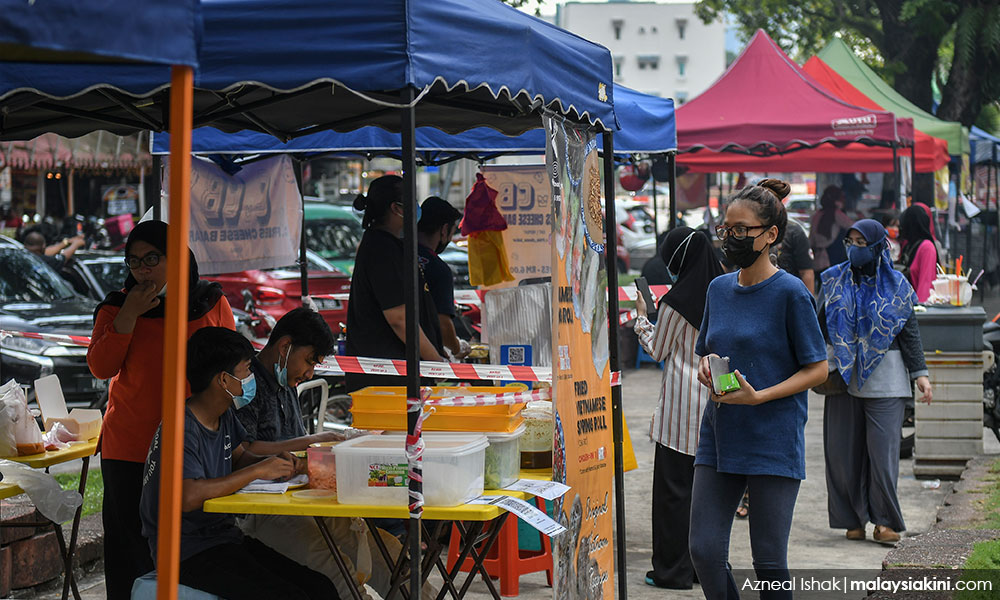
There is also a growing feeling that policies are being introduced without fully understanding how businesses operate on the ground.
Some feel they are expected to absorb the impact without enough support. This is where frustration builds.
At the same time, the message about fighting corruption is not landing as expected. People understand it is necessary.
But they are asking a simple question. What is the benefit if daily life does not improve?
When people start saying at least before things were manageable, it shows a gap between policy and lived experience. When that gap widens, trust weakens.
People’s patience wearing thin
This is not about supporting corruption. It is about losing patience.
Harapan must also recognise that BN carries its own base and identity. Leaning too heavily risks blurring that line, especially among voters who once rejected BN outright.
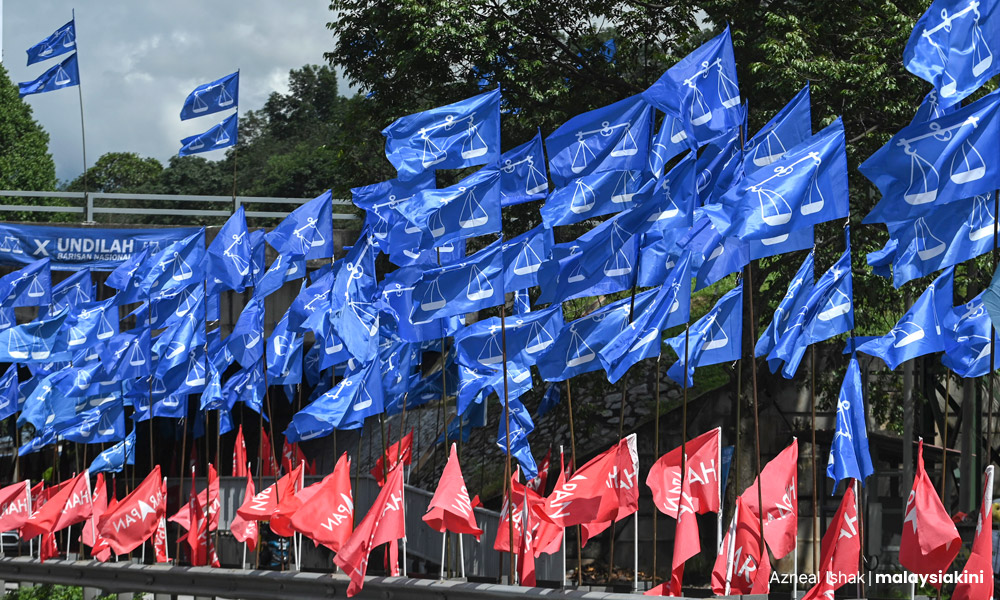
Perception matters. Harapan was once respected because it listened and adjusted quickly. It was never comfortable and was always pushing.
That must return, because comfort is dangerous. When leaders begin to feel secure, urgency fades.
The instinct to improve weakens. That is when problems grow without being addressed.
Harapan cannot afford that.
Leaders must stay sharp, grounded, and be willing to accept criticism and respond with action, not just explanation.
This is 2026. People are more aware, more informed, and more demanding. They are watching, comparing, and many are already making their judgment.
Harapan may not feel the shift immediately, but if turnout drops, it will. By then, it may already be too late. - Mkini
MAHATHIR MOHD RAIS is a former Federal Territories Bersatu and Perikatan Nasional secretary. He is now a PKR member.
The views expressed here are those of the author/contributor and do not necessarily represent the views of MMKtT.

No comments:
Post a Comment
Note: Only a member of this blog may post a comment.