


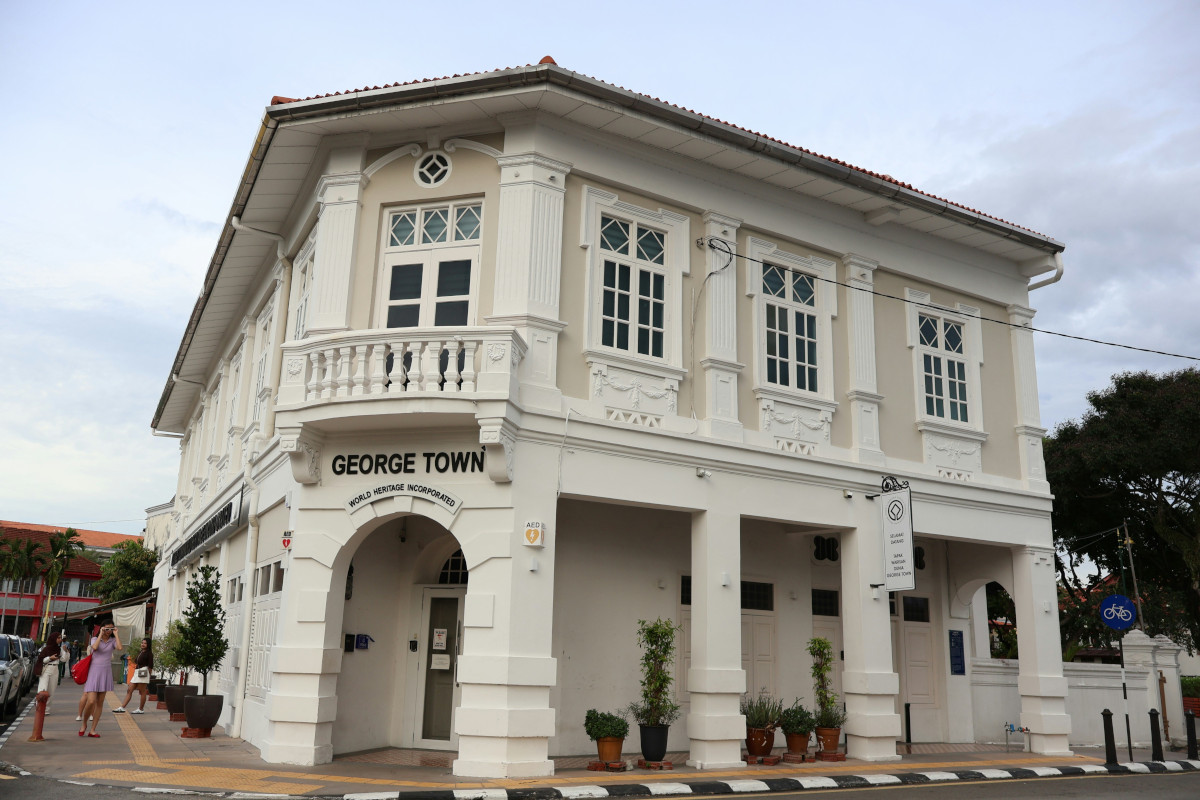
AS World Heritage Day comes around each year, it invites us to look beyond the beauty of monuments, buildings and historic sites, and to ask a deeper question: what truly makes heritage worth protecting?
The answer lies not only in stone, timber and brick, but also in the living traditions, values and memories that shape our shared identity.
This year, the reflections of Syawal offer a timely lens through which to understand heritage more fully. Though the festive period has passed, its spirit lingers in the way families gather, in the warmth of forgiveness exchanged, and in customs quietly carried from one generation to the next.
In this sense, Syawal is more than a celebration; it is a reminder that heritage is not only inherited, but actively sustained.
World Heritage Day often draws attention to iconic places such as historic mosques, royal palaces, colonial landmarks and old city centres.
These sites matter. They are tangible records of history, architecture and nationhood, reflecting the craftsmanship and cultural exchange that shaped our built environment.
Yet heritage is never limited to what can be seen.

Equally important is the intangible heritage embedded in daily life. It is found in the practice of visiting relatives during Syawal, the act of seeking forgiveness, the preparation of traditional food, the use of courteous language, and the sharing of stories across generations. These are not minor details; they are the threads that hold communities together.
Without them, heritage is incomplete.
What makes intangible heritage powerful is that it is experienced rather than observed. It is passed on through participation.
A grandmother teaching her grandchild to fold ketupat, a parent explaining the meaning behind a family tradition, or relatives preparing for an open house together—these are acts of cultural transmission. They may appear ordinary, but they sustain continuity.
In today’s fast-moving world, however, these practices face new pressures. Urban lifestyles, digital habits and shifting social patterns have changed how people celebrate and connect.
Open houses are often more hurried. Greetings are sent through messaging apps. Images travel faster than the stories behind them.
Convenience has brought efficiency, but it can also dilute meaning.
This is not a story of disappearance, but of adaptation.
Across Malaysia and beyond, younger generations are using digital platforms to keep heritage alive in new ways. They share family recipes, document oral histories, reinterpret traditional attire and showcase cultural practices online.
Social media, often criticised for shortening attention spans, can also expand cultural visibility.
A short video of a traditional dish being prepared may spark curiosity. A post about a family ritual may encourage reflection. A photograph of a heritage site visited during the festive season may renew appreciation for place and memory.
This is where World Heritage Day becomes especially meaningful. It reminds us that heritage is not static or confined to the past. It is dynamic, evolving and responsive to change. The challenge is not simply to preserve heritage in its original form, but to ensure that its values endure.

Heritage is deeply connected to how people live. It shapes how we greet one another, how we welcome guests, how we honour elders, and how we remember those who came before us. It informs our sense of belonging and provides a moral and cultural compass.
When these values are nurtured, heritage becomes more than a record of history. It becomes a way of life. World Heritage Day, therefore, should not only be a moment for reflection, but also for action.
It calls on individuals to consider the everyday choices that sustain heritage: listening to family stories, teaching younger generations the meaning behind traditions, and continuing practices that carry cultural significance.
In a rapidly changing world, these choices matter. They ensure that heritage remains relevant, resilient and rooted in lived experience.
As the echoes of Syawal fade and World Heritage Day prompts reflection, one message stands clear: heritage lives not only in buildings, but in people. It exists in language, customs, values and the bonds that connect generations.
To protect heritage is not only to conserve the past. It is to sustain a living culture that continues to shape who we are.
Because in the end, heritage is not just what we inherit. It is what we choose to keep alive.
Assoc. Prof. Sr Dr. Zuraini Md Ali is from the Faculty of Built Environment, Universiti Malaya, Kuala Lumpur while Asst. Prof. Datin Dr Nor Hayati Hussain is from the School of Architecture, Faculty of Built Environment, Tunku Abdul Rahman University of Management and Technology (TAR UMT).
The views expressed are solely of the author and do not necessarily reflect those of MMKtT.
- Focus Malaysia

No comments:
Post a Comment
Note: Only a member of this blog may post a comment.