


There is a strange political metamorphosis that occurs when opposition leaders cross over into power. It is not ideological, but almost… dermatological. The thick skin they once wore with pride is suddenly replaced by an allergic reaction to criticism.
In the opposition, criticism is oxygen, and politicians rely on it to attack incumbents, build credibility as reformers, gain visibility, and connect with the rakyat’s frustration.
As soon as they become the government, criticism becomes carbon monoxide and the same issues are perceived as something to be contained or eliminated, often considered toxic, dangerous and destabilising.
Thus, criticism that is fuel for political survival and embraced as accountability when in the opposition turns into a perceived threat to political control once in power and is often recast as disruption.
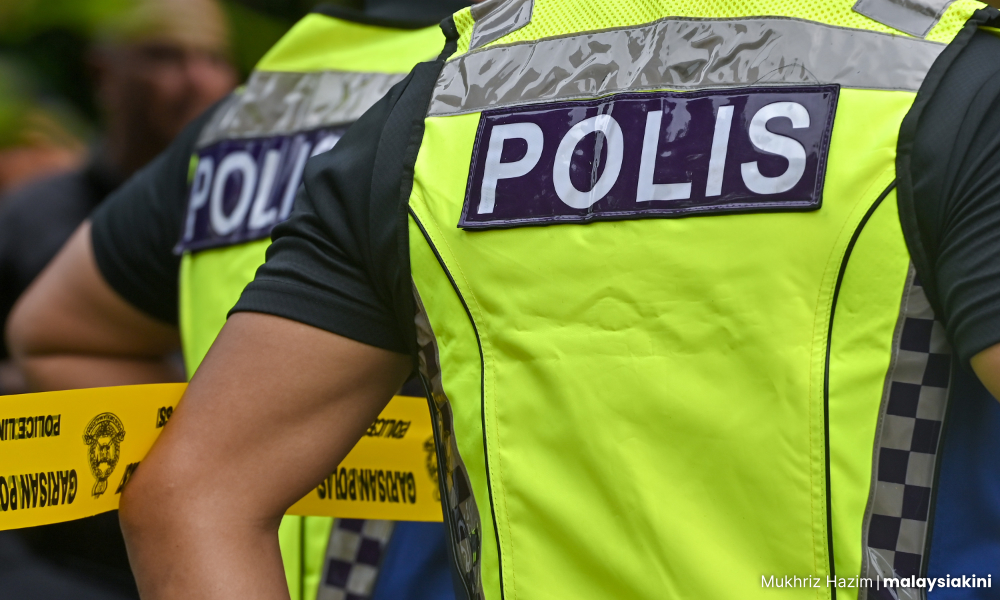
The alleged arrest of a TikToker under the Sedition Act, reportedly for criticising Prime Minister Anwar Ibrahim, is troubling not just for what may have happened, but for what followed. Silence.
When authorities refuse to confirm or deny widely reported actions, it ceases to be procedure and becomes power - who controls information, and who decides what the public is allowed to question.
This is the irony and the sad fact of our leaders today. Many of them rose by opposing such opacity. They spoke of reform, defended dissent, and championed the rakyat’s right to criticise.
Yet once in power, criticism appears less like a democratic necessity and more like an inconvenience.
Was the commitment to free speech always conditional? If criticism is only acceptable when convenient, it is not a principle; it is a tactic, but we all know that tactics have an expiry date.
When the openness which was previously exhibited disappears, people will begin to notice the inconsistency. The electorate knows the tactic is no longer believable, the rakyat sees the contradiction, and trust starts to erode.
Take a page from others
However, not all leaders react this way, and there is much that our leaders can learn from the heads of other nations.
New Zealand’s then-prime minister, Jacinda Ardern, faced intense public criticism during COVID-19, yet responded with transparency and policy adjustments rather than suppression.
She was criticised relentlessly, over lockdowns, mandates, and economic costs, but under her leadership, criticism was not treated as a crime, but as a consequence of governing. The response was not silence, but explanation; not suppression, but adjustment.

Even within a controlled and tightly managed system like Singapore, there is still some responsiveness to criticism.
Singapore’s former prime minister, Lee Hsien Loong, may not have embraced criticism in the same open way as Ardern, but he acted with more subtlety by acknowledging policy pressures and recalibrating where necessary.
In major speeches and especially on National Day Rallies, he would openly address issues people were unhappy about, like rising HDB prices, migrant workers, rising living costs, and inequality.
The key point is that the issue was neither silenced nor denied, but there would be a response to the criticism and a possible policy recalibration.
Former United States president Barack Obama governed amid relentless criticism, but in the US, under him, criticism was not suppressed but institutionalised, and channelled through a free press, legislative scrutiny, and judicial review.
Democracy depends on criticism
The contrast is clear: criticism, when engaged with, strengthens legitimacy. When suppressed, it erodes it.
A functioning democracy does not merely tolerate criticism; it depends on it. It is a stress test of leadership, not an attack on it. Without it, governance becomes performance, and power becomes theatre.
Naturally, criticism can be crude, emotional, even unfair, especially in the age of social media, but the true test of leadership is not how it handles polite dissent. It is how it responds to the loud, messy, inconvenient kind.
Knowingly, democracy was never meant to be tidy.
There is, however, a familiar double standard. In the opposition, criticism is framed as accountability. In the government, the same criticism becomes “destabilising”.
Laws once condemned as repressive are repurposed as necessary. The Sedition Act does not change; only those wielding it do.
And here lies the uncomfortable truth: power changes perception. Criticism feels personal. Dissent looks like disloyalty. The line between protecting the state and protecting one’s image begins to blur.
A leader who cannot tolerate criticism is not strong, as he’s only shielded.
The price of silencing dissent
There seems to be an unwritten political rulebook whereby, when in the opposition, “The people must be heard.” Then the transition to being the rulers means that in government, “The people must be… managed.”
Some politicians tend to treat criticism like gym memberships, enthusiastically signing up when in the opposition, but quietly neglecting the gym when in power. Unlike a missed workout, the cost is not personal. It is public.
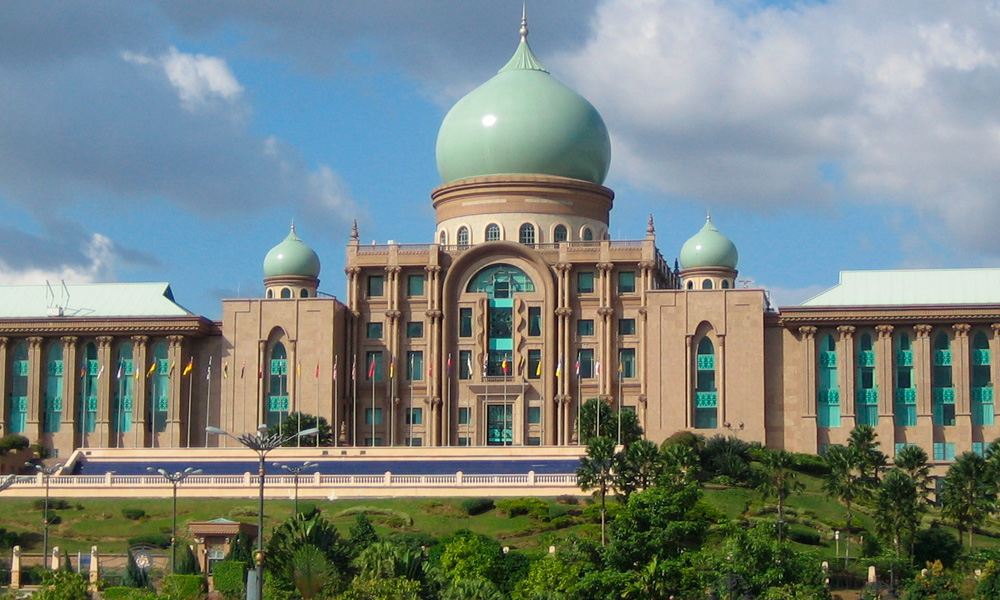
Will the Madani administration appreciate that criticism is not the enemy of governance? It is its safeguard. It is the early warning system that tells us when power drifts and promises fade.
Therefore, suppressing criticism is not just silencing dissent; it is weakening democracy itself, and that is a price no government can afford.
Why has there been no clear confirmation about what happened to “Jorjet Myla”? - Mkini
MARIAM MOKHTAR is a defender of the truth, the admiral-general of the Green Bean Army, and the president of the Perak Liberation Organisation (PLO). Blog, X.
The views expressed here are those of the author/contributor and do not necessarily represent the views of MMKtT.

No comments:
Post a Comment
Note: Only a member of this blog may post a comment.