


The backlash was never really about the coffee. It was about what the policy revealed.
From Boo Jia Cher
When Hannah Yeoh introduced the Bangun KL initiative, offering RM5 coffee from ZUS Coffee to encourage people to leave home earlier, it seemed harmless enough.
A small nudge. A behavioural tweak. The idea was simple: if enough people shifted their routines, the morning peak might ease.
But the backlash was never really about the coffee. It was about what the policy revealed.
The problem is not lateness
Listen to how people actually move through Kuala Lumpur, and the premise quickly falls apart.
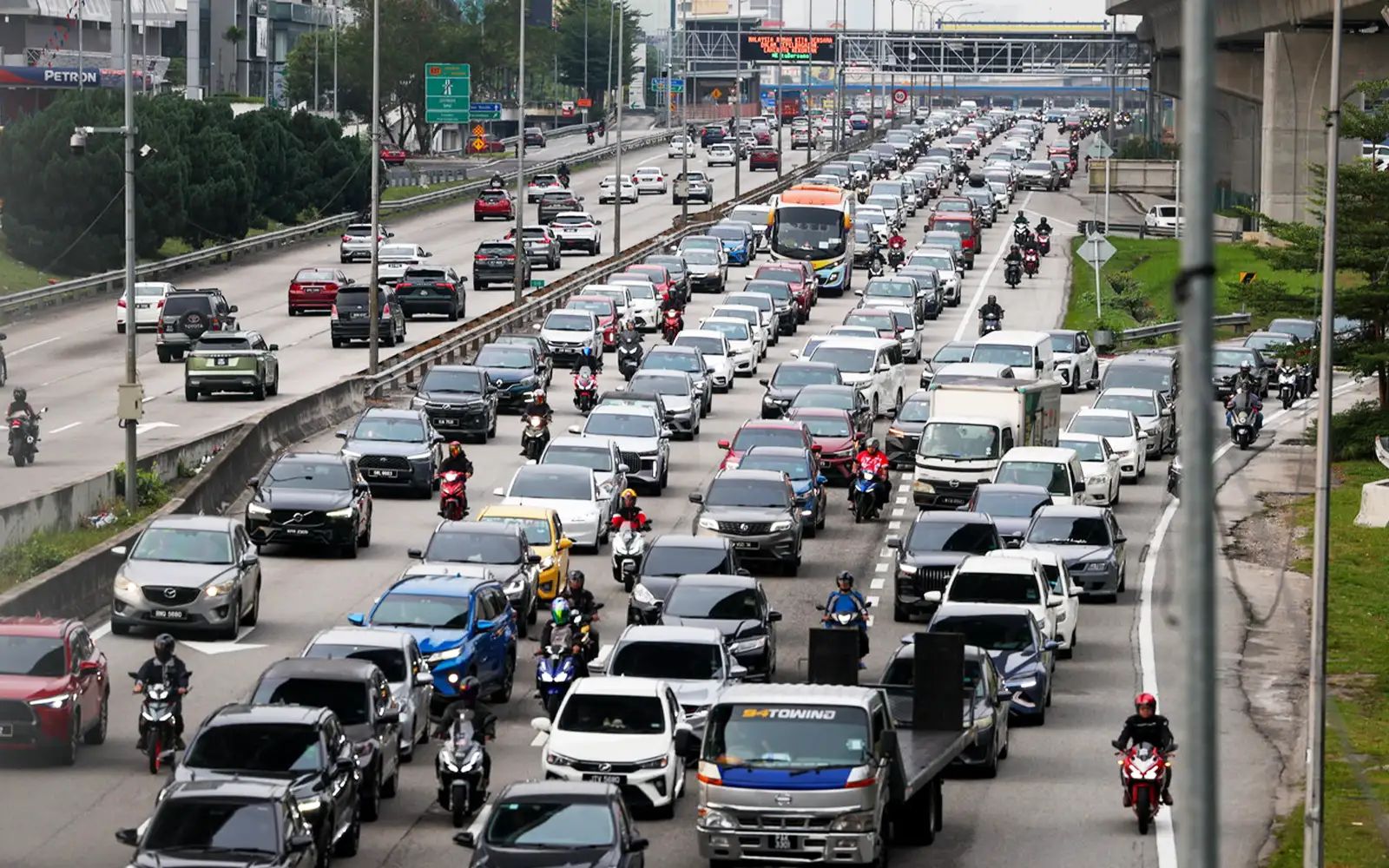
The average KL driver spends an extra 159 hours a year in traffic, with travel times about 35% longer than free-flow conditions.
For commuters coming from Klang or Shah Alam, a 90-minute to two-hour journey into the city is routine.
Many are already leaving as early as they can. Some arrive well before work and sleep in their cars.
These are not people who need encouragement to wake up earlier. They have already reorganised their lives around congestion. There is no slack left to optimise.
So what does it mean to offer coffee in exchange for something people are already doing?
KL has a geometry problem
Over the past two decades, Greater KL has sprawled outward while jobs remain in the city centre.
Rising costs and the pull of landed homes have pushed many to suburbs like Subang, Shah Alam, Puchong and Klang.
In that sense, our attachment to car-dependent suburban living helps sustain the congestion we complain about.
The result is structural: long distances between where people live and where they work, funnelled into a limited number of corridors at the same time each day.
No amount of earlier wake-up calls can fix that.
More roads don’t fix traffic
For years, the response has been to build more roads. Yet congestion persists.
This is the logic of induced demand: increase road capacity, and traffic rises to fill it. Bottlenecks may ease briefly, but the relief rarely lasts.
At the same time, driving has been made too accessible. Fuel subsidies, long-term car loans, and a steady supply of vehicles have normalised car ownership at scale. Malaysia now has nearly as many registered vehicles as people.
And most of those vehicles carry just one person. At peak hours, average occupancy hovers around 1.2 people per car; an enormous inefficiency that makes congestion inevitable.
Public transport still has too many gaps
KL’s rail network has grown, but for many commuters, the problem lies in the first and last mile.
Buses are infrequent. Sidewalks are incomplete. Walking is uncomfortable in the heat.
Faced with a fragmented journey versus a direct, air-conditioned drive, many choose the car, not out of preference, but because it remains the more tolerable choice — even if it means sitting in traffic for two hours.
The real fix is structural
Once congestion is understood as the product of land use, transport policy, pricing and governance, it becomes clear there is no quick fix at the margins.
Traffic is not simply the result of too many cars. It is the outcome of a system that has made driving the easiest, cheapest and most reliable way to move. Changing that means changing the incentives.
Congestion pricing is one lever. Charging vehicles to enter the city during peak hours is not about punishment, but about reflecting the true cost of road space.
Fuel subsidy reform is another. Reducing blanket subsidies would make driving a more deliberate choice, while freeing up public funds for better alternatives — something so crucial now, given the global oil crisis.
Parking, too, remains underpriced. As long as it is easy and cheap to store cars in the city, driving will continue to dominate.
At the same time, land use must shift. Central KL is filled with underused plots and buildings, surface parking, and low-density enclaves that serve very few people. We even have a gigantic golf course that borders TRX.
These are missed opportunities. Reimagined as green, mixed-use, walkable neighbourhoods, they could bring people closer to jobs and reduce the need for long commutes altogether.
Sprawl must also be stopped. As long as the default aspiration is a large landed home on the urban fringe, supported by long daily drives, congestion will persist. This is not just a planning issue, but a national one.
Public transport needs to be reliable enough to compete. That means trains that work consistently, buses that arrive frequently, and dedicated lanes that allow them to move faster than cars.
And finally, governance matters.
Responsibility for transport and development in KL is fragmented across multiple agencies, often working in silos.
Highways can be approved without considering long-term urban form, and housing can be built without proper transport links.
The result is a city that grows without coordination, and congestion is the natural outcome.
This is why Bangun KL struck a nerve.
Wrong idea
Bangun KL asked individuals to wake up earlier, to try a little harder within a system already stretched to its limits, rather than asking whether the system itself needs to change.
Yeoh may well be performing strongly as federal territories minister, and her efforts to accelerate improvements in KL deserve recognition. But Bangun KL was clearly not one of the stronger ideas.
No one expects overnight transformation.
What matters more is a clear acknowledgment of the underlying problems, and the political will to address them over time.
That is what builds public trust, not small incentives, but a serious commitment to structural change. - FMT
Boo Jia Cher is an FMT reader.
The views expressed are those of the writer and do not necessarily reflect those of MMKtT.

No comments:
Post a Comment
Note: Only a member of this blog may post a comment.