


As Malaysia faces a serious global crisis with the Iran war impacting prices, livelihoods and food security, politicians continue to focus on politicking.
This week’s crisis in Negeri Sembilan, where Umno local representatives withdrew from the state government, has led to conditions where the Pakatan Harapan minority government is likely to continue to control the state administration at least until the next legislative sitting.
The drivers of this crisis, which have been percolating under the surface for some time, were local to the state, tied to differences among the customary royal elites and dissatisfaction in state governance.
Yet the crisis speaks to broader splits nationally, within the Madani government, within political parties and with Prime Minister Anwar Ibrahim’s leadership.
Developments in Negeri Sembilan follow the postponement of the legislative assembly in Perlis last week, also showcasing instability.
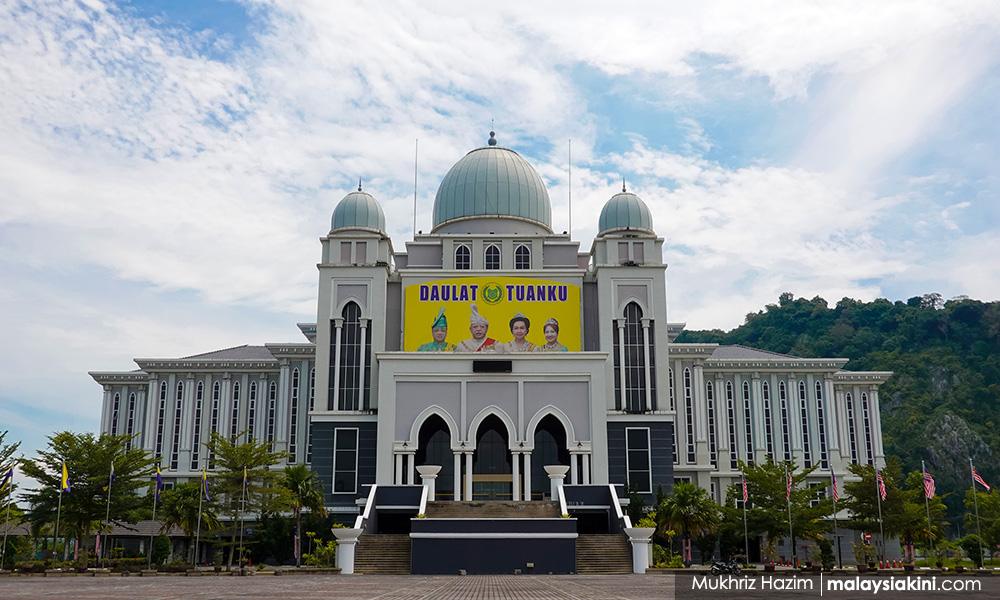
In this crisis, the contending political protagonists are from Perikatan National, as PAS, Bersatu, and the faction of former Bersatu deputy president Hamzah Zainudin remain at loggerheads over state leadership, with the royalty similarly playing an important role in setting the parameters of who will govern.
The Perlis crisis speaks to differences within the opposition, among the PN coalition partners, within PAS and Bersatu and disagreements among PN leaders.
Election season intensifying divisions
Malaysian politics is deeply fragmented, and this fragmentation is deepening.
The catalysts are local and national, fueled by the reality of a pending general election – reported at possibly a mere six months away, although not needing to be held until 2028, and coming state polls of Malacca, Johor and Sarawak expected later this year or early next year.
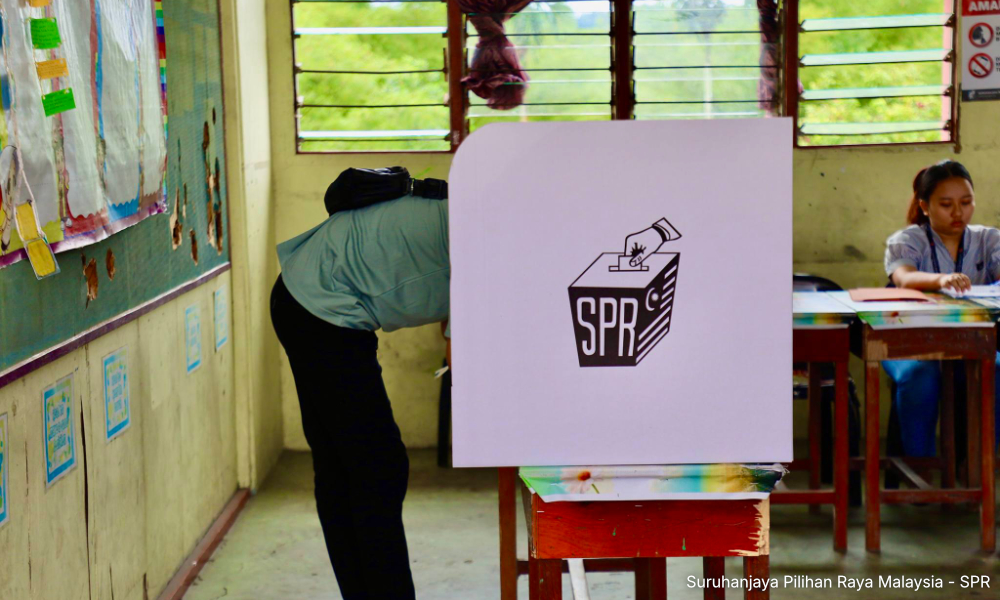
At the core, however, are ambitions to hold power, with patronage, personal legal protections, and promises to core constituents at the forefront. A commitment to public service and reforms gets short shrift.
Earlier in the year, I reflected on key political developments in 2025, pointing to five developments: the displacement of senior leaders, electoral weakness of the Anwar-led government, the PKR purge, a divided PN and greater Borneo power.
Each of these factors has continued to shape politics this year ahead, arguably with even greater impact.
READ MORE: Political recalibration: Looking back at 2025 Part 1
Using these issues as anchors, allow me to explain:
1. Youth seeking a reset
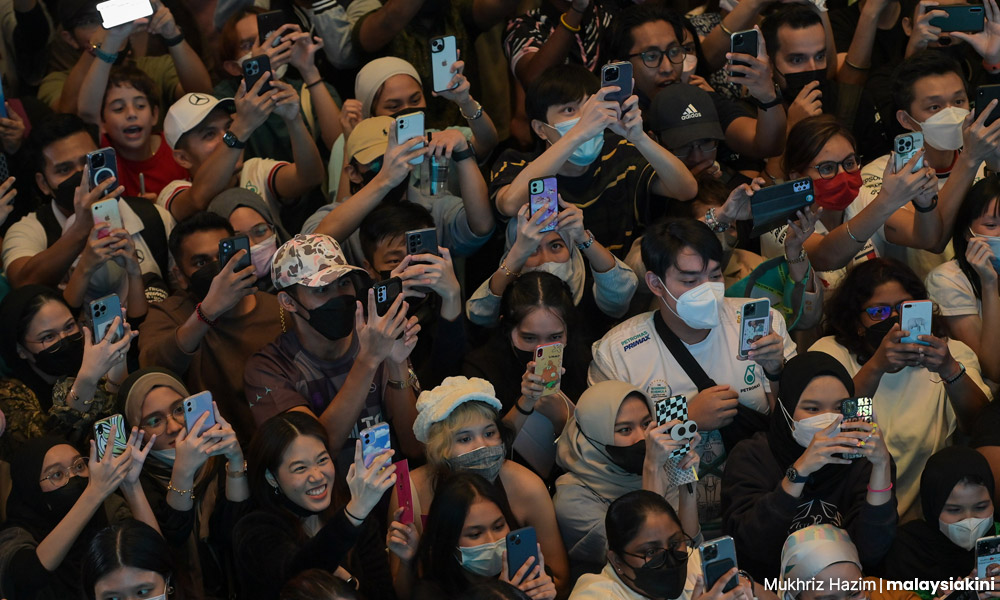
When speaking to younger voters, a common theme is an increasing desire for something “new,” a reset button for the country.
This sentiment extends beyond youth to some older voters in the urban areas, but is not new in Malaysian history if one recalls the “New Malaysia” euphoria around the change in government of 2018.
Today, the dissatisfaction with leaders and parties on offer has grown across the political divide. Among youth, some of this sentiment revolves around support for the outspoken opposition-leading, still-PKR MP Rafizi Ramli, for others it is Muda, and for yet others it is more of an ideal.
The desire for “change” in Malaysian politics has been a powerful driver of national politics for over two decades. With deep-seated disappointment in Anwar’s reformasi and persistent economic insecurity faced by youth, the sentiment for “change” is being redirected toward the young, especially by the young.
The ground for the emergence of new political forces in Malaysia remains fertile, especially as older leaders continue to play less of a role. They nevertheless remain on the sidelines, even as former premier Najib Abdul Razak dropped his house arrest bid this week.
Voters under the age of 40 make up over half the electorate, and they will be the decisive force shaping the election, one in which “change” sentiment is strong.
2. Anwar govt’s persistent electoral weakness
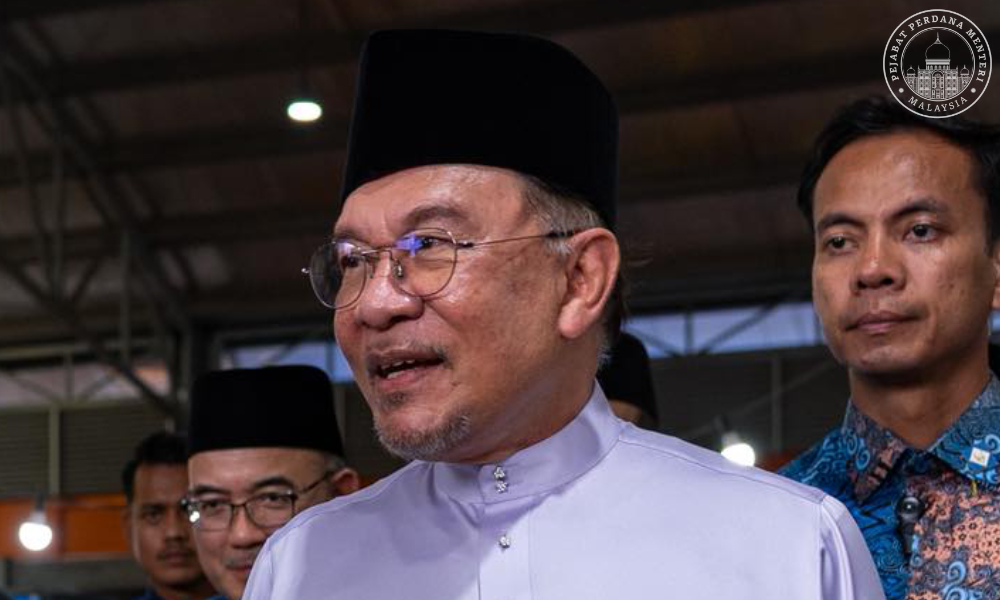
Questions continue to revolve around Anwar’s electoral ability. One school of thought emphasises his strong approval rating, hovering over 50 percent with a slight drop from a year-end high last year, and the popularity of the petrol subsidies.
They argue that he will be returned, pointing also to his adept “deal-making” ability.
Another less optimistic school argues that approval ratings do not translate directly into electoral support across varied seats.
This was the case in 2008, with then prime minister Abdullah Badawi’s high approval rating of over 60 percent coincided with the loss of two-thirds for Umno and Ismail Sabri Yaakob’s leadership as PM in 2022, tied to further erosion for his party at 46 percent approval.
Incumbency can be risky, especially in a time of growing economic crisis and intense politicking if not managed well.
The reality is that Anwar will head into the polls with strong detractors and dissatisfaction in his base, dissatisfaction that has yet to be addressed with the passage of any substantive political reforms and persistent alienation of large shares of non-Malay voters.
Keeping the petrol subsidies low has meant that prices have risen slowly, with Malaysians benefiting from some protection against the US President Donald Trump administration’s provoked global crisis, but it will worryingly limit Malaysia’s financial capacity to respond in the long term if the Iran war crisis deepens.
Here, the timing of the election becomes challenging to set, with pressures pointing to either earlier or considerably later polls.
3. Deeper PKR divisions
Electorally critical for Anwar is whether PKR will be able to win back the 31 seats it won in 2022. This is far from clear and raises further questions about support.
Given the split with Rafizi and the others that are part of his political camp, PKR’s divisions will continue to play out on the national stage.
Last year, Rafizi’s group controlled a third of the party base. In recent months, since the cabinet reshuffle provided pro-Anwar PKR members greater resources, there have been efforts within PKR to try to consolidate new teams on the ground with mixed success.
Rafizi has become stronger in terms of his ability to capture attention since leaving the cabinet, even as his camp inside the party is being either displaced from candidacy or pressured to change sides.
Pressure is evident as the stakes are high. Last weekend’s protest against outgoing MACC chief Azam Baki, where the Pandan MP was surrounded by police for questioning, the theatre of the arm raised had echoes of the past.
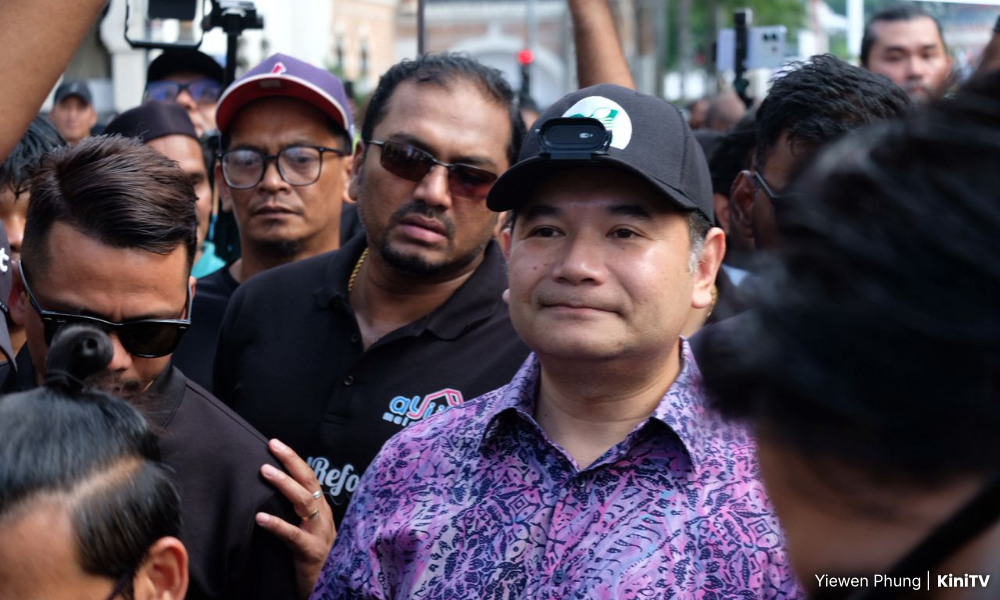
It is a reminder that the tipping point of repressive responses to critics and opposition figures can be easily and quickly reached, even in this age of growing cynicism and commonality of attempts to quieten dissent.
One only needs to remember how the response to controversial businessperson Albert Tei in Sabah contributed to losses for DAP and PKR in Sabah’s 2025 polls.
The questions ahead will be when and where the Rafizi opposition will move and the breadth it will bring with it.
4. Umno seeking a return
An important factor in assessing the popularity of Anwar and his government is what is being measured. In short, how much of Anwar’s popularity is from Umno supporters?
How much of the support is a reflection of those who support the government of the day, whichever party is in power?
One noticeable change in the ground since January has been growing support for BN, as sentiment for a reset is also coinciding with a push for a return.
Umno is part of the federal government, and despite the changes in Negeri Sembilan and pressure for state elections in Malacca and Johor, the party is likely to stay in that role until the next general election.
Trust among Madani coalition partners is being tested, and it is clear that acceptance of Madani cooperation at the federal level does not extend across the party, especially at the state levels.
Events in Negeri Sembilan showcase that there are significant differences between Umno and Harapan, as the Madani coalition has faced a range of challenges from racialised issues such as pig farming to differences over legal charges and political appointments.
Electoral pressures this year have brought the differences to fore and will continue to do so.
Looking ahead, Umno remains a political force, stronger than it was in 2018 due to its ability to survive, well-received recent “Rumah Bangsa” measures to regain its traditional base and key MPs.
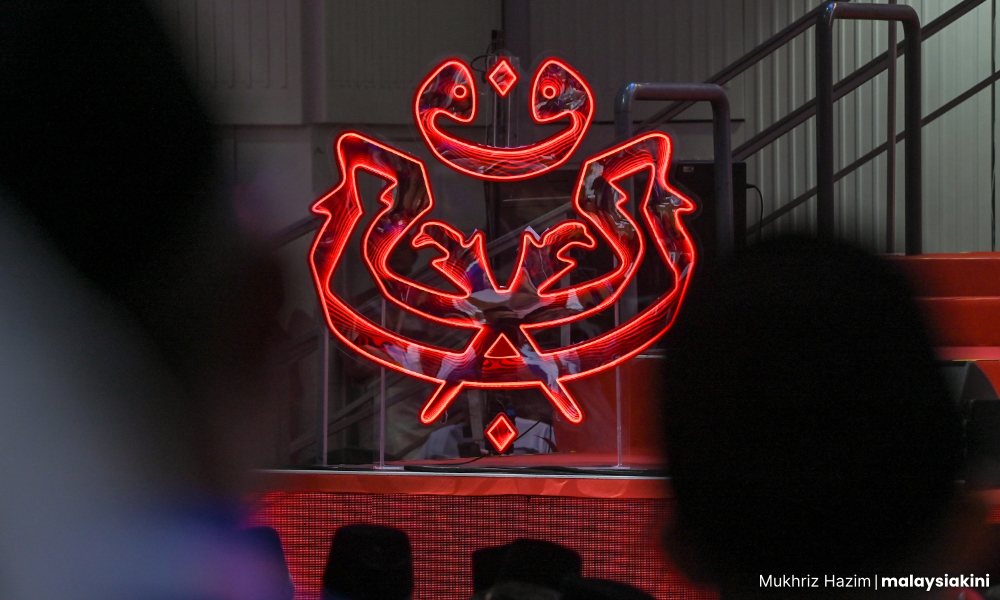
Voters are increasingly seeing Umno through more positive nostalgic lens despite the trust deficit the party still faces.
Its strength comes from its grassroots, traditional patronage and diverse views of its record in office, especially voters who see BN’s management of race relations, political stability and the economy differently than traditional Harapan opponents.
The withdrawal of the 14 Umno assemblypersons in Negeri Sembilan will impact views of the party, with the most electorally important testing ground perceptions among Malay voters.
Hard decisions about whether coalitions will contest against each other or work together will have to be made. Negeri Sembilan is only the beginning of splits that will inevitably expand as electoral pressures mount.
5. PN divisions
The fragmentation is not just within the Mandani government and within governing parties. It extends to PN. As with Negeri Sembilan, the Perlis showdowns and national ripples are far from over. Malaysia’s opposition faces its own serious divisions.
The leadership crisis in Perlis exposed Bersatu divisions between former PM Muhyiddin Yassin and his then, now sacked, deputy Hamzah.
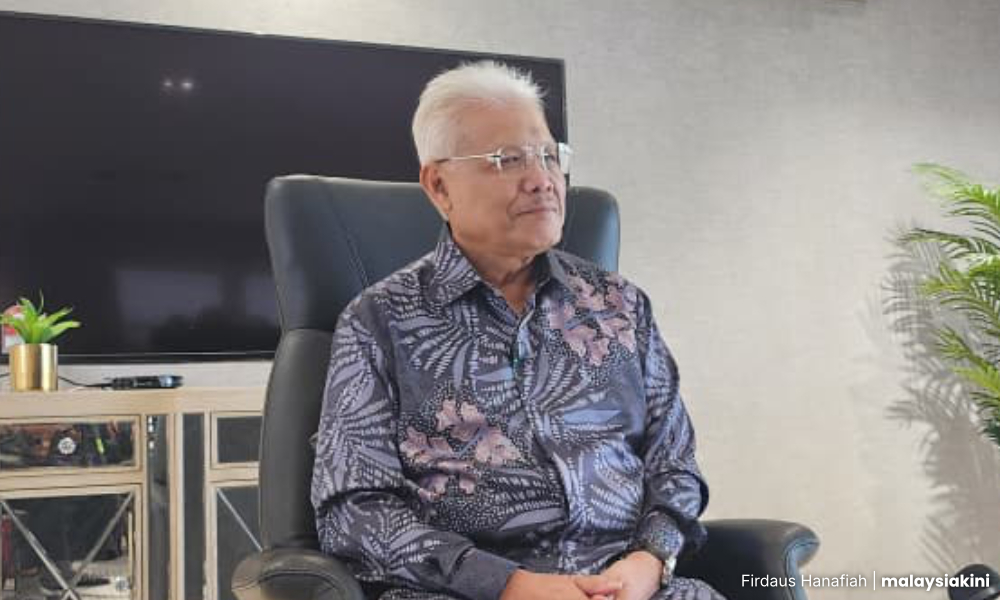
With 18 Bersatu MPs in the Hamzah faction, Bersatu is irreparably divided as the sackings show. Hamzah’s camp will find its own political vehicle, with recent reports suggesting this is Berjasa.
Among current and former Bersatu members, the fight for who will survive is intense; the results are politically deadly.
PAS will face difficulty navigating the different Bersatu camps, with these issues coming to a head in the coming Malacca and Johor polls. These differences will impact Bersatu’s electoral fortunes.
Few appreciate that the Perlis crisis also points to divisions within PAS, over whether to push for dissolution in the state and undercurrents involving tensions among leaders at both the state and national levels.
While Terengganu MB Ahmad Samsuri Mokhtar may be the alternative PM candidate and PN chair, PAS still wrestles with national acceptance across Malaysia, readiness to govern in terms of competency, and tensions between ulama and technocratic governance, as well as personality conflicts.
Behind the green curtain, there is also political positioning within PAS and differences over approaches to voter engagement.
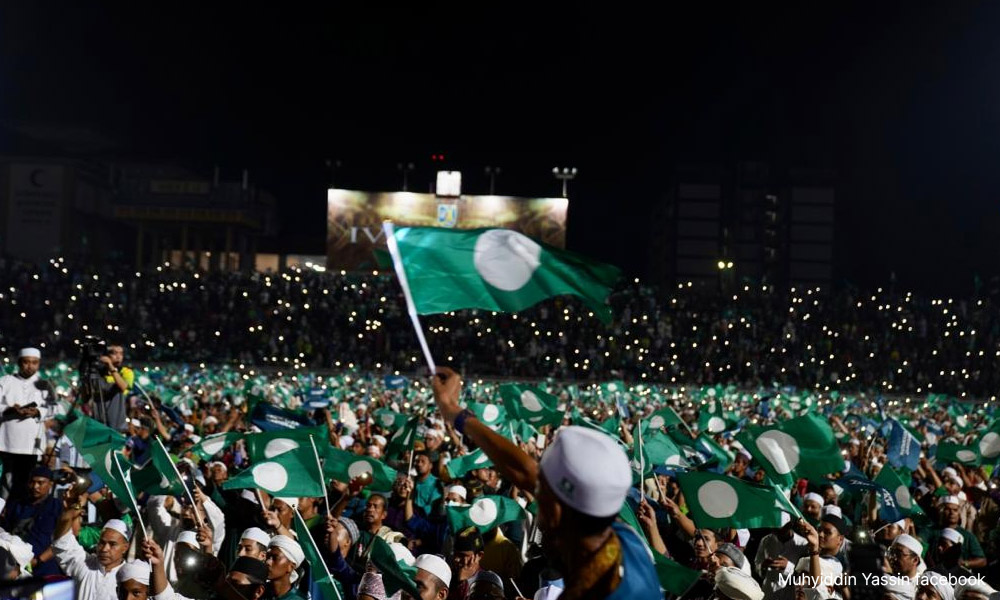
These also inevitably will come to the forefront as elections approach, although among the parties nationally, PAS will likely manage these differences less openly than others.
6. Borneo’s quiet anger
Finally, and definitely not least, is the issue of Borneo.
Sabah’s 2025 polls showed how inhospitable Sabah is to peninsula-based parties, especially PKR and DAP. This has worsened further.
With the recent delay of the 40 percent constitutionally mandated payment, this has only served to further distance Sabahans from the Anwar-led Harapan.
Sabahans are losing confidence in a genuine fulfilment of constitutional provisions and the Malaysia Agreement 1963 commitments.
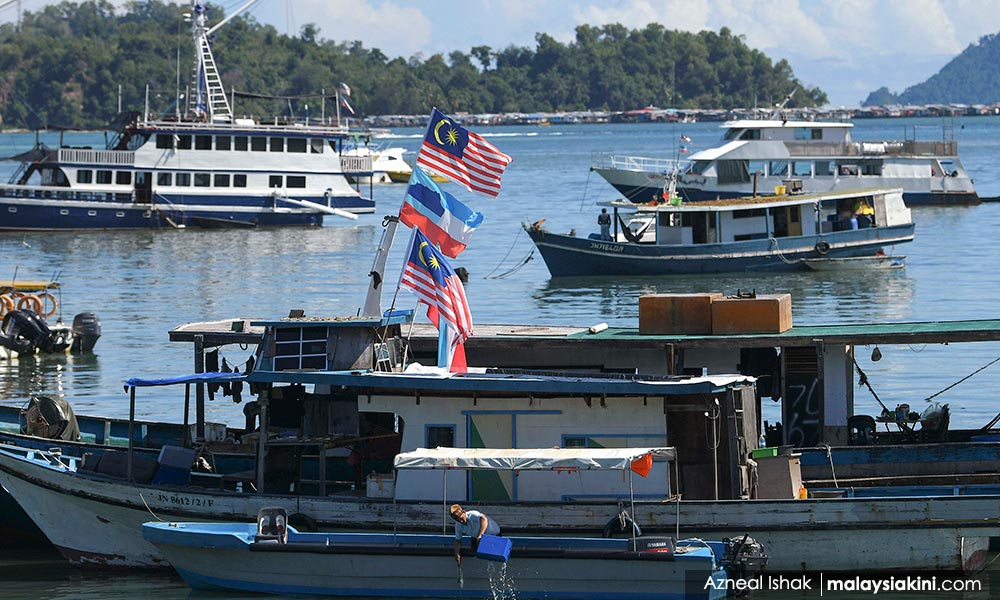
In Sarawak, the issue of finance distribution takes the form of the Petronas legal case, involving oil and gas revenues. The mobilisation of Harapan against Gabungan Parti Sarawak (GPS) has already started and is also souring relations.
The redelineation for the polls remained stalled, contested over malapportionment and the disempowerment of urban voters, especially Chinese voters.
Elections are pending, but a campaign tied to garnering more respect from federal leaders and state nationalism is already underway.
Borneo voters are increasingly embracing their decisive role in shaping who governs nationally. This will impact Harapan's electoral contests in the nine seats it holds in Borneo.
Navigating splitting and hedging
Malaysia’s divisions in coalitions, parties and across regions have moved away from polarisation towards fragmentation, at least for now, pre-poll campaigns.
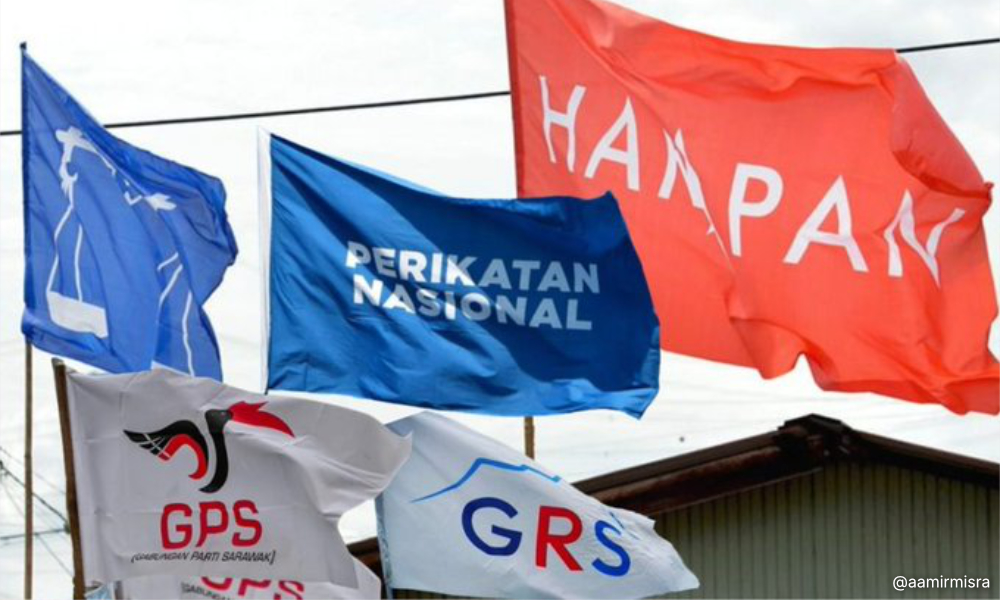
A pattern of fragmentation is likely to expand ahead, weakening all of the political parties and main players while simultaneously providing electoral opportunities.
Malaysians have learned that there are two political processes – elections and political selections. The latter becomes more important in a time of fragmentation.
For now, the focus will be on the former, but expect to also see hedging at play as political parties/coalitions play all sides to allow for deal-making in any selection process ahead.
The impact is that the choices for voters will become less clear in the future.
Meanwhile, most Malaysians will be looking for the best deals – not from politics but on prices as they navigate the Iran war crisis and the fragmentation Trump’s global crisis has caused. - Mkini
BRIDGET WELSH is an honorary research associate of the University of Nottingham’s Asia Research Institute, a senior research associate at Hu Fu Centre for East Asia Democratic Studies, and a senior associate fellow at The Habibie Centre. Her writings can be found at bridgetwelsh.com.
The views expressed here are those of the author/contributor and do not necessarily represent the views of MMKtT.

No comments:
Post a Comment
Note: Only a member of this blog may post a comment.