


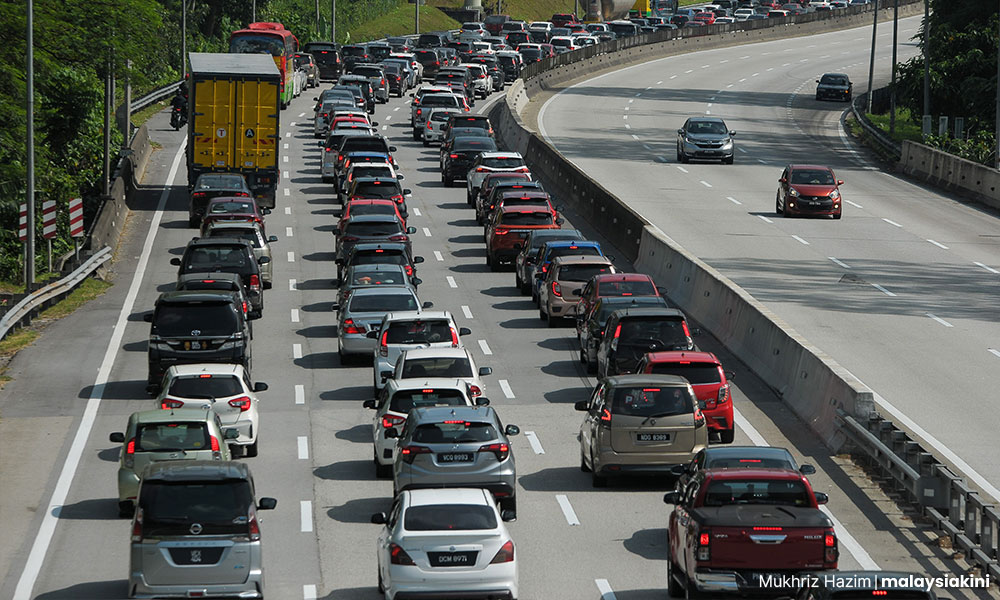
The oil crisis may be a hidden blessing for Malaysia to have fewer traffic jams and become more eco-friendly.
Suggested steps toward this include:
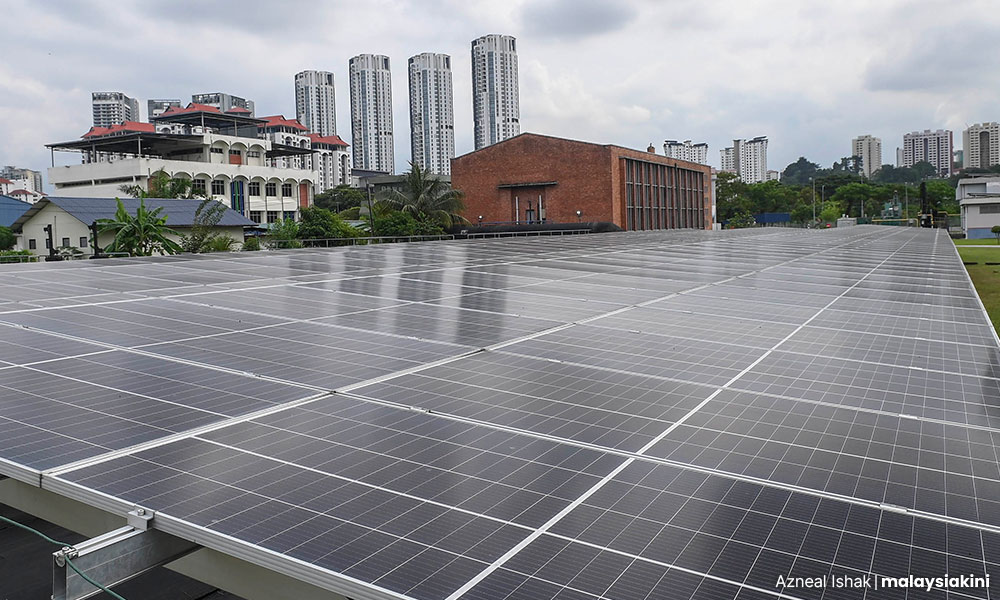
- Ramping up renewables such as solar, wind and hydro power for national survival, as China has done.
- Discourage petrol guzzlers with higher road taxes and switch to smaller fuel-efficient cars such as Perodua Myvi or Axia.
- Create more shade to reduce air conditioning use by giving incentives to plant more trees or install awnings.
- Work from home to reduce commutes that consume precious fuel. This also cuts traffic jams.
- Two-wheelers save energy. More people can feel safer switching to motorbikes as cars decrease.
- Bike lanes encourage bicycles, electric bikes and e-scooters to reach LRT/MRT stations, as seen in Singapore.
- Use fewer chemical pesticides and fertilisers, and increase organic methods.
- Buy less, reuse more. Learn to use pre-loved stuff. Repair things rather than throwing them away.
In short, there are many, many ways to reduce energy usage as an oil crisis looms after the war in the Middle East.
Renewable energy
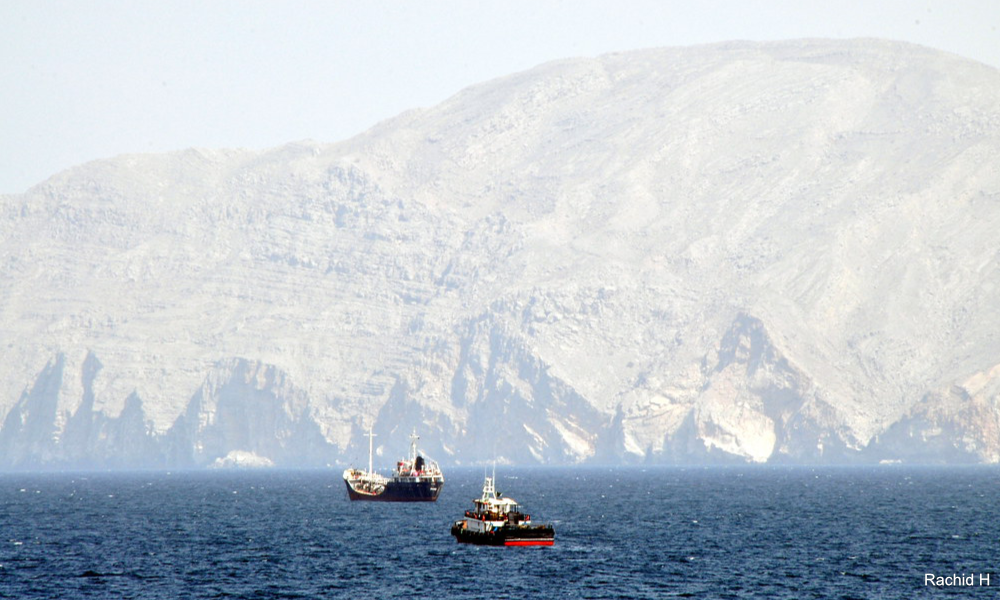
Way before the Strait of Hormuz was affected by the current Middle East war, China had realised that foreign powers could choke off its oil supply at the Strait of Malacca.
Thus, ramping up renewables was not just a “greenie” issue, but one of national security. In 2025, the turning point came as more clean power was used in China than fossil fuels, noted Reuters.
For Malaysia, former economy minister Rafizi Ramli reiterated that rooftop solar panels in our sprawling housing estates are the best way forward, not solar farms, which take land away from agriculture.
In a country blessed with abundant sunshine, it seems almost criminally negligent not to harness this resource to the maximum.
Lack of urgency?
On March 10, Thailand asked civil servants to wear short-sleeved shirts instead of fancy jackets and to set the air conditioning at 26°C to reduce energy usage.
They were also asked to use the stairs instead of lifts while official overseas trips were suspended. TV news anchors supported this by taking off their jackets on air.
Meanwhile, in the Philippines, President Ferdinand Marcos Jr declared a “national energy emergency” on March 25. This was to ensure an orderly supply of fuel, food and other essential goods, plus to prevent hoarding and profiteering.
In contrast, Malaysia has been rather “lepak” or relaxed about energy-saving steps. It has so far only announced that some government-linked bodies will start working from home on April 15.
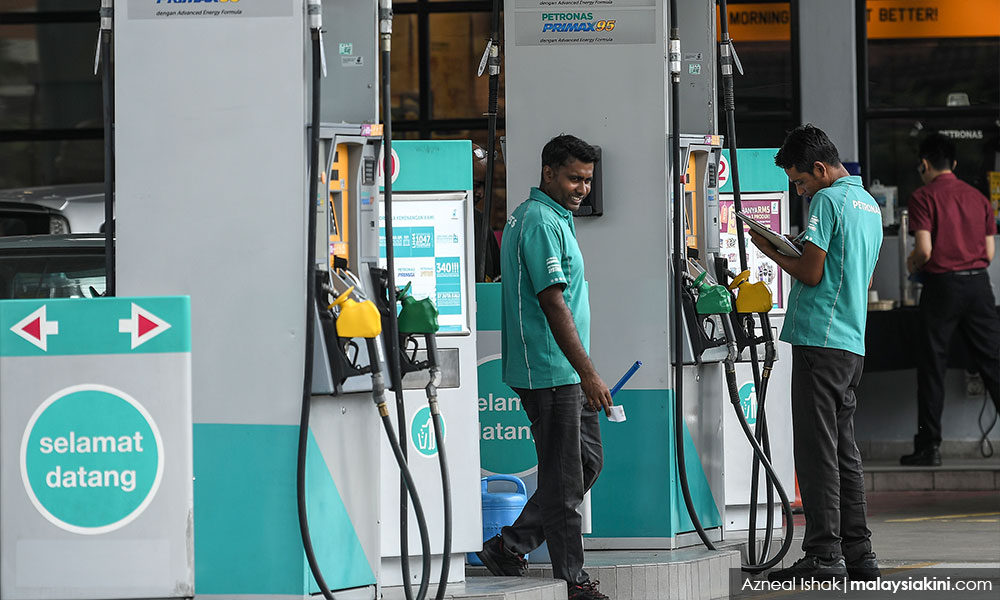
The quota for subsidised Budi95 petrol has also been cut from 300 to 200 litres per month.
Why aren’t we taking stronger steps? What are we waiting for? Or does Madani fear losing votes?
We should not kick the can down the road and wait till things get desperate before taking stricter action.
Instead, Prime Minister Anwar Ibrahim took a VIP helicopter joy ride to “see for himself” the distance between Pulau Batu Puteh and Middle Rock off Johor, consuming about RM3,000 worth of fuel. Wouldn't a drone visual have been sufficient?
This is not leading by example in fuel conservation.

Rafizi urged Putrajaya to temporarily halt large-scale political programmes amid the ongoing global energy crisis, telling politicians to opt for video calls instead.
He added that if the Central Database System (Padu) had been used, then the government could have done targeted subsidies for the truly needy, rather than the blanket Budi95 petrol subsidy, which was done for political popularity.
Things were manageable when the price of oil was about US$65 (RM259.45) a barrel, but with the spike in global prices, fuel subsidies have shot up to a massive RM4 billion a month, way up from RM700 million.
This is obviously going to wreck the national budget and is unsustainable.
Fewer chemicals
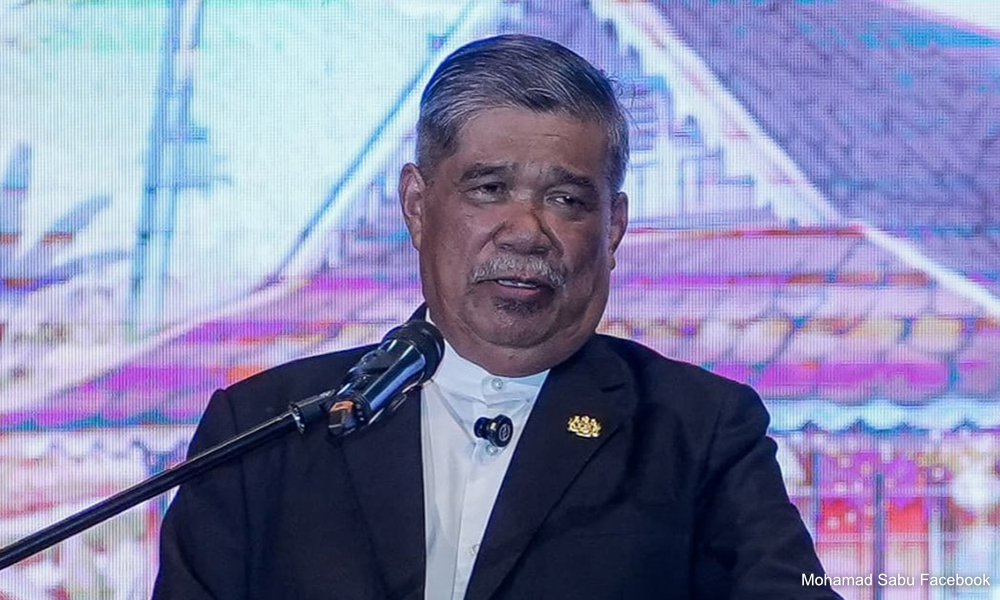
On March 13, Agriculture and Food Security Minister Mohamad Sabu called on those living in landed homes to cultivate fast-growing crops like chilli and eggplant amid the oil crisis.
It’s a good gesture, but unlikely to have a real impact, not least because many urban people are busy with jobs while their home compounds have been mostly tiled over!
It’s better for the minister to work with state governments to allocate land for organic farming, irrespective of race.
Chemical fertilisers and pesticides will be hit as oil supplies are reduced. This is a great time to boost incentives for organic agriculture, which obviously provides healthier food.
Food, garden and farm waste should be converted into compost fertilisers. Nettings, natural repellents and intercropping should be increased to reduce the use of toxic pesticides on our vegetables.
Energy conservation
The eco-advocacy group RimbaWatch said that if just 50 percent of Klang Valley folks worked from home, this would save 90 million litres of petrol per month, which translates to fuel subsidy savings of RM169 million.
If working from home goes national, this would save RM1 billion per month in subsidies.
Then we come to air conditioning, which many urban homes in Malaysia have become overly dependent on. Obviously, higher electricity charges for big users will discourage this.
Can the government also give tax incentives for homes with passive shading devices like awnings or trees?
Window tints or solar films can reduce heat entering through glass, while reflective roof paint can lower indoor temperatures by around 2°C to 5°C.
Air drying instead of using electric dryers for clothes could save up to RM50 monthly in power bills. Jug water heaters that are switched on constantly can add RM20 to RM60 monthly.
Encouraging two-wheelers
RM4 billion a month is used for fuel subsidies. What if just 10 percent of that was used to build shaded bicycle lanes in a 2km radius around MRT or LRT stations? This would make people feel safer using bicycles or e-scooters to reach stations.
Tiny Singapore has over 730km of cycling paths connecting homes to MRT and bus stations, shopping malls, schools and food courts. This also boosts healthy exercise.
Many people lament the loss of the old, relaxed Penang because of incessant traffic jams. What if the state restricts cars entering the city according to the number plates?
This will encourage more car pooling. Even better, can the Pearl of the Orient return to the 1960s and 1970s when Honda motorbikes were widely used on the island’s narrow roads and traffic was smooth?
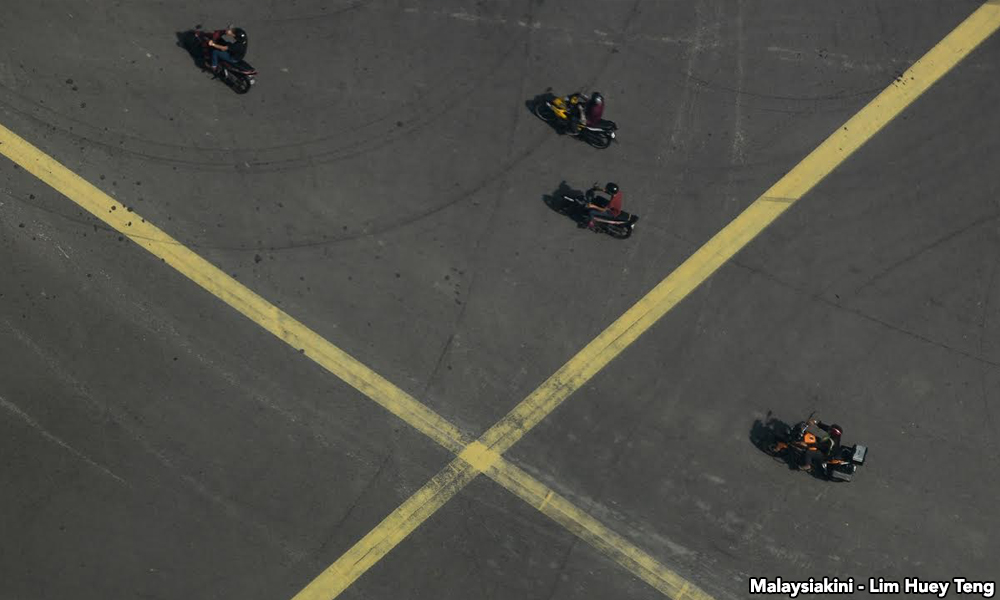
Road safety must be ramped up so that fuel-saving two-wheelers can use the roads with more security. What’s really needed is ensuring there’s no “kautim” (settling) in enforcement against reckless drivers.
We have multiple methods to deal with the oil crisis, be it increasing organic farming and solar power or raising energy conservation. We can reduce car usage and boost two-wheeled vehicles.
But we need leadership from Putrajaya to lead a nationwide transformation on all this. - Mkini
ANDREW SIA is a veteran journalist who likes teh tarik khau kurang manis. You are welcome to give him ideas to brew at tehtarik@gmail.com.
The views expressed here are those of the author/contributor and do not necessarily represent the views of MMKtT.

No comments:
Post a Comment
Note: Only a member of this blog may post a comment.