


THE nature of work is shifting more rapidly than ever before. Once, stability was defined by a steady job, incremental promotions, and the promise of retirement after decades of service.
Today, that model no longer feels secure for many professionals. Rising living costs, economic uncertainty, and an increasingly competitive job market have prompted individuals to rethink what security and success truly mean.
In this evolving landscape, side gigs have moved from the margins into the mainstream. What was once seen as supplementary income or a stopgap measure is now being embraced as a serious and sustainable way to build a real, thriving business, even from the ground up.
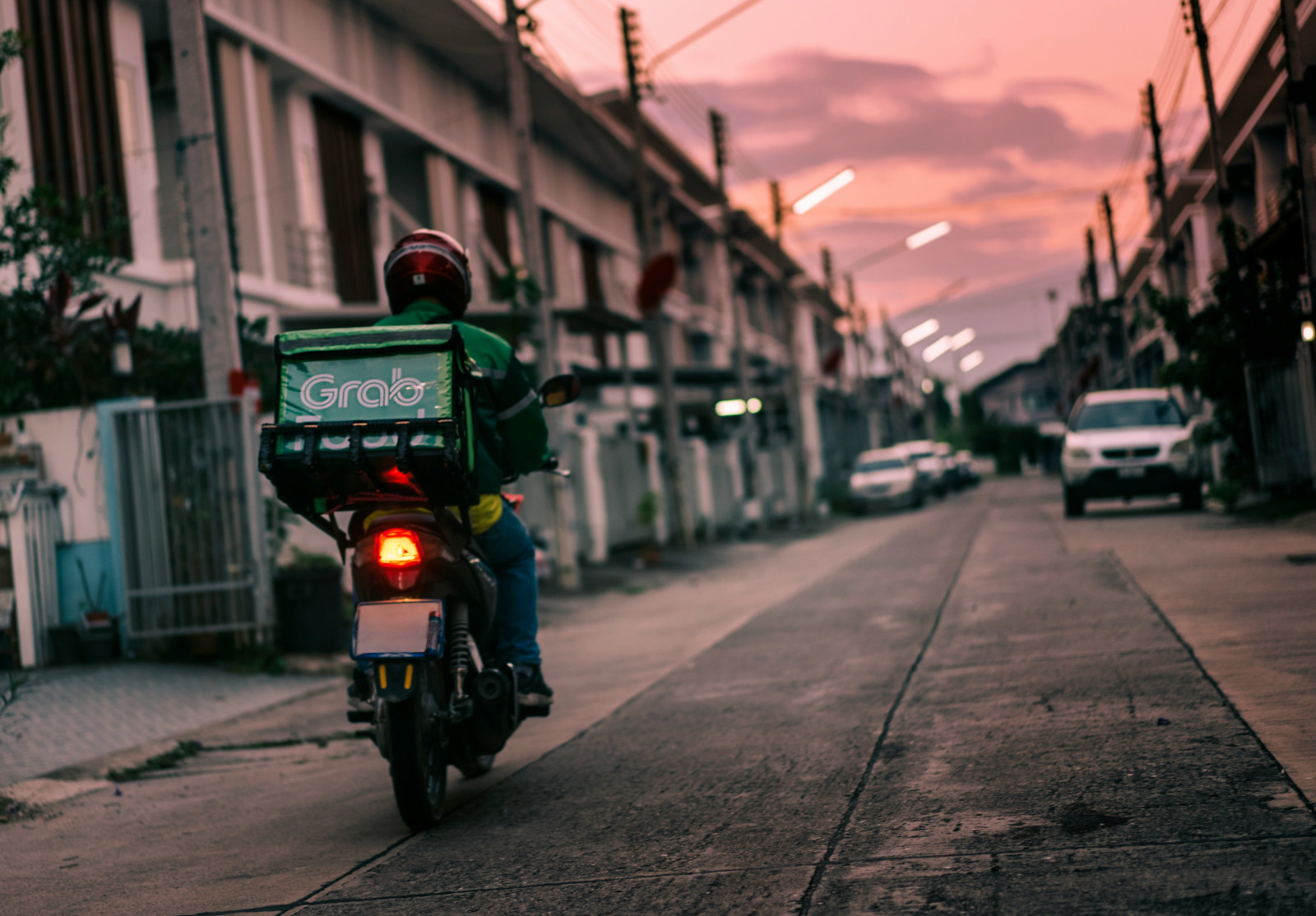
Across Malaysia and beyond, professionals are discovering that side gigs and side hustles not only provide financial buffers but also open doors to flexibility, growth, and limitless opportunities, leading to long-term reinvention.
The appeal lies in accessibility. Digital tools and global platforms have democratised opportunities once reserved for niche industries. Skills such as digital marketing, funnel design, content creation, and copywriting are no longer the domain of specialists in large firms.
With the right training and guidance, they are within reach of students, stay-at-home parents, and even retirees seeking renewed purpose. In this way, the gig economy is no longer defined by age, background, or gender, but by willingness to learn and deliver value.
Still, scepticism remains. Freelancing has long carried the perception of instability. Yet experience shows that when approached strategically, freelancing can be one of the most reliable and empowering ways to work.
The key lies in building credibility, cultivating long-term client relationships, and showing up with professionalism in a crowded digital marketplace.
When freelancers prioritise quality and ethical delivery over shortcuts and gimmicks, they not only earn repeat business but also position themselves as trusted partners in a fast-changing economy.
Businesses, too, are paying attention. As talent becomes more mobile and employees increasingly pursue flexible alternatives, organisations are beginning to rely on freelancers for specialised expertise and agile support.
With the rise of social media platforms, influencer marketing, and other trends, the focus is now on hiring and retaining freelancers who possess skills in writing, website design, video editing, email marketing, and providing virtual assistance.
This shift forces companies to rethink retention strategies while simultaneously creating new opportunities for collaboration with independent professionals.
The rise of skilled side-gig workers signals not the erosion of the traditional workforce, but the emergence of a hybrid model where employment and entrepreneurship coexist.
For policymakers, educators, and corporate leaders, the implications are clear. Side gigs are no longer peripheral to the economy. In fact, they are central to how modern careers are built.
They represent not only a way to supplement income but also a pathway to achieving real financial goals, time freedom, location freedom, dignity, and real control in uncertain times.
The challenge ahead is not whether this shift will continue, but how individuals and institutions alike will adapt to it.
The future of work is not a question of choosing between stability and independence. It is about recognising that stability itself is being redefined. And in this new definition, side gigs are not a risk. They are an opportunity.
Kristy Ting is the founder of Side Gig Accelerator.
The views expressed are solely of the author and do not necessarily reflect those of MMKtT.
- Focus Malaysia

No comments:
Post a Comment
Note: Only a member of this blog may post a comment.