


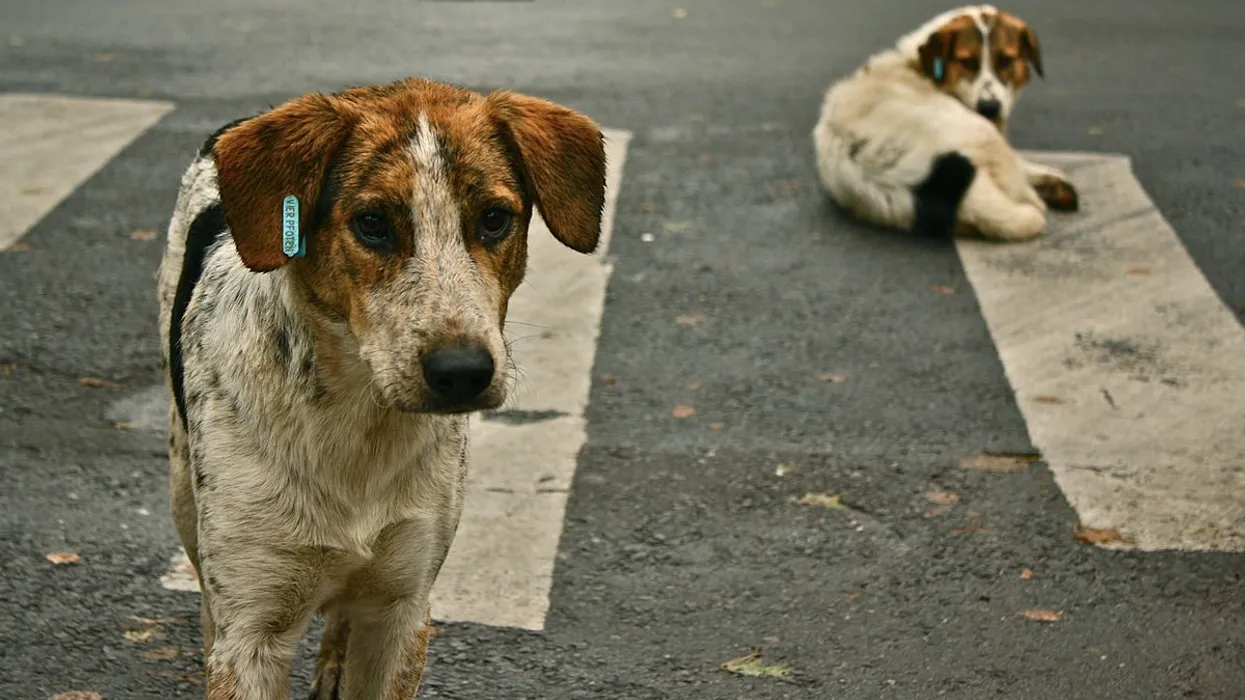
MANY of us have seen it, either in person or through videos shared online. A frightened stray dog is roped by the neck, dragged across the ground and hoisted into the back of a truck.
It is an unsettling sight that raises a simple question: is this really the best way to manage the problem?
There is no denying that stray dogs can pose genuine challenges. They can spread disease, cause traffic accidents and, in some cases, become aggressive. Local councils have a responsibility to protect public safety, and few would argue that the issue should simply be ignored.
But there is an important distinction between managing stray animals and treating them with unnecessary cruelty.
Stray dogs experience fear, pain and stress like any other animal. Being homeless does not mean they lose the right to humane treatment. The way we care for the most vulnerable, including animals, reflects the values of our society.
The first step is to ensure that those tasked with capturing stray dogs receive proper training. Animal handlers should be equipped not only with the right tools but also with the knowledge to use them safely and humanely.
They should be able to recognise the difference between a frightened animal and an aggressive one, understand canine behaviour and minimise distress during capture.
Training should also include clear welfare standards for handling and transportation. If capture poles or ropes are used, they must be handled correctly to avoid choking or causing unnecessary injury.
Humane handling is not about being lenient. It is about carrying out enforcement professionally.
Local councils should also work more closely with animal welfare organisations. These groups have practical experience in animal handling and can contribute to the development of humane capture protocols and training programmes.
Their involvement would also help strengthen public confidence that enforcement is being carried out responsibly.
Greater transparency would further improve accountability. Councils should establish clear procedures for members of the public to report concerns about the treatment of captured animals, while independent observers could be invited to monitor operations where appropriate.
However, humane capture alone will not solve the problem.
Lasting solutions require sustained sterilisation programmes to control stray populations, vaccination campaigns to protect both animals and the public, and stronger enforcement against irresponsible pet ownership.
Owners who abandon their pets or allow them to breed unchecked must be held accountable through appropriate penalties and public education.
The welfare of captured animals should also extend beyond the point of capture. Transport vehicles should provide adequate ventilation and sufficient space to minimise stress and injury.
Animals that are sick or injured should receive prompt veterinary attention rather than being left to suffer unnecessarily.
Ultimately, public safety and animal welfare should not be viewed as competing priorities. Effective stray dog management protects communities while ensuring that animals are treated with dignity and compassion.
State governments and local councils should take this opportunity to review existing procedures, invest in proper training and strengthen collaboration with animal welfare organisations.
Choosing compassion does not weaken enforcement. It strengthens it by demonstrating that a civilised society can protect both its people and the animals that depend on its care.
KT Maran is a Focus Malaysia viewer.
The views expressed are solely of the author and do not necessarily reflect those of MMKtT.
- Focus Malaysia.

No comments:
Post a Comment
Note: Only a member of this blog may post a comment.