


The Attorney-General’s Chambers dismissed claims that the court ruling over former premier Najib Abdul Razak’s house arrest bid has reduced the powers of the Malay rulers and governors when it comes to pardons.
It stressed that any move to instigate the public using false interpretations of the court’s verdict is improper, adding that everyone must respect Najib’s decision to file an appeal on the matter.
“The statement is untrue and doesn’t reflect the reasons given by the High Court.
“When rejecting Najib’s bid (for house arrest), the court stressed that the power to pardon comes under Agong’s prerogative, guaranteed under Article 42 (1) of the Federal Constitution and backed by precedents of superior courts.
“However, Article 42 also states that when exercising the function, Agong, rulers, and governors must convene a meeting with the Pardons Board,” the AGC said in a statement today.
While the AGC did not mention any names, the agency seems to be referring to Najib’s counsel Shafee Abdullah, who had claimed that the High Court’s decision to reject Najib’s bid had reduced the powers of the Malay rulers.
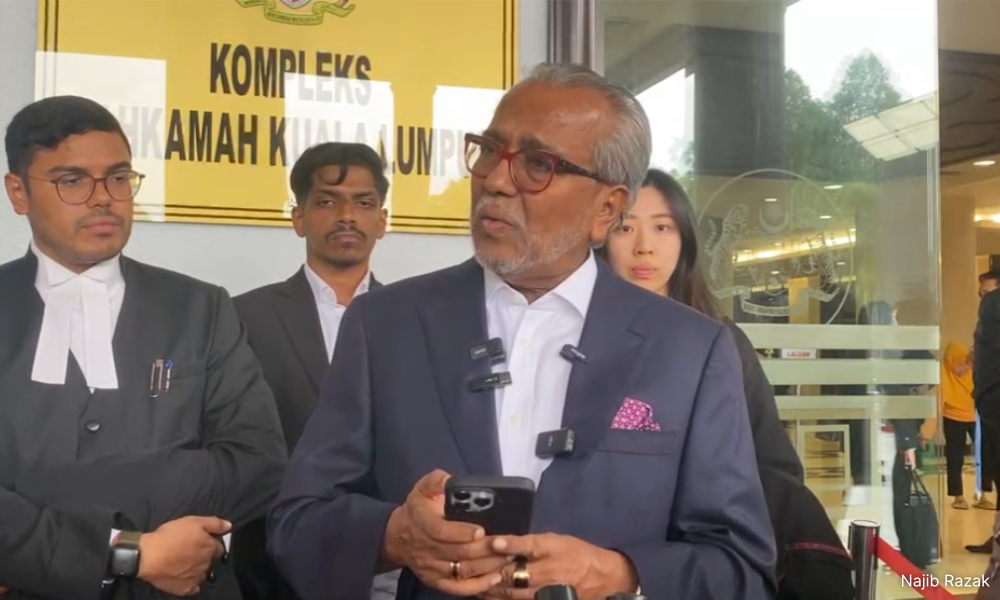
Shafee made the remark after judge Alice Loke found that the supplementary order to have Najib serve the rest of his prison sentence under house arrest, issued by the previous Agong, Sultan Abdullah Ahmad Shah, was invalid.
This is because it did not follow constitutional procedures as per Article 42 of the Federal Constitution, requiring that clemency decisions be made in consultation with the Pardons Board.
In other words, she said, the king can’t make a pardon decision independent of the board.
Addendum not discussed during meeting
Debunking Shafee’s remarks, AGC said that based on the meeting minutes of the 61st Pardons Board meeting, it clearly indicated that house arrest was not discussed in the presence of Sultan Abdullah.
The only thing discussed at the time, the AGC added, was to reduce Najib’s fine and prison sentence by half.
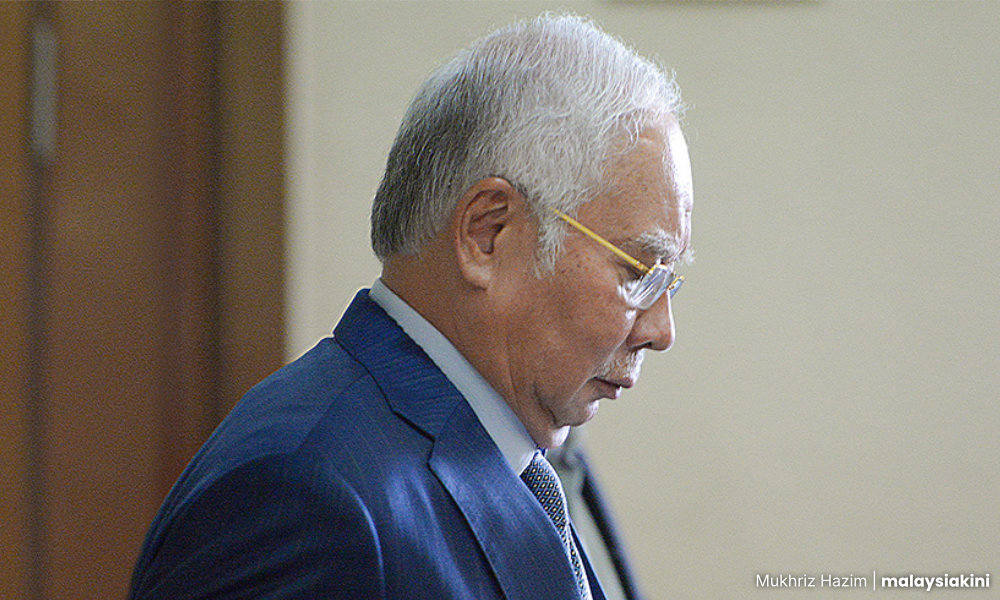
“Therefore, the learned judge ruled that the house arrest addendum was not made in line with Article 42 as the matter was not deliberated and decided when the Agong was chairing the meeting.
“This clearly shows the court’s decision doesn’t reduce the powers of the Agong, rulers, and governors when issuing pardons.
“Just that, based on Article 42 and as a nation that upholds a constitutional monarchy, the power must be exercised based on constitutional provisions,” the agency added.
Earlier today, DAP veteran Teng Chang Khim had called for Shafee to be cited for contempt of court for his remarks over the High Court decision.
He described the senior lawyer’s statement, made after the proceedings at the Kuala Lumpur High Court, as “ridiculous and amusing”. - Mkini

No comments:
Post a Comment
Note: Only a member of this blog may post a comment.