


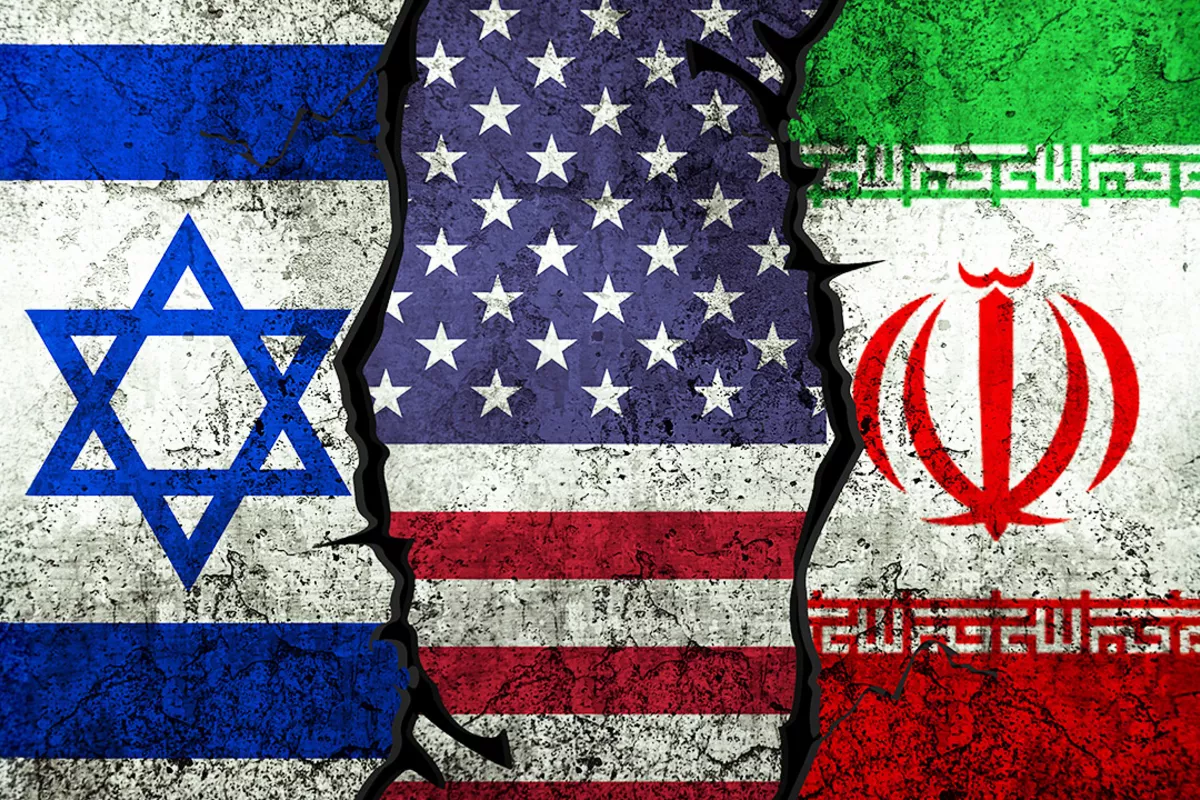
THE enduring relevance of Edward Said’s Orientalism lies in its central claim: the “West” constructs the “Orient” as irrational, unstable, and in need of control. This discourse is not merely cultural; it legitimises geopolitical strategies, economic containment, and military intervention.
Today, Said’s framework helps explain three major tensions shaping world politics: the confrontation involving Iran, Israel, and the United States (US); the US–China trade war; and Washington’s strategic anxiety over the rise of India. In each case, Orientalist narratives shape perceptions, justify policy, and influence global alignments.
First, the Iran-Israel–US confrontation reflects a classic Orientalist logic.
Iran is frequently portrayed in Western political discourse as ideologically irrational, inherently aggressive, and incapable of responsible state behaviour.
Such framing reduces complex domestic politics, regional rivalries, and security calculations into a civilisational narrative: a “radical” East threatening a “democratic” West. This helps legitimise sanctions, diplomatic isolation, and military posturing.
Yet, from a strategic perspective, Iran’s behaviour—support for proxies, missile development, and deterrence strategies—can also be interpreted as rational responses to encirclement, regime insecurity, and historical intervention.
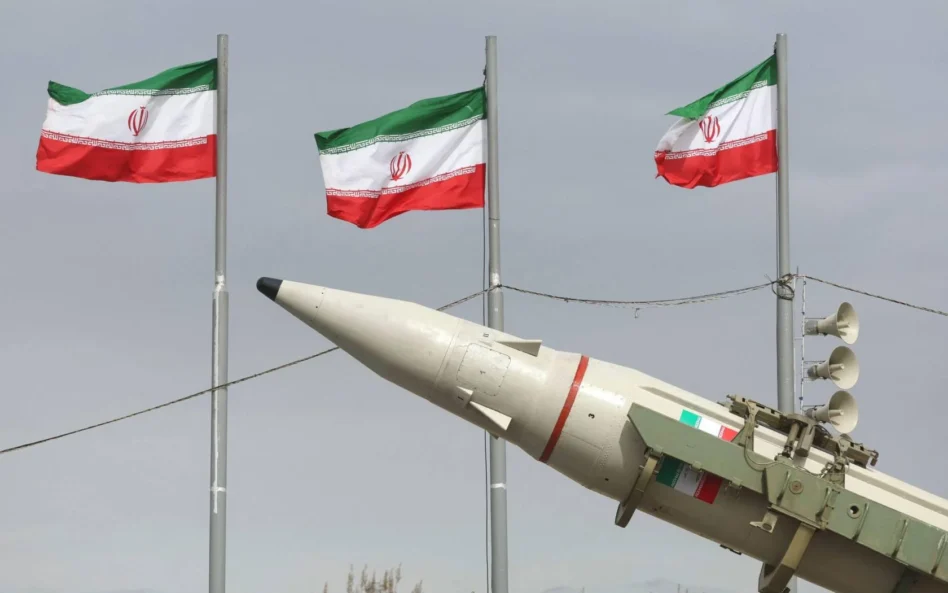
The Orientalist lens becomes clearer when comparing how different actors are judged. Israel’s security doctrine, including pre-emptive strikes and deterrence, is framed as defensive and rational. Similar actions by Iran are described as destabilising and extremist.
Said argued that Orientalism produces this asymmetry: Western-aligned actors are treated as rational subjects, while non-aligned Eastern actors are cast as irrational objects. The consequence is a policy environment where escalation becomes easier to justify.
Military confrontation is not only strategic; it is narrated as a necessary defence of civilisation against chaos. This reduces diplomatic space and entrenches zero-sum thinking.
Second, the US–China trade war illustrates how Orientalism adapts to economic competition.
China is often described in Western policy debates as opaque, authoritarian, and unfair: an economic actor that cannot play by “rules-based” norms.
While concerns about subsidies, intellectual property, and industrial policy may be valid, the rhetoric often shifts from economic critique to civilisational suspicion. China’s technological rise is portrayed not only as competition but as a systemic threat.
This narrative echoes Orientalist assumptions that non-Western modernisation is inherently dangerous or deceptive.
Such framing justifies tariffs, export controls, and technological containment, particularly in semiconductors, AI, and telecommunications. The conflict becomes less about trade and more about preserving Western dominance.
Said’s insight is evident: Orientalism sustains power hierarchies by presenting Western leadership as natural and Eastern advancement as disruptive.
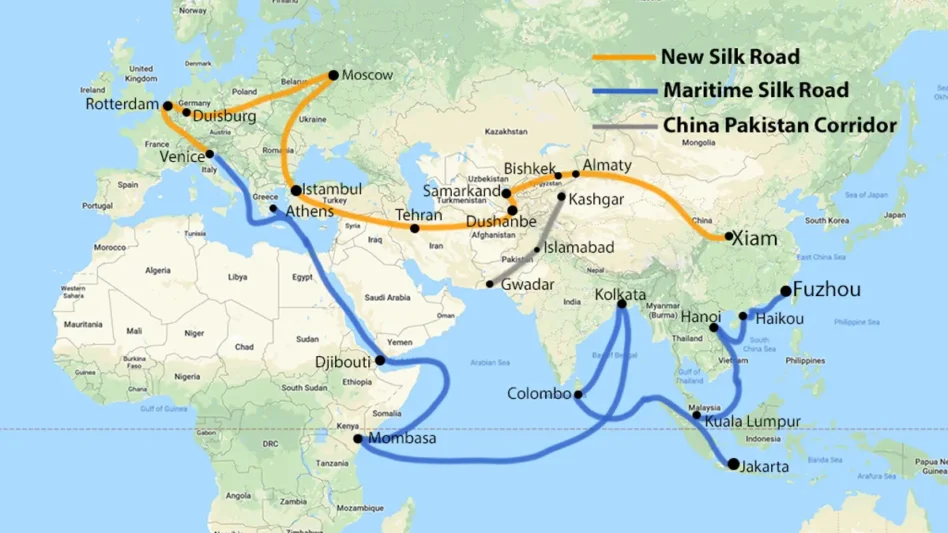
China’s Belt and Road Initiative, for example, is often depicted as coercive expansion, while similar Western-led economic influence has historically been framed as development assistance. This discursive asymmetry reinforces strategic competition and deepens geopolitical fragmentation.
Third, the US response to India’s rise presents a more complex variation of Orientalism.
India is not framed as a threat in the same way as China, but as a “manageable” rising power that can be integrated into Western strategic frameworks. This reflects selective inclusion within an Orientalist hierarchy.
India is encouraged as a counterweight to China, yet scepticism remains about its strategic autonomy, economic nationalism, and independent diplomacy. When India pursues non-alignment—such as buying Russian energy or maintaining ties with Iran—it is often criticised as unreliable.
This reveals another dimension of Orientalism: acceptance is conditional. Non-Western powers are welcomed when aligned with Western interests, but questioned when acting independently.
India’s rise challenges traditional hierarchies, yet discourse attempts to shape it into a partner rather than an equal pole.
Said’s theory helps explain how narratives of “shared democracy” coexist with unease about India’s sovereign decision-making. The result is a balancing act: cooperation alongside subtle pressure to conform.
Across these three cases, Orientalism operates as a strategic narrative.
It constructs hierarchies of rationality, legitimacy, and acceptable power. States aligned with Western interests are portrayed as responsible actors, while those outside the framework are depicted as destabilising.
Economic competition becomes ideological confrontation. Military deterrence becomes civilisational defence. These narratives influence public opinion, diplomatic options, and alliance formation.
For Malaysia, the lesson is critical.
As a middle power in Southeast Asia, Malaysia must avoid internalising binary narratives of West versus East. Strategic autonomy requires recognising how great-power discourse shapes policy choices.
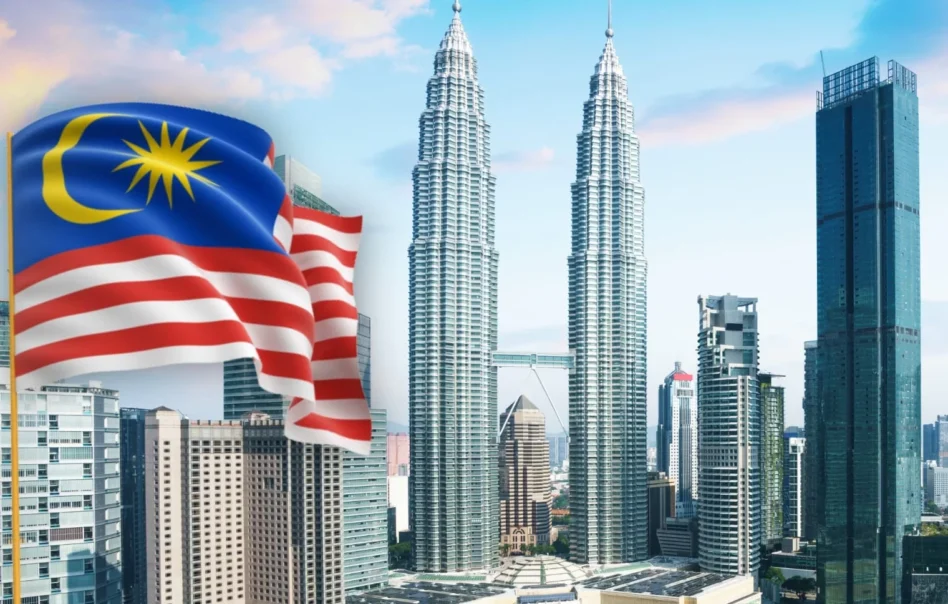
Malaysia should resist being drawn into ideological camps, whether in US–China competition or Middle Eastern alignments. Instead, it should emphasise multilateralism, non-alignment, and pragmatic engagement.
Blindly adopting Western security narratives risks undermining regional stability and ASEAN centrality.
Malaysia must also be cautious about economic alignment. The US–China rivalry pressures smaller states to decouple supply chains or adopt restrictive policies.
A Said-inspired perspective suggests evaluating interests independently, rather than accepting narratives of “trusted” versus “untrusted” partners.
Malaysia benefits from diversified economic relations, technological cooperation, and avoiding the securitisation of trade.
Finally, Malaysia should invest in intellectual independence. Orientalism operates through knowledge production: media framing, policy analysis, and academic discourse. Developing local perspectives helps prevent external narratives from dominating policy thinking.
Malaysia’s diplomacy has historically emphasised neutrality and dialogue; maintaining this tradition is essential in an era of intensifying rivalry.
Said’s insight remains powerful: global conflicts are not only struggles over territory or trade but also contests over representation. The Iran–Israel–US confrontation, the US–China trade war, and the management of India’s rise all reveal how narratives shape power.
Recognising these dynamics allows smaller states like Malaysia to navigate geopolitical competition with caution, autonomy, and strategic clarity.
R. Paneir Selvam is Principal Consultant at Arunachala Research & Consultancy Sdn Bhd (ARRESCON), a think tank specialising in strategic and geopolitical analysis.
The views expressed are solely of the author and do not necessarily reflect those of MMKtT.
- Focus Malaysia.

No comments:
Post a Comment
Note: Only a member of this blog may post a comment.