


Available data indicate that a massive, unsustainable financial burden is looming large if oil prices continue to be uncertain and the government shields the country from the vagaries of market forces.
They cannot afford it but are being stymied by the desperate, perhaps futile, need not to offend public opinion in the next polls, which pundits predict to be soon.
That puts off badly needed subsidy reform to buttress revenues in the face of crisis.
A major problem with fuel subsidies is the lack of proper, well-presented data. It’s still instructive to look at available data and draw valid conclusions.
Prime Minister Anwar Ibrahim said something significant on June 7, and this was reported on the Finance Ministry website.
Let’s quote verbatim for it’s not very clear what he says: “How much can we cover in a month? Not in the old allocation, but when the price of oil rose, we paid RM5 billion, RM3 billion (increase?) a month.
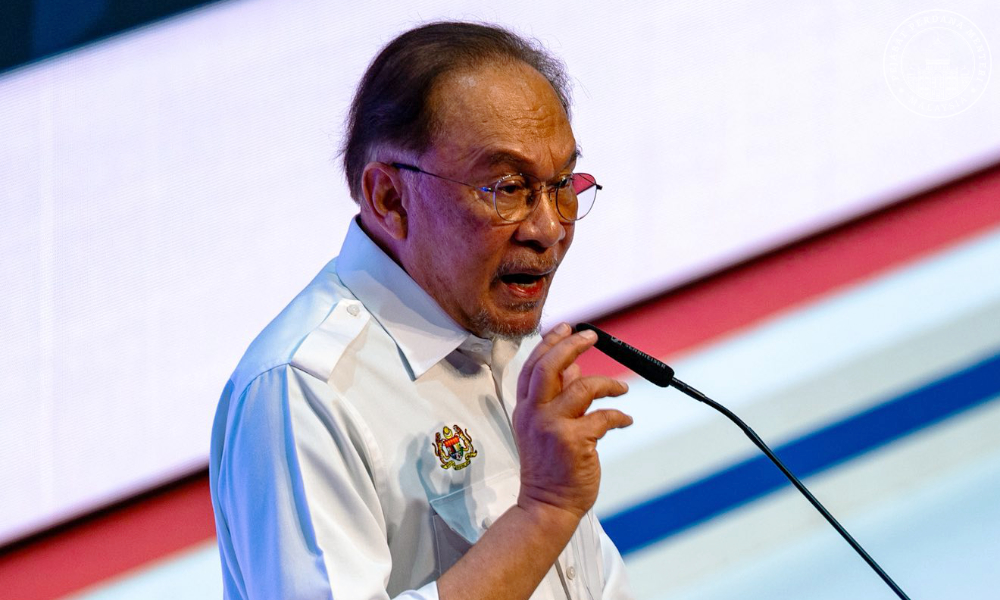
“Then it went up to RM7 billion a month, now it has gone down to RM4 billion,” he said.
Anwar stated that if the government released RM3 billion every month for a period of 10 months, the total would reach RM30 billion, adding that although the amount was high, the government could cover it through austerity measures in addition to stopping the leakage of national funds.
Ominous signs of cutback
If we assume it’s RM4 billion a month, that’s RM48 billion a year. We are not so well off that the government can recover this through austerity measures without seriously affecting services. There are ominous signs already.
According to a press report, the government is planning to cut RM10 billion because of rising oil prices in its austerity budget, with RM3 billion for the Health Ministry alone, which means major cuts for already hard-pressed hospitals. Other cuts include education.
If oil prices remain high, that RM10 billion cut will not be anywhere near what’s needed to fill the government revenue gap.
One should expect even more hardship for the country with hospitals running out of money and supplies, and education allocations cut.
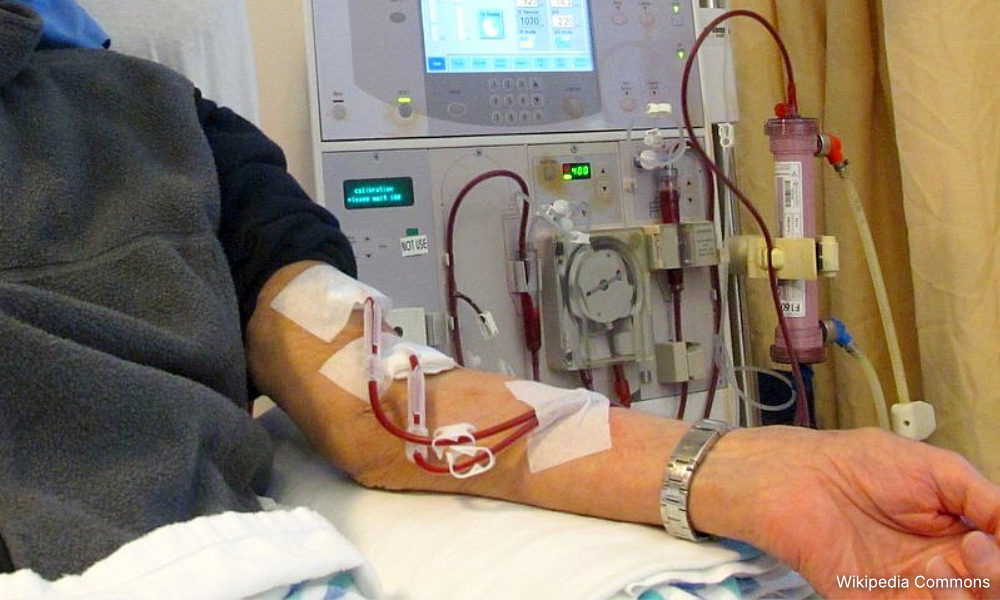
All because we want our motorists and others to pay a low fuel price when the market price is two times that, with the burden falling on essential services such as health and education.
What a ridiculous policy, which shields a relatively small section of the public by subsidising and encouraging wasteful expenditure, while the emphasis should be on providing better healthcare, living standards, and good education for the broader public.
Subsidies worth over RM11b
A parliamentary reply provides some additional data, which paints an ugly picture too.
According to a report by The Edge yesterday, in the eight months since the implementation of the Madani government’s programmes up to April, subsidies on RON95 alone amounted to RM11.2 billion, or just over half of gross sales of RM22 billion.
We are not even talking about diesel, gas, and electricity subsidies yet.
Here are some killer statistics already: “The Finance Ministry noted that the subsidy bill for RON95 and diesel rose more than tenfold to RM7.5 billion in April from RM700 million in January, following tensions in West Asia.
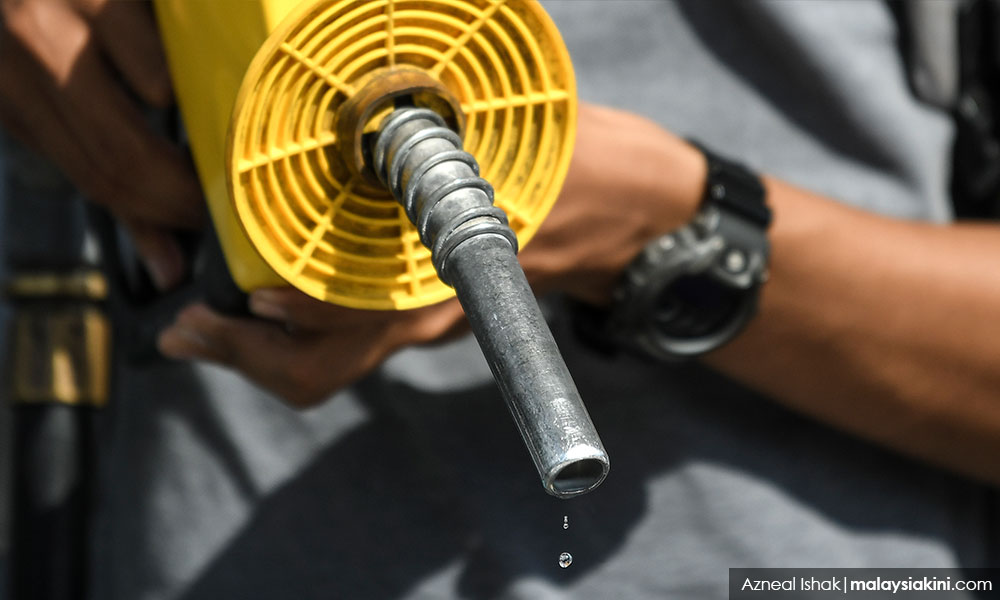
“Although Brent crude prices have since eased to below US$100 (RM413) per barrel, the ministry said current subsidy obligations based on prevailing market prices remain elevated at an estimated RM3.5 billion per month.
“Of this amount, RON95 subsidies are projected at about RM2 billion per month, while diesel subsidies account for around RM1.5 billion,” according to the press report.
The government cannot continue with this if prices rise. It must have a plan to cut the subsidies and make it completely targeted. It could prepare the public by providing relevant statistics every month.
The monthly statistics should provide market prices of fuel, their subsidised prices, the gap between the two, and the total amount of all energy subsidies, including electricity and gas.
All other relevant information should also be given. That way, comments backed by data can be made.
Despite everything that the government says, blanket subsidies will lead to considerable leakage.
Those who are eligible can simply sell their unused allocations at a discount to others on an informal basis or even on the black market. That’s about RM2 a litre now!
The simple solution
The simple solution: Everyone pays market prices at the pump. Direct grants are given to the poor based on usage and income.
Transport operators pay market prices but get some reimbursement based on demonstrable usage to keep costs down.
This was the plan that former economy minister Rafizi Ramli proposed and tried to implement, but was stopped due to politics.
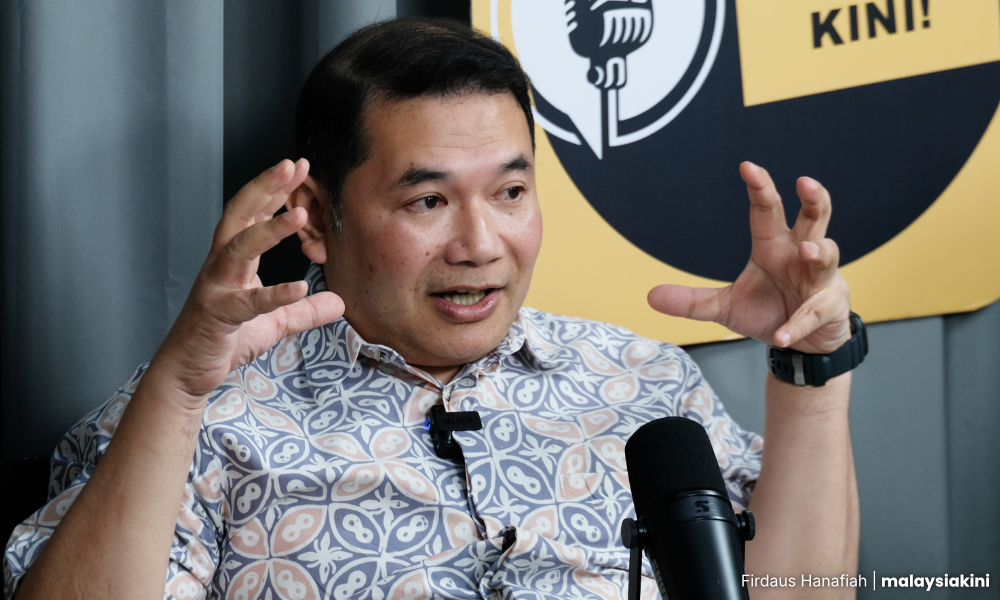
That was the right thing to do and would have resulted in pain, but ensured our financial strength in the long term.
Rafizi, along with another former PKR minister, Nik Nazmi Nik Ahmad, are spearheading a major change in Malaysian politics through a revived Parti Bersama Malaysia, or Bersama. He understands economics much better than Anwar.
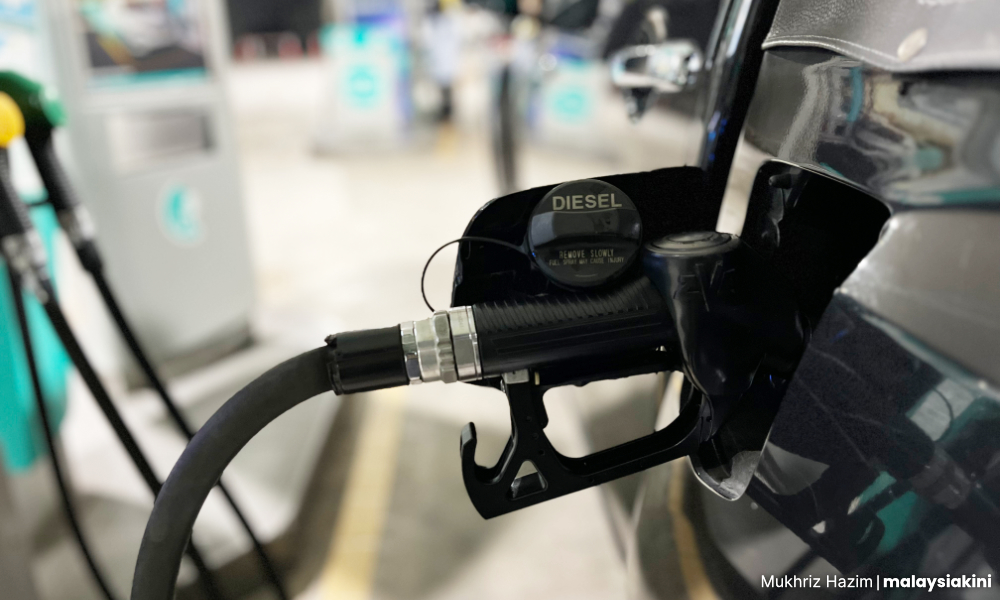
The recent plan to subsidise diesel under a similar method to RON95 petrol is retrograde.
With diesel market prices double that of pump prices for eligible people, expect leakage to continue to soar, especially since some sectors, such as fisheries, get a subsidised price, which is even lower than the current one.
There is only one reason this Madani government is not implementing the needed solution: In an environment where its credibility has fallen, it does not want to do anything that may result in further erosion of public support.
That’s one more reason why people should not support this government and its reckless ways. It’s time for change, and we should look at alternatives that can provide a better future for our country, through reasoned, informed action.
Throwing money mainly to those who are well-off while cutting essential services such as health and education is abominable.
The rakyat should firmly reject such moves by showing our displeasure unequivocally at the polls, whenever they come. - Mkini
P GUNASEGARAM says truth eventually breaks through the clutter, the noise and the spin.
The views expressed here are those of the author/contributor and do not necessarily represent the views of MMKtT.

No comments:
Post a Comment
Note: Only a member of this blog may post a comment.