


Covid-19 has shown us that drastic measures are needed if we are to save lives and stay alive.
We’ve had to walk around with face masks, use hand sanitisers, limit social interaction and basically over two years, change the way we lived.
Using this painful lesson as a yardstick, we need to deal pre-emptively with issues such as air and water pollution, both of which are acute and chronic problems that affect all levels of society.
In the context of the Feb 6 Unicef report which stated that nearly 40,000 children perish annually from air pollution-related causes in East Asia and the Pacific, immediate and long-term measures need to be formulated to address this before changes are forced upon us due to alarming circumstances.
Metropolitan cities such as Delhi in India are already facing this, where schools have to be closed, people can’t get to work, and there is an upsurge in hospitalisation due to respiratory-related illnesses.
Two key areas that need change would be legislative amendments and lifestyle alterations. Both are fairly complex as they involve multi-faceted aspects and implementation will involve some short-term pain and even pushback.
Legislative changes will require a comprehensive study of data over the past 10 years or more, identifying key sectors that contribute to air pollution - industry, types of industry (key polluters), transportation, etc. This should be done in tandem with a review of the Malaysian Clean Air Regulations 2014.
We’ve had the regulation around for the last decade. What have the positive changes been to the environment - air quality-wise, since the regulations have come into play? This will be interesting and will be a baseline gauge for us to determine a direction forward.
It must be understood that any upward change in legislation (i.e. more stringent regulation) will need to be carefully balanced with economic factors.
Raising the bar and expecting everyone to jump higher is foolish and many industries, not just the smaller ones, may find that the immediate changes required to their current way of doing things, raise costs to the point of being unsustainable - business-wise.
Engaging with industry
For industries, there will be a need for environmental audits of current operations, current compliance levels, and the costs required to make changes.
Engagement and surveys with various stakeholders will provide valuable data that will serve as a benchmark that will enable the authorities to determine if amendments to the current air quality regulations are even necessary.
Sometimes it could be a case of stepping up enforcement, mandating compulsory reporting, and ensuring that all industries that fall within the broad category of having air emissions have some sort of Environmental Management Plan (EMP).
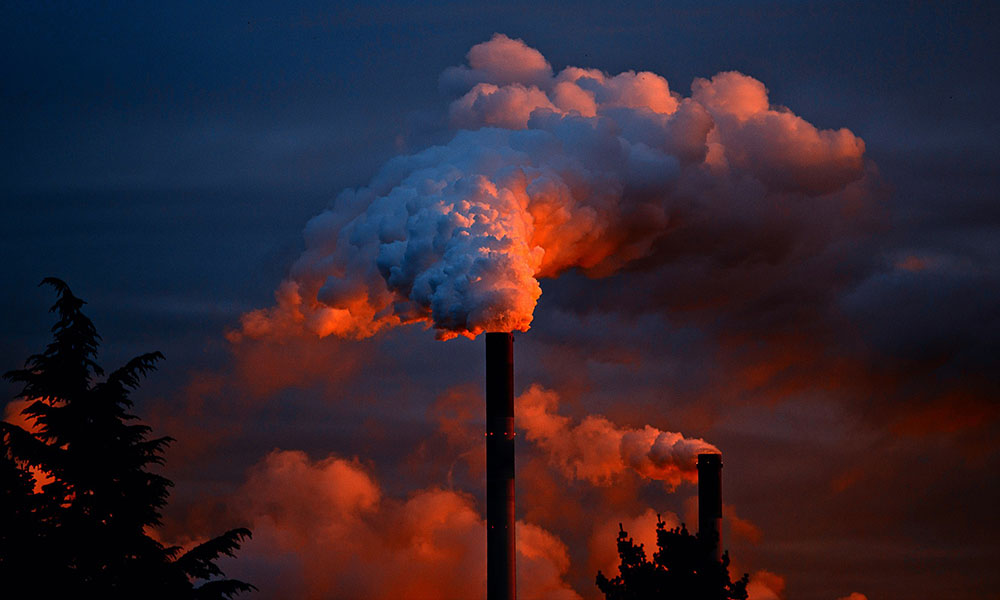
The next step will be how the plan is implemented and audited. Better maintenance programmes, independent reporting measures, and monitoring of air quality levels from chimney stacks, and ambient air levels will all help in pushing the bar higher.
Currently, it is only compulsory for industries that are subject to Environmental Impact Assessment (EIA) studies to have EMPs and environmental monitoring programmes.
Better awareness amongst industry players, highlighting the benefits of better self-regulation, and higher standards of compliance will certainly help.
The moment the industry determines that better emission levels realise greater cost savings in their financials, you can be sure that they will rush to comply. A case in point is the push towards environmental, social, and governance (ESG) compliance right now.
Nation-to-nation collaboration
Still on the subject of legislation, air pollution cannot be tackled in a silo, i.e. within the national borders alone. Nations will need to collaborate and work together. Asean and Apac will need to work as one to ensure that there is a common will to have clean air for all.
It may be tricky and possibly unrealistic as formulating a long-term plan for a common compliance level within the Apac bloc will involve complex economic-geopolitical negotiations with various concessions made to accommodate a nation’s pressing concerns.
But these are all thoughts that should be on the table and taken off one by one until we find solutions that are feasible and politically and economically viable.
For Malaysia, a good start would be for us to come to an agreement with our closest neighbours, namely Indonesia and Thailand, and tackle the transboundary haze that chokes our skies nearly every year during the dry season.
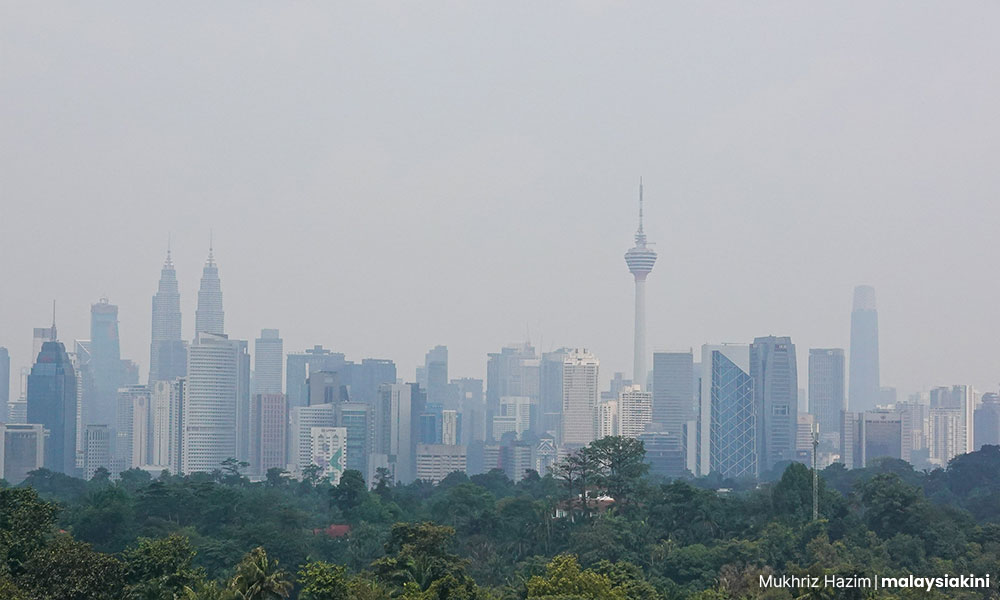
This means going after “open burning” culprits with a “zero tolerance” policy for deliberate acts of “slash and burn” in the agriculture sector and having common long-term goals for sustainable agriculture and industrial practices.
Changing how we live
The second - lifestyle alteration, will affect every aspect of our lives more directly. The best place to start will be at home.
In Malaysia, the issue of heating and usage of coal within the home environment is not a major source of indoor air pollution. However, many urban households are increasingly using more energy compared to 10 years ago, especially with almost continuous usage of air conditioning.
This is a strain on the national power grid and there will be a need for more power generation. Solar farms, while generally sustainable, require huge tracts of land to be cleared and the loss of trees and green areas deprives us of a crucial green lung that cleans our air naturally.
Beginning with better ventilation through design and architecture, and education and awareness programmes, we can start to condition ourselves that all we need is a cool environment, not a freezing cold one! More trees around the neighbourhood are definitely needed.
So developers, here’s looking at you. Good plans don’t have to be expensive, they just need forward-thinking minds, the right expertise, and a commitment to develop sustainably.
Still on lifestyle, here’s the big one. Transportation. The sheer number of vehicles on our roads is possibly the largest contributor to air pollution, next to industry-related air pollution.
Again Covid-19 has shown us that getting cars off the streets causes an almost immediate and definite improvement in our air quality levels.
Remember photos of blue skies and clouds? Okay, forget the eerily empty sidewalks. The point here is that more efficient public transport, which is both safe and convenient to consumers, will certainly bring our Air Pollution Index down.
The government and private sector are already working together to get mass transport systems in our major cities. With intercity and international travel also becoming more efficient (electric train service [ETS], rapid transit system [RTS], the high-speed rail[ HSR] concept, etc), hopefully in the not-too-distant future, we will have the same cheap and efficient intercity connectivity that the European nations have.
Move forward with work-from-home
On that note, the work-from-home concept, whilst not perfect, was a good demonstration that we could still get things done without having to get into our cars and travel across town for a meeting.
I think the government should lead by example here. Meetings with external parties (i.e. those not working in the same office or department) can be conducted via online platforms. The IT infrastructure can be improved (a one-off expense) and things can move forward from there. With 5G connectivity widely available, this should be an immediate requirement.
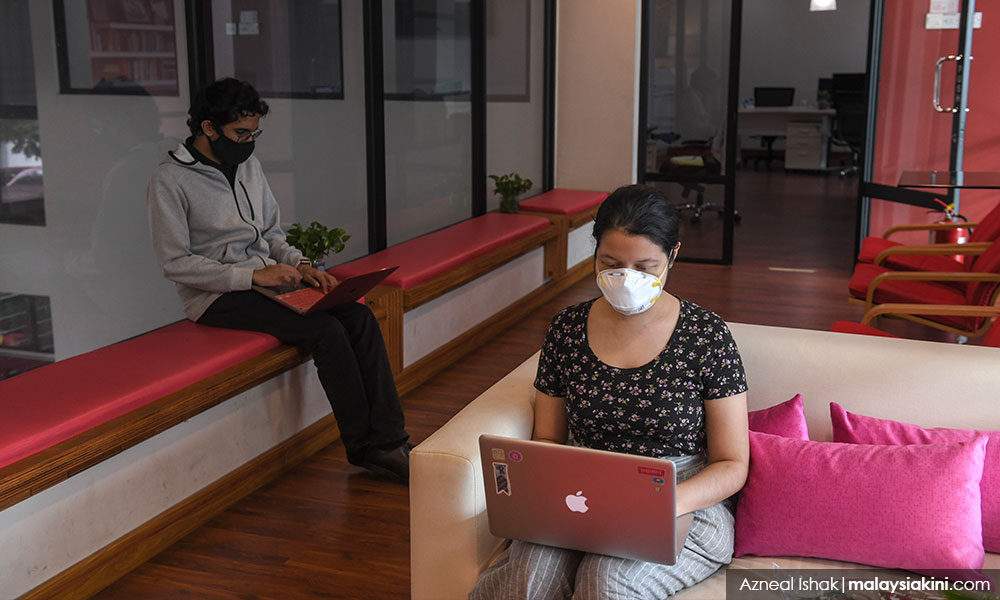
The cost savings (petrol, toll, time, and energy) will all add up. Also, it will be a demonstration of commitment to move forward with the times, using the already available technology at our disposal, rather than sticking to the same old ways of doing things.
Of course, there are times when a face-to-face meeting beats staring at a screen but let’s face it, most times online platforms are good enough to get the message across.
There are so many other areas that we can look into but the above would be a solid start. Air pollution and its repercussions on public health is a serious matter. It requires all parties - the government, the private sector, and all of us in our individual capacities to work to improve things.
We need to remember that nothing is green in the true sense of the word. Finding that balance and making gradual incremental changes will go a long way.
That is progress and improvement. It doesn’t have to be expensive, it doesn’t have to be painful, but it will be life-changing and hopefully life-saving. - Mkini
JOEL LAWRENCE JAYASUNTHAR is an advisor of the Green Earth Society and environmental consultant at Asian Environmental Solutions Sdn Bhd.
The views expressed here are those of the author/contributor and do not necessarily represent the views of MMKtT.

No comments:
Post a Comment
Note: Only a member of this blog may post a comment.