


Putrajaya should reconsider the threshold for small and medium enterprises (SMEs), amid the revision of the Sales and Service Tax (SST) scope and rates, starting July 1.
In making the call, the Small and Medium Enterprises Association Malaysia (Samenta) said the consideration is needed to minimise the impact on SME profitability and consumer prices.
Samenta president William Ng said micro and small enterprises, as defined by the SME central coordinating agency SME Corp, should be exempted from the tax revision and expansion.
Alternatively, he said there should be, at the very least, a revised threshold of RM2 million in annual turnover, up from the current RM500,000.
This, he said in a statement, would ensure that only medium and larger businesses fall within the expanded scope.
Finance Minister II Amir Hamzah Azizan announced yesterday that a zero percent sales tax on necessities will be maintained, while non-essential goods will see a tax of between five and 10 percent.
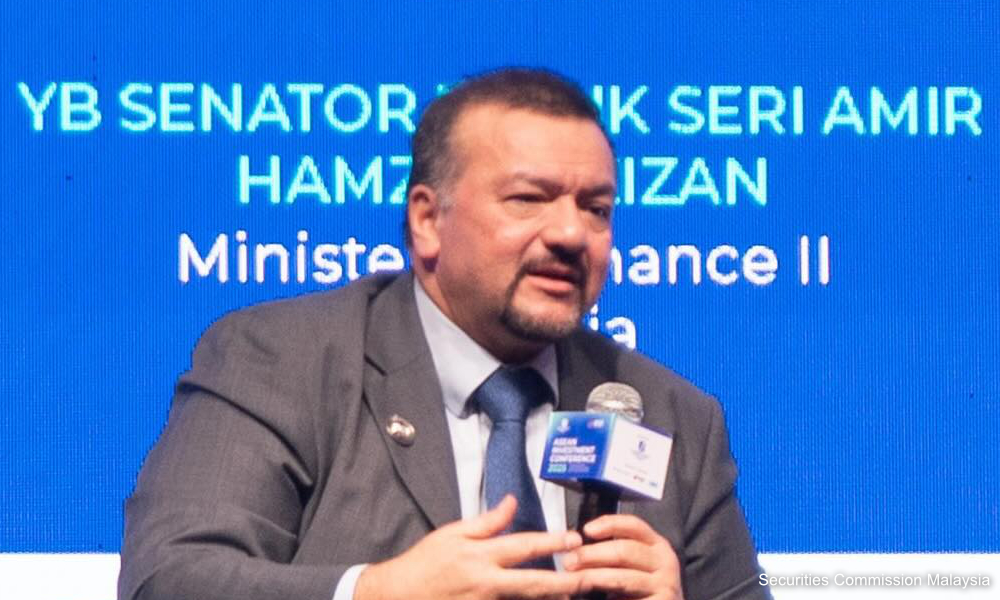
The minister said the measures are designed to improve the quality of the country’s social safety net without burdening most Malaysians.
SMEs under pressure
Ng said that while the government’s intention to strengthen its revenue is understandable, the timing and manner of the implementation raise serious concerns for SMEs, which are already under tremendous pressure.
He noted that SMEs are navigating a challenging operating environment marked by high input costs, tighter consumer spending, and softening external demand.
The upcoming expiration of the United States’ reciprocal tariff pause on July 8, he added, threatens to further dampen Malaysia’s export competitiveness and expose SMEs to retaliatory trade measures at a time when the industry can least afford it.
“Against this backdrop, the expansion of the SST without sufficient exemptions or a higher threshold for SMEs risks compounding the cost burden on businesses that are least equipped to absorb it.
“This impact is not limited to raw material costs, but extends to rent and business-to-business services that will now fall under the SST’s expanded scope.
“These increases will almost certainly be passed on to consumers, further driving up the cost of living,” he cautioned.
Questions linger
Ng also urged the Customs Department to immediately issue sector-specific guidance to help SMEs determine their obligations under the expanded scope, without having to consult tax agents.
“Without clarity, many SMEs risk accidental non-compliance, despite the enforcement grace period until the end of 2025,” he explained.
He also said the department must clarify whether, during this transition period, it is acceptable for businesses to apply SST at the point of invoice, instead of the point of collection.
He noted that many businesses would have issued invoices in prior months, creating uncertainty on tax liability under the expanded regime.
“Samenta supports the development of a fair, progressive, and transparent tax framework that broadens the base while protecting the country’s entrepreneurial assets.
“However, this must be done in a calibrated manner, with genuine stakeholder consultation and alignment with current economic realities,” Ng said.
He added that while the association was given a briefing on the expanded SST, it would not consider the session as a “consultation” as it was presented as fait accompli, or a matter that had already been decided. - Mkini

No comments:
Post a Comment
Note: Only a member of this blog may post a comment.