Break the corruption cycle - why institutional reforms matter
As we approach the 16th general election (GE16) in less than two years, it’s worth reflecting on a question many Malaysians are quietly asking: what happened to the institutional reforms we were promised?
When the people voted for change in 2018 and again in 2022, it wasn’t just about swapping leaders or political parties. It was about wanting something deeper - a real transformation in how this country is governed.
People were fed up with corruption, abuse of power, and policies that seemed to benefit the few rather than the many. They longed for good governance, a strong rule of law, and a system that works fairly for everyone.
But here we are, nearly eight years since that historic moment in 2018 and three years into the Madani government, and much of what was promised remains unfulfilled.
We still hear about high-level corruption, such as the Sabah mining scandal. We still see double standards when it comes to the law.
The excuse that “institutional reforms take time” is wearing thin. If you’re leading the government, then lead. If you’re the prime minister, then act like one. The rakyat have waited long enough.
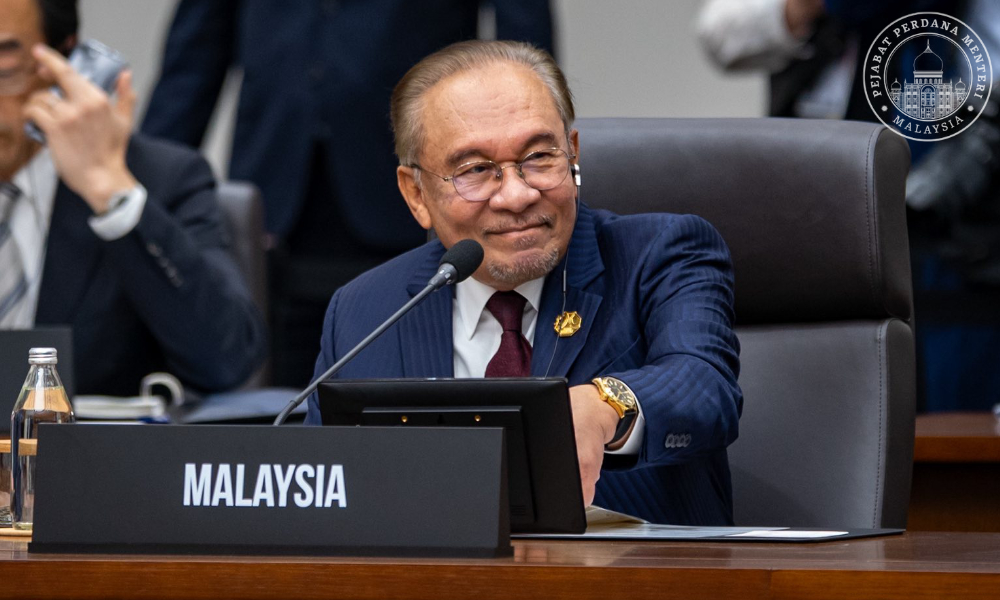
Prime Minister Anwar Ibrahim
Across the world, we see examples of what happens when a country changes its leaders but not its systems. In the Philippines, Myanmar, and even Indonesia, democratic transitions have stumbled or regressed because the structures of authoritarianism were never truly dismantled.
Let’s not repeat their mistakes. It’s not enough to cheer when one party or person replaces another. We must focus on fixing the broken machinery of governance - the institutions, laws, and procedures that allow abuse and corruption to flourish.
Even established democracies, such as the United States, are not immune. Under Donald Trump, we saw how norms and traditions, once thought to be guardrails, failed to prevent the misuse of power.
That’s because norms only work when leaders have a sense of honour and shame - qualities that are increasingly rare in politics these days.
To protect democracy, we need to go beyond the wishful thinking of good intentions and dependence on “good” people. We need laws that are clear, enforceable, and apply to everyone, regardless of their position.
Some progress, but structural reforms needed
To be fair, the Madani government has made some progress.
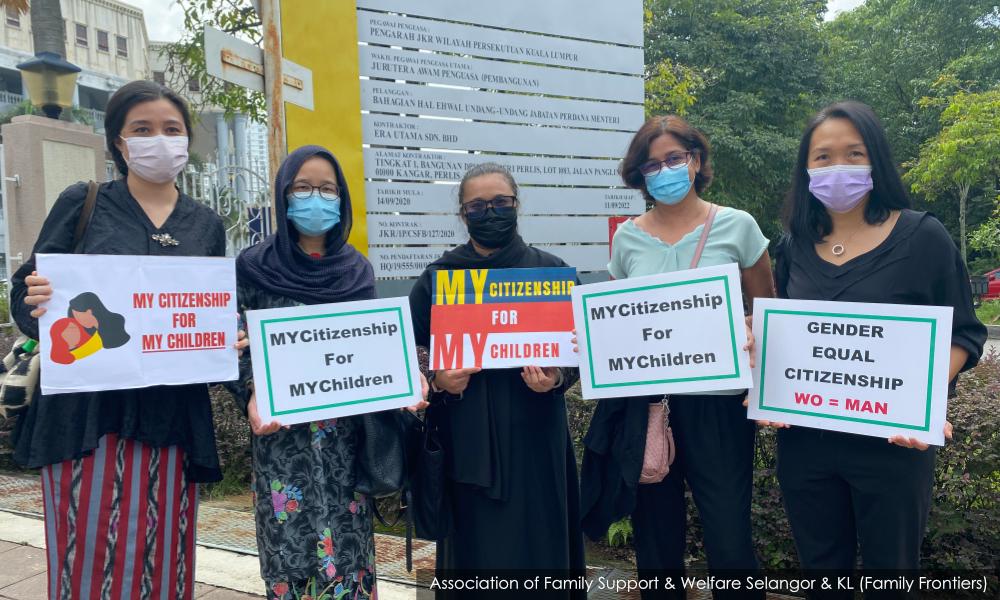
In the last three years, we’ve seen several reforms, such as the Abolition of Mandatory Death Penalty Act 2023, Public Finance and Fiscal Responsibility Act 2023, amendments to grant citizenship to overseas-born children of Malaysian mothers, Malaysian Media Council Act 2025, Parliamentary Service Act 2025, and the strengthening of parliamentary select committees, including making them permanent and increasing their capacity.
Mothers protest for citizenship for their overseas-born children
These are positive steps - but they are not enough. The need for reforms that are structural in nature is much bigger than what has been delivered so far.
On Dec 30, 2025, 64 civil society organisations (CSOs) endorsed a statement by Projek Sama urging the government to take bolder action. They outlined 10 critical reforms needed in 2026 to restore public confidence:
Setting a 10-year term limit for prime ministers.
Reform the MACC to make it fully independent and accountable.
Reform the Election Commission (EC) to enable parliamentary oversight instead of control by the Prime Minister’s Office.
Separate the roles of the attorney-general from that of the public prosecutor.
Enact the Political Financing Act, with a component for public funding of political parties.
Allow out-of-region voters in Sabah, Sarawak, and West Malaysia to vote as absentee voters.
Expand the Dewan Rakyat and Dewan Negara seats with allocations to Sabah, Sarawak, and under-represented states in the peninsula.
Enact laws to allocate equitable Constituency Development Funds (CDF) to all elected representatives regardless of party affiliations at both the federal and state levels.
Aim for a minimum of 30 percent women’s representation for the Dewan Rakyat and all state legislatures through electoral innovations or funding.
Allow residents of the Federal Territories of Kuala Lumpur, Putrajaya, and Labuan to elect their own local governments.
Each of these reforms strikes at the heart of the problem: a system that concentrates too much power in the hands of too few, with too little accountability.
Sabah election signals urgent system reforms
The recent Sabah election was a wake-up call. It showed that voters are not only disillusioned with opposition parties but also disappointed in the governing coalition. People want real, visible change - not just speeches and slogans.
Democracy is not just about elections. It’s about accountability. It’s about ensuring those in power can’t misuse their positions without consequences.
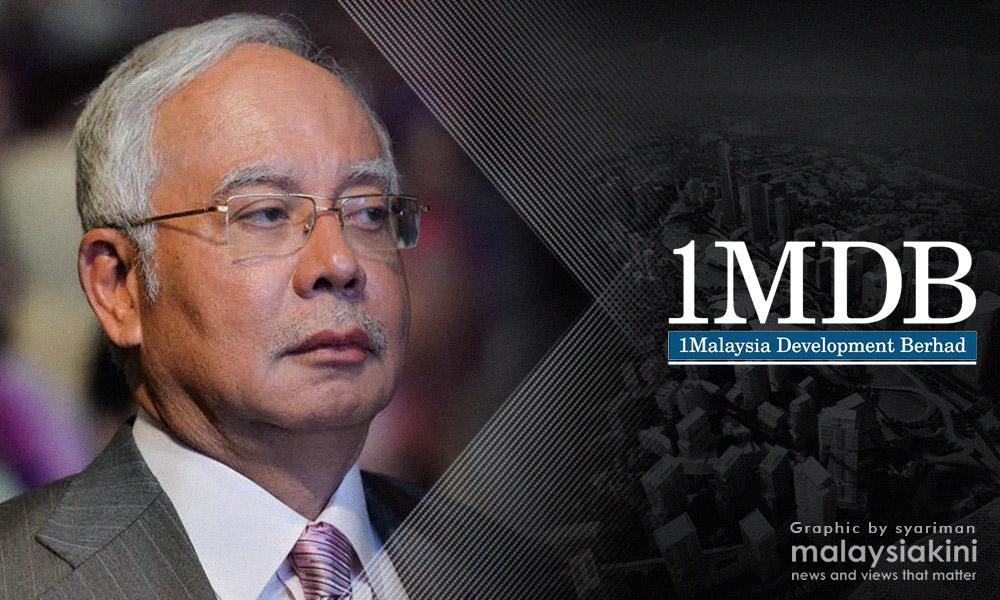
Under previous administrations, we faced one scandal after another — 1MDB, BMF, Perwaja Steel, MAS, and more. These were not isolated cases. They were symptoms of a system that allowed politicians to enrich themselves while the rakyat paid the price.
Former prime minister Najib Abdul Razak
We need a system reset. Institutional reform is not a luxury. It is a necessity. It is the only way to break the cycle of corruption and rebuild public trust.
We need to prioritise building and strengthening key institutions like the judiciary, parliament, MACC, police, and the EC that are independent from the executive, have public confidence, and are supported by robust laws.
Democracy is never finished. It is always a work in progress. Every generation must defend it against those who seek to manipulate it for personal gain.
For those in power, the temptation is always the same: use the system to stay in power and enrich yourself. That is why the system itself must be strong enough to stop them.
Let us not wait until the next scandal or the next crisis. The time for institutional reform is now. The rakyat deserve nothing less. - Mkini
THOMAS FANN is the former chairperson of Bersih and a founding member of Projek Sama. He writes on democratic integrity, civic empowerment, and institutional reform in Malaysia.
The views expressed here are those of the author/contributor and do not necessarily represent the views of MMKtT.
No comments:
Post a Comment
Note: Only a member of this blog may post a comment.



No comments:
Post a Comment
Note: Only a member of this blog may post a comment.