


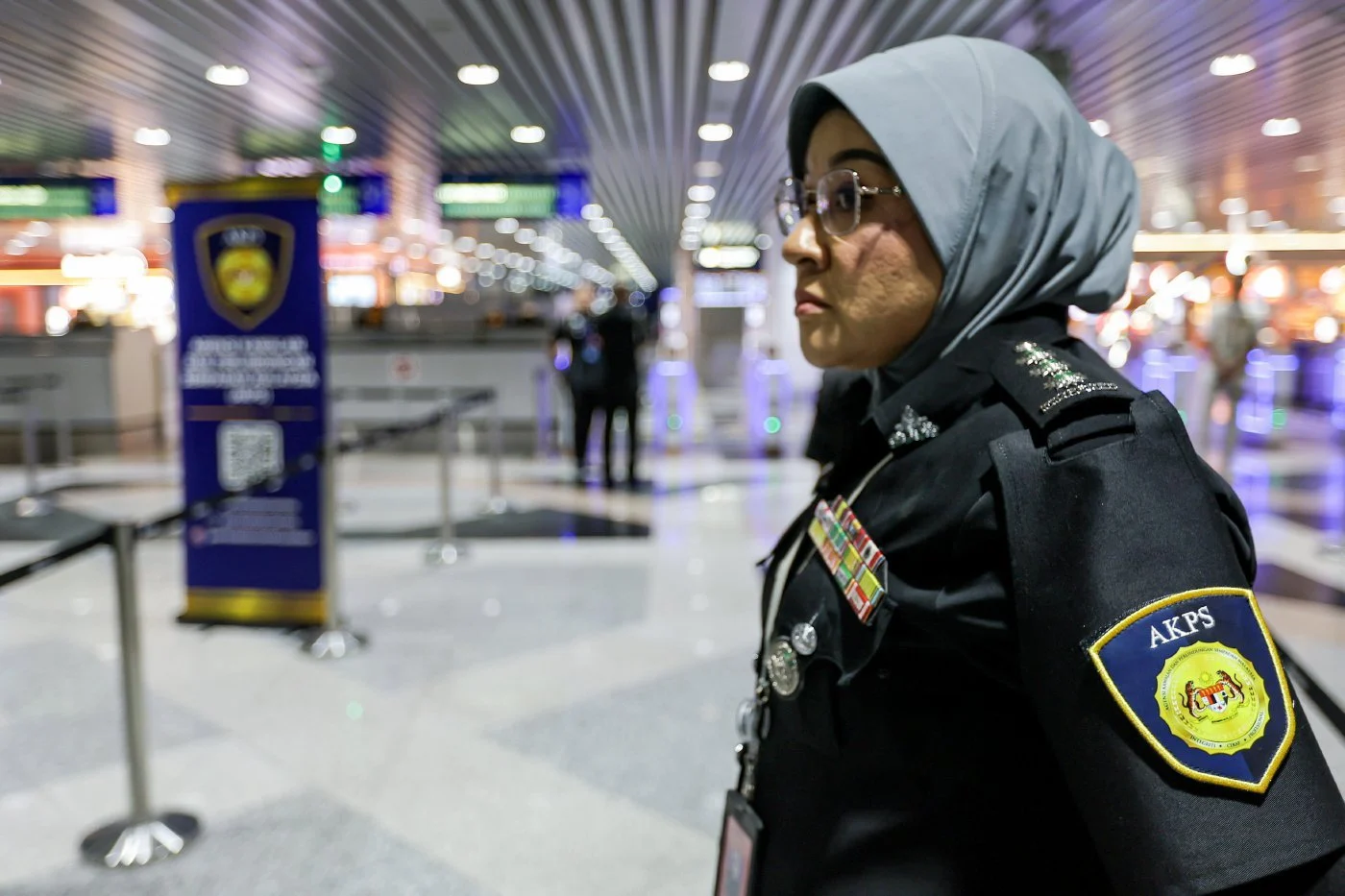
THE Malaysian Border Control and Protection Agency (MCBA) is a new agency under the Home Affairs Ministry that strengthens border security by consolidating personnel and functions formerly spread across multiple agencies.
Under the leadership of former Director of the Bukit Aman Criminal Investigation Department Datuk Seri Mohd Shuhaily Mohd Zain, MCBA is mandated to prevent and curb smuggling through streamlined, intelligence-led, and coordinated border enforcement.
A review of its performance is timely as MCBA enters its second year of operations.
MCBA currently manages 22 legal border checkpoints nationwide. In its first year, it is reported to have centralised border enforcement, improved coordination and disrupted smuggling activities.
However, it still faces key challenges to fully achieve its mandate due to manpower gaps, legacy practices, weak accountability, under-equipped personnel and outdated technologies.
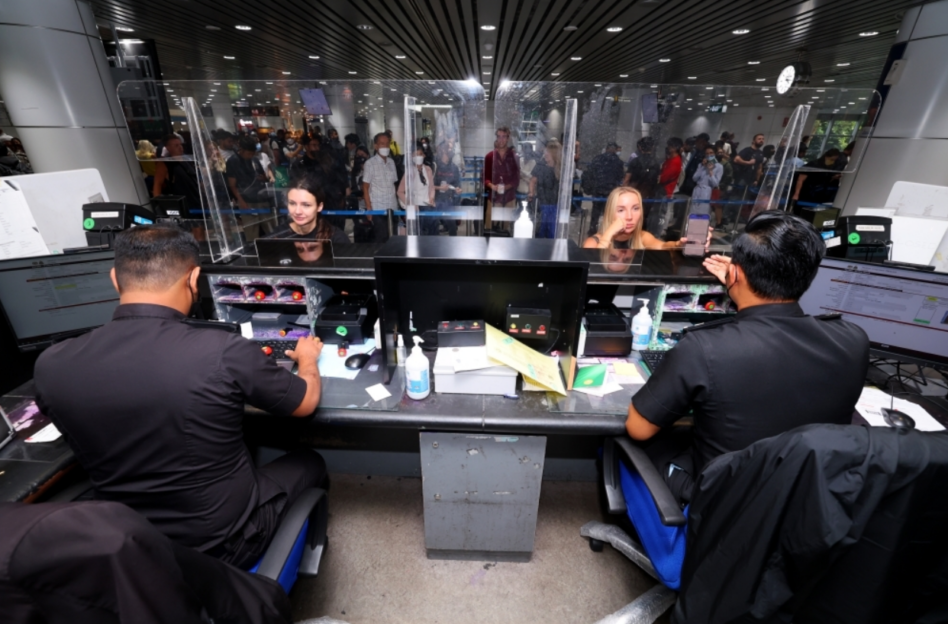
Among others, 18 MCBA officers were arrested at the Kuala Lumpur International Airport over alleged counter setting, while the Kelantan police chief warned that the porous Sungai Golok border with Thailand faced growing security risks.
Prior to the formation of MCBA, anti-smuggling operations were coordinated by the Counter Smuggling Unit, which operated at key border points such as Bukit Kayu Hitam, Padang Besar and Sungai Golok.
The limited success due to coordination issues, overlapping authorities and poor intelligence sharing across multiple agencies finally led to the creation of MCBA as the centralised border control agency.
Drawing on firsthand experience in border regions, including at Rantau Panjang and five years in Perlis as the state’s then Anti-Corruption Agency director, this writer had previously highlighted gaps between border policy objectives and on-the-ground realities, underscoring the need for practical, field-informed adjustments.
One key area requiring urgent attention is human resource. Currently, MCBA officers are drawn from other enforcement agencies such as Customs, Immigration and police.
As far back as 2010, I had suggested the recruitment of new officers in the fight against smuggling, rather than relying on officers transferred from existing enforcement bodies.
Transferred officers often retain previous loyalties, cultures and practices, which can undermine command, accountability and reform. In contrast, new recruits are more adaptable to the agency’s systems, technology and accountability. This supports long-term institutional integrity without the need to unlearn conflicting legacy practices.
This single action can have an immediate impact in fostering stronger teamwork, professionalism and field-based training while ensuring commitment to MCBA rather than to former agencies.
Fresh officers should be subject to thorough background checks, provided training in modern enforcement techniques as well as basic laws and border-specific protocols (border inspection, Customs procedures and anti-smuggling operations), and given intelligence analyses and refresher courses to keep up with evolving threats.
Random integrity testing should also be conducted to ensure ethical standards are consistently upheld. Having fully recruited new officers will also help in building a culture of integrity and accountability within MCBA.
Additionally, the government should create a robust legal framework that cuts redundancy, strengthens oversight, fosters a conducive workplace, and equips MCBA with advanced technology to tackle complex border security challenges.
Although establishing a dedicated workforce and acquiring modern assets involve significant costs, these expenses can be quickly offset by the savings realised through the reduction of smuggling activities.
MCBA’s mandate is to cripple smuggling activities that cost the country billions of ringgit.
As it enters its second year of operations, operating MCBA as a fully unified agency with its own professionally recruited officers and strong institutional integrity will enable it to respond effectively to emerging border security threats.
Datuk Seri Dr Akhbar Satar is the president of the Malaysia Integrity and Governance Society (MIG).
The views expressed are solely of the author and do not necessarily reflect those of MMKtT.
- Focus Malaysia.

No comments:
Post a Comment
Note: Only a member of this blog may post a comment.