


MP SPEAKS | We are standing on the precipice of a global conflict and a global economic meltdown. The “Franz Ferdinand moment” of our time is unfolding in slow motion right in front of our eyes.
Now, more than ever, Malaysians must stand united. We must look at the gathering storm in the Middle East with open eyes, close ranks beyond all our divides, and face this threat as one nation.
The impact of the disrupted global energy order is already battering our region. Regarding the recent adjustment of the RON95 subsidy quota to 200 litres, I must be frank: this measure is not perfect, and it is certainly not popular.
I fully understand the anxiety of the people. The government may be far from perfect, but it is doing its absolute best to navigate this crisis within extremely limited fiscal space.
When we look at the reality around us, Malaysia is actually doing comparatively better than most of our neighbours.
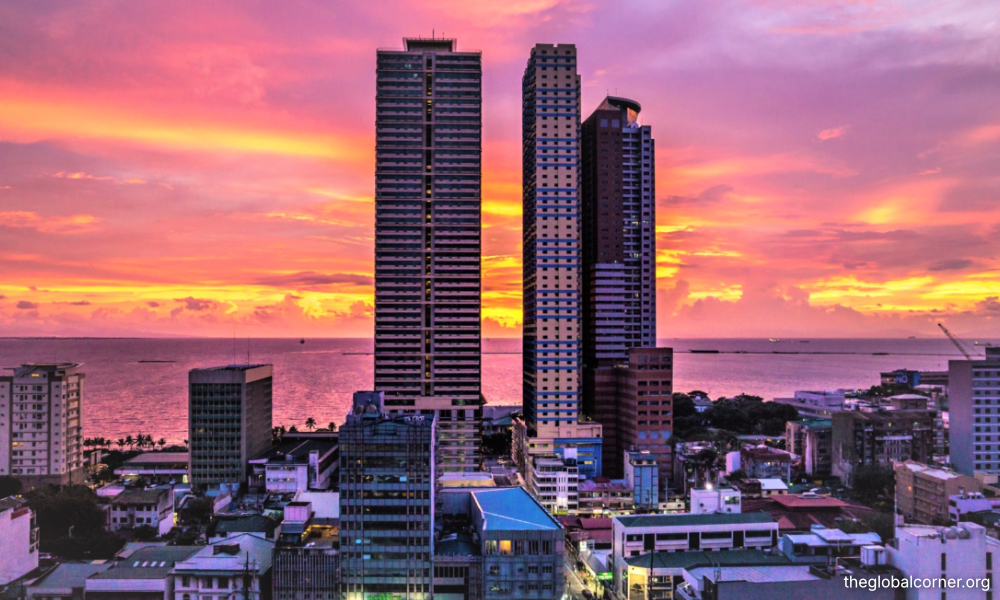
The Philippines is currently in a state of emergency, with hundreds of petrol stations forced to close. Laos has had to shorten the school week by two days just to reduce fuel consumption.
In Indonesia and Thailand, fuel rationing has forced citizens to queue for hours, sometimes for miles, to secure highly priced diesel. Nations including Australia, Singapore, Thailand, and Cambodia are urgently appealing to Malaysia for fuel.
We must rally behind the country right now, because we are in this together. And we must do so urgently, because all of this regional chaos is happening before any major ground escalation in the Middle East has even occurred.
The devastating math of Budi95
We must ask ourselves a very sobering question: How long can the government realistically continue the Budi95 initiative if a wider war breaks out?
Before this recent crisis, our national fuel subsidy bill hovered around RM700 million a month. Today, as global oil prices surge amid the conflict, the Finance Ministry reports our monthly fuel subsidy expenditure has already skyrocketed to RM4 billion.
What happens to the current Budi95 mechanism if crude oil spikes to US$150 per barrel? Or US$180? Or US$200? At those projected price points, the true, unsubsidised cost of RON95 would easily breach RM5.00 to RM6.00 per litre.
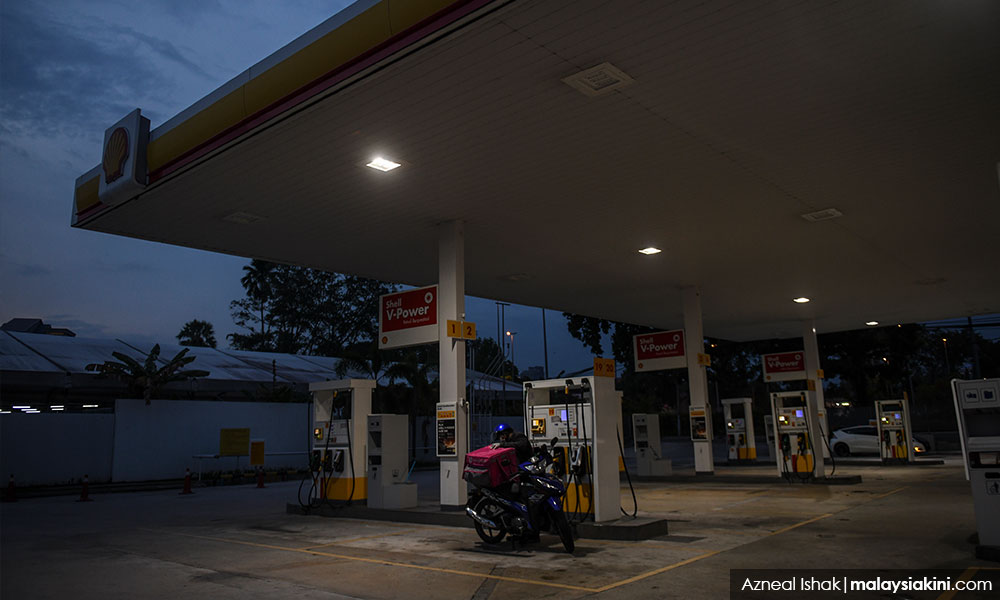
To maintain the subsidised price of RM1.99, the government would be forced to absorb an astronomical difference. Our monthly subsidy bill could easily balloon from RM4 billion to RM10 billion or even RM15 billion a month.
No government in the world can sustain that level of fiscal burn without bankrupting the nation’s future, cutting essential services, or borrowing heavily. This is the stark economic reality heading toward our shores.
Trackable military escalation
This threat is not built on political rhetoric or empty diplomatic posturing. It is built on the trackable, physical movement of military assets.
Recent reports indicate the United States has already deployed thousands of marines into the region. Carrier strike groups and amphibious readiness groups are holding position. B-52 bombers have been deployed to regional bases.
The Pentagon is actively preparing for the possible use of both special operations forces and conventional infantry in Iran, while the 82nd Airborne Division is being readied as reinforcements.
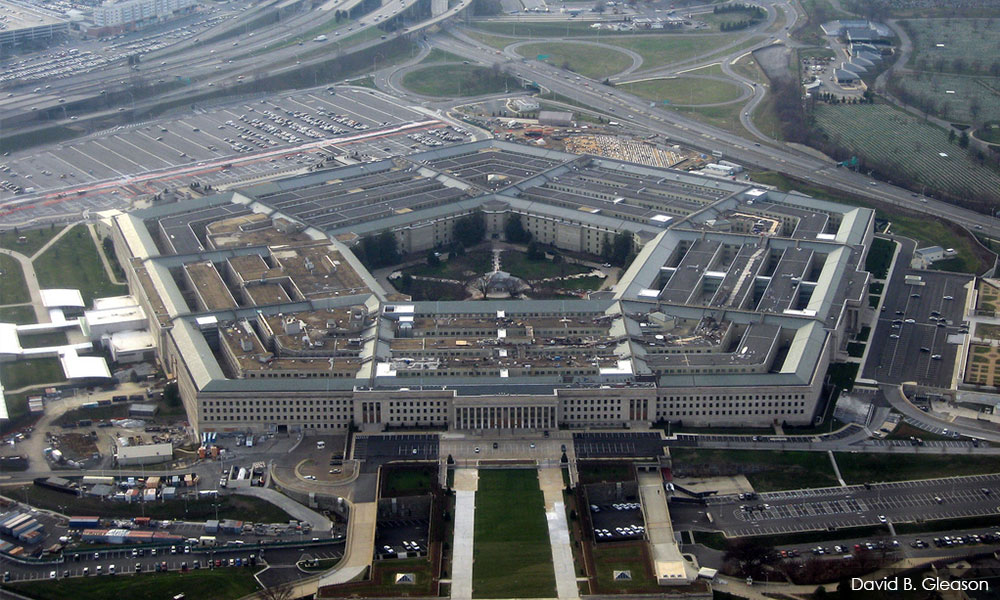
That goes beyond routine signalling but screams like the architecture of a much wider, more devastating, irreversibly escalated war.
Simultaneously, Houthi forces have formally entered the war, opening a new axis of escalation. We must be clear-eyed about what this means: targeting the Bab el-Mandeb Strait is almost definitely Iran’s asymmetric answer to US escalation.
While Malaysia conducts a large volume of intra-Asia trade, we are deeply dependent on the Bab el-Mandeb Strait for our high-value trade with Europe and the Mediterranean.
Essential imports like industrial chemicals, manufacturing machinery, and automotive parts, as well as our critical palm oil exports, rely on this route.
With roughly 15 percent of global trade and 30 percent of global container traffic passing through these waters, freight rates have already surged, insurance premiums have tripled, and shipping delays are choking global supply chains.
The ‘Franz Ferdinand’ moment
The assassination of archduke Franz Ferdinand in 1914 triggered the First World War, and the German invasion of Poland triggered the Second World War.
We are dangerously close to a point of no return. A true “Franz Ferdinand moment” in today’s context - the spark that transforms a regional crisis into a global conflagration - would likely be one of the following:
Direct US boots on Iranian soil
A mass-casualty strike on US forces triggering full retaliation
A simultaneous multi-front escalation (Iran+Houthi+Hezbollah+a Red Sea blockade)
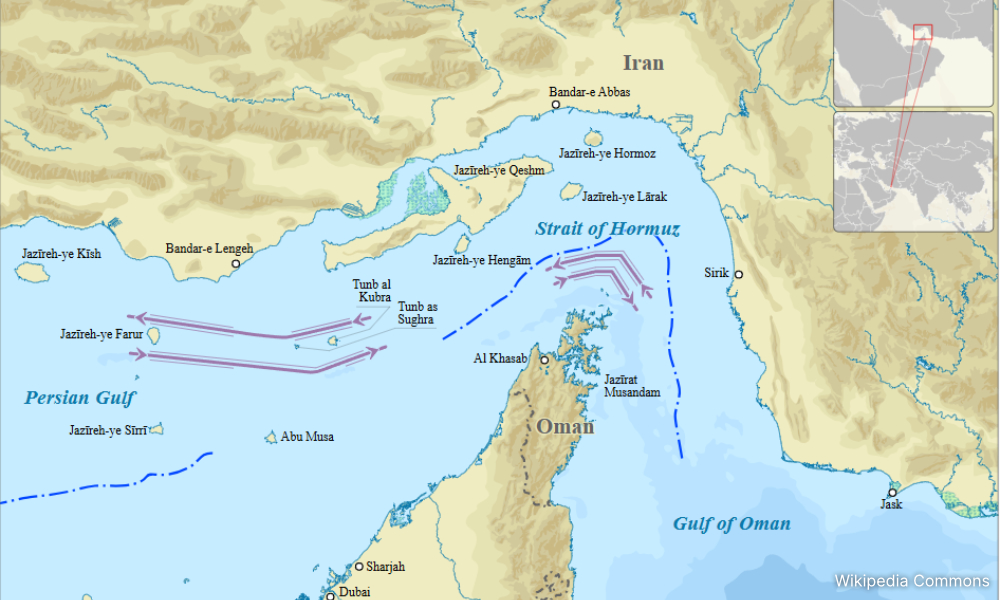
Prime Minister Anwar Ibrahim noted this week that about 50 percent of Malaysia’s oil supply transits the Strait of Hormuz. Asia imports nearly 60 percent of its crude from the Middle East.
If Hormuz comes under deeper military contest while Bab el-Mandeb is simultaneously choked, the effect will not be linear. It will be a catastrophic energy shock rippling through shipping costs, inflation, and public finances. It will hit all of us through the same economic arteries.
A call for unity and de-escalation
That is why I am calling on the Malaysian government to use every bilateral and multilateral channel, including Asean, the OIC, and the UN, to push for immediate de-escalation. We must speak not as spectators, but as a nation with skin in the game.
I call on global leaders, civil society, and all peace-loving nations to align around one urgent objective: no boots on the ground in Iran. Tell Washington: do not turn what is already a regional war into a generational catastrophe.
Most importantly, my message is to the people of Malaysia. This is not the time for performative outrage or partisan point-scoring at home. I do not ask that every Malaysian agree on every policy detail. I ask that we recognise the scale of the danger before us.
If this crisis deepens, it will test every household and every business. If we are divided, we will be weaker than we need to be, and many will be crushed.
Unity is our strength. Unity is our shield. Unity is our national survival. - Mkini
HOWARD LEE is the Ipoh Timor MP and a DAP central executive committee member.
The views expressed here are those of the author/contributor and do not necessarily represent the views of MMKtT.

No comments:
Post a Comment
Note: Only a member of this blog may post a comment.