


The Malaysian Consultative Council for Islamic Organisation (Mapim) has submitted a memorandum of protest to the Australian High Commission, raising concerns over the continued operations of Lynas Rare Earths Ltd in Malaysia.
The memorandum, addressed to the Australian ambassador, was handed over at the High Commission in Kuala Lumpur on April 28 and received by a security representative, according to Mapim president Azmi Abdul Hamid.
In the document, Mapim highlighted longstanding environmental and public health concerns linked to the Australian company’s processing facility in Gebeng, Pahang, particularly its handling of radioactive waste.
The group warned that the accumulation of waste containing thorium and related materials, coupled with the lack of a permanent disposal solution, poses potential long-term risks to groundwater, soil integrity, ecosystems, and nearby communities.
It also questioned the “double standard” of exporting hazardous industrial processes to developing countries.
“We respectfully submit that Malaysia must not be exposed to environmental risks that would otherwise face stricter regulatory scrutiny in the country of origin,” it stated.
Radioactive waste
Lynas mines rare earth minerals from Mt Weld in Western Australia, processes them, and then ships them for refining and separation into rare earth oxides at the Lynas Advanced Materials Plant in Pahang.
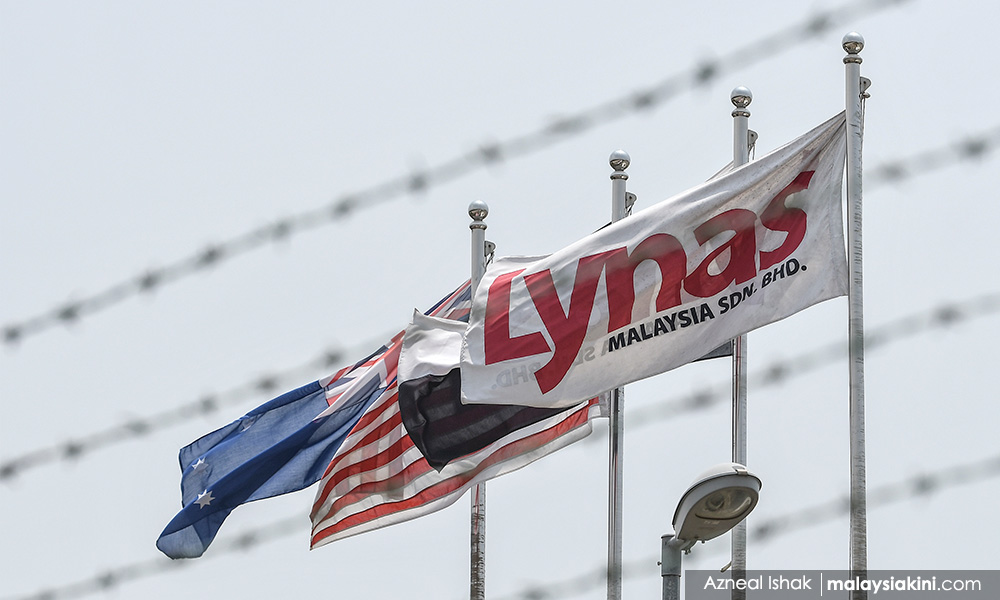
Its facility has faced significant opposition from environmental activists, particularly for issues surrounding the disposal of radioactive residue from its water leach purification (WLP) process.
The government granted the facility a 10-year extension of its licence beginning March 3, but on the condition that it reduces the radioactivity of the WLP residue below regulatory limits by extracting the radioactive thorium from the waste.
Lynas will also be required to complete the thorium extraction process in Australia before shipping it for further processing in Malaysia.
Military usage in war
Beyond environmental issues, Mapim flagged ethical concerns tied to global rare earth supply chains, noting that materials processed in Malaysia are critical for advanced military technologies.
Citing the ongoing genocide in Palestine as well as the intensifying conflict involving Iran, the group said it has “legitimate concern” that rare earth elements processed in Malaysia may indirectly play a part in military activities linked to violations of international humanitarian law or the expansion of militarisation.

“Mapim firmly believes that economic activities conducted in Malaysia must not be linked, directly or indirectly, to systems that perpetuate violence, injustice, or human suffering,” it asserted.
Last month, Lynas finalised an agreement with the US Department of Defense to supply the country’s defence sector with rare earth minerals for four years.
Azmi had previously urged Putrajaya to immediately audit Lynas’ operations and export channels, suspend any supplies tied to military end-use, and impose strict controls on strategic mineral exports.
Other demands
In the memorandum, Mapim urged the Australian government to:
Ensure full compliance with international environmental standards.
Establish a transparent and permanent solution for radioactive waste disposal.
Disclose the end-use supply chains of rare earth materials processed in Malaysia.
Ensure that such materials are not used in military applications that could contribute to violations of international law.
Hold greater engagement with Malaysian civil society, affected communities, and independent experts.
“This matter is of profound importance to the people of Malaysia. It touches not only on environmental safety, but also on national dignity, ethical responsibility, and global justice,” the group said.
It added that it remains open to dialogue with the Australian government on the matter.
Malaysiakini has contacted Lynas for comment.
Last month, Science, Technology, and Innovation Minister Chang Lih Kang stressed that WLP residue contains only six becquerels per gram, which classifies it as “very low level waste” as per the International Atomic Energy Agency’s safety guide.
In Parliament last year, Chang said Lynas is required to comply with the Atomic Energy Department’s radioactive waste management plan covering legal compliance, monitoring, and risk mitigation.
Periodic inspections
Responding to questions on adherence to international standards, Chang stressed that the regulator conducts periodic inspections to ensure the company complies with the Atomic Energy Licensing Act 1984 and its licensing conditions, while also carrying out radiological monitoring within and beyond the plant area.
“The monitoring results found no increase in radiation levels, and the radiation exposure data showed that it did not exceed one millisievert per year for the public and 20 millisieverts per year for workers,” he was quoted as saying by Bernama.
In February last year, Lynas Malaysia released a statement saying it had maintained more than a decade of safe operations in the country, citing continued support from local communities and consistently strong regulatory assessments.
The rare earths producer also highlighted its handling of waste and by-product management, stressing its transparency in appointing Gading Senggara Sdn Bhd as the contractor for its permanent disposal facility for WLP residue.
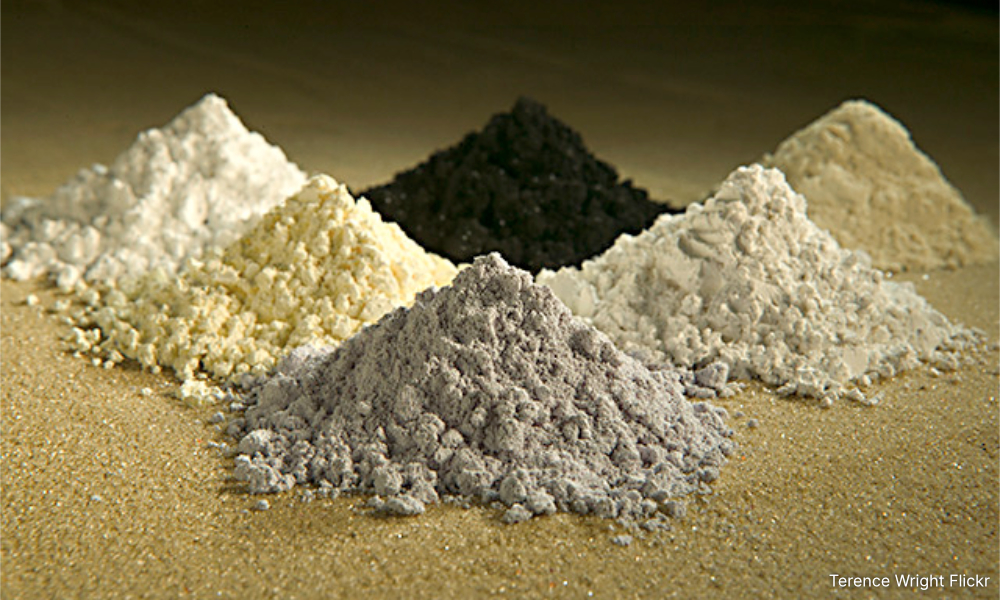
The company further pointed to statements from the Pahang Environment Department, which it said found that water leaving the Gebeng Industrial Estate is of higher quality than water entering the area.
Lynas also cited findings from independent government-appointed experts, who concluded that its operations are safe, compliant with regulations, and aligned with international best practices voluntarily adopted by the company.
“Environmental reporting data is publicly displayed at the Lynas Malaysia gate. Over 10 years of scientific environmental testing data have shown no negative effects on water or the environment surrounding the Lynas Malaysia facility.”
On its website, Lynas describes its plant in Malaysia as a “state-of-the-art, environmentally responsible rare earths processing facility”.
“Environmental monitoring carried out by Lynas and regulatory authorities (air, water, ambient air) since Lynas Malaysia commenced operation in 2012 has shown there is no environmental impact of Lynas Malaysia’s operation on the public and the environment,” it said. - Mkini

No comments:
Post a Comment
Note: Only a member of this blog may post a comment.