


Letter to Editor
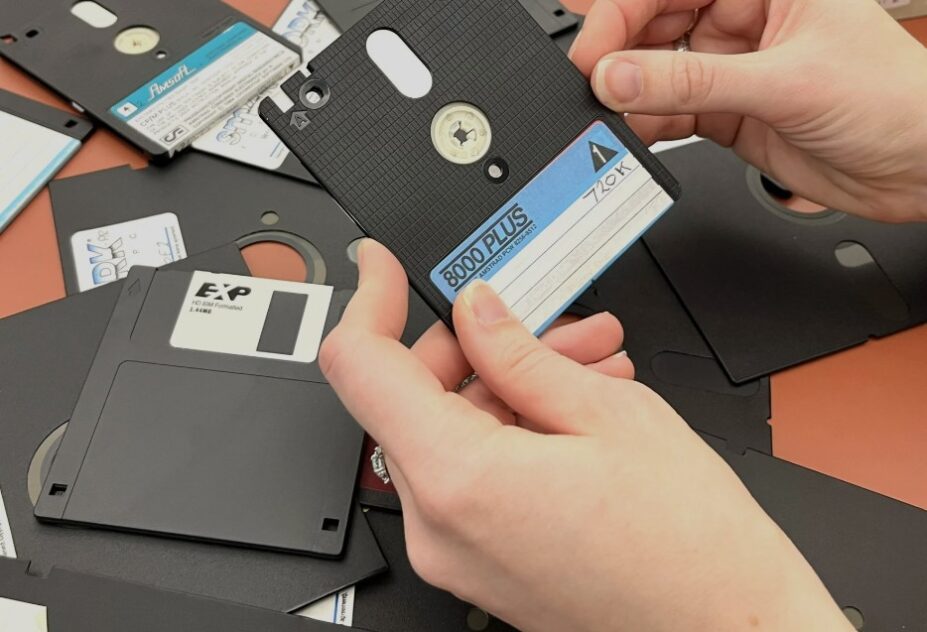
WHILE chatting with some younger colleagues at work the other day, I happened to mention floppy disks.
To my surprise, most of them who are in their 20s have never used one before. Yet I can still remember a time when computing without them seemed almost impossible.
Perhaps I should not have been surprised. Technology has advanced tremendously since I was a child and there is little sign that this pace of change will slow anytime soon.
That is why some recent reminders about the role of technology in our lives deserve our attention.
Pope Leo XIV in his recent encyclical “Magnifica Humanitas” argued that artificial intelligence (AI) and other emerging technologies should serve humanity and safeguard human dignity.
Can already aging Malaysia cope?
Closer to home, Perak ruler Sultan Nazrin Shah has cautioned against the dangers posed by AI-driven disinformation, particularly among the young.
Different contexts, perhaps, but both messages point to the same principle: technology should work for people, not the other way around.
This matters because technology is no longer something confined to offices or universities. It increasingly shapes how we communicate, shop, learn, access services and even travel from one place to another.
When discussing inclusive technology, most people think about physical design. Yet inclusivity is equally about how technology is implemented and governed. A system may be sophisticated but if large segments of society struggle to use it, then something has gone wrong.
Most of us have probably found ourselves serving as unofficial tech support for elderly parents, relatives or neighbours at one point or another.
As frustrating as it can sometimes be, I often remind myself that the day may not be far off when I too will need help navigating technologies that younger generations consider second nature.
This is not merely a personal concern. It is increasingly a national one.

In August last year, Second Finance Minister Datuk Seri Amir Hamzah Azizan told the Dewan Rakyat that Malaysia is expected to become an aged nation by 2048 when those aged 65 and above make up 14% of the population.
In fact, Malaysia officially became an ageing nation in 2021 when this group reached 7%. As our population ages, policymakers and technology providers alike will need to pay closer attention to accessibility and ease of use.
Free-flow tolling
One area where this challenge is becoming increasingly apparent is road travel. Malaysia is gradually moving towards barrierless tolling, a development many motorists would welcome. Few of us enjoy slowing to a crawl at toll plazas, especially during peak periods and festive seasons.
Yet moving towards a barrierless future is not simply an engineering challenge. It is also a social one. The transition will only succeed if ordinary Malaysians are comfortable using whatever system replaces the familiar toll booth.
Some advocate abolishing tolls entirely. That debate will continue. For now, however, the reality is that road infrastructure still requires funding with smarter toll collection appears likely to play an important role in the years ahead.
The question then becomes whether such systems can be designed in a way that works for everyone, including older motorists who may be less comfortable with new technologies.
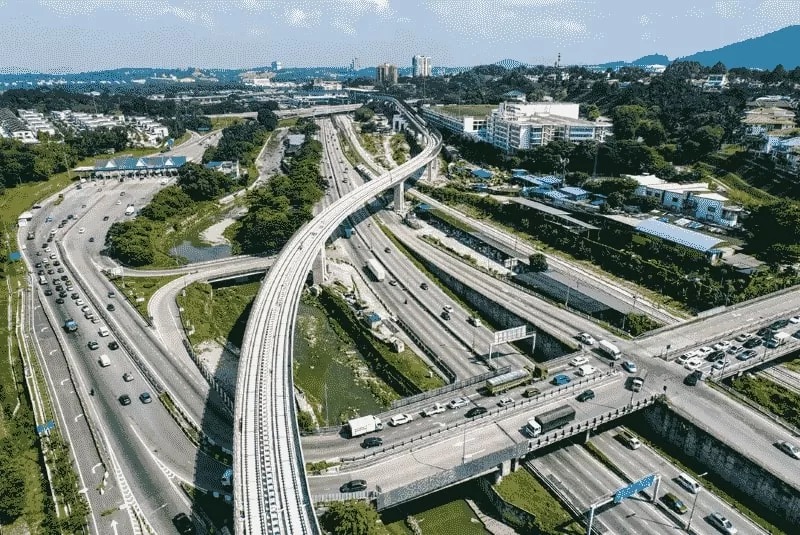
Encouragingly, some of the solutions currently being tested appear to recognise this challenge. One example is the JustGO Automated Number Plate Recognition (ANPR) system being trialled by PLUS Malaysia at the Hutan Kampung-Sungai Dua stretch.
What stands out is not necessarily the technology itself but the effort to reduce barriers to adoption.
Systems that minimise additional equipment, provide multiple payment options and maintain accessible customer support are generally more likely to gain public acceptance across different age groups.
Of course, ANPR won’t do any good if it’s only limited to a small part of the country. Reportedly, it will soon be expanded nationwide, and will be a proud moment for everyone who wants to get to their destinations safely as well as smoothly.
Of course, no technology is perfect. Any new system will need to prove itself in terms of reliability, accuracy and user confidence before widespread adoption can be expected. Public feedback and continuous improvement will remain important.
Nevertheless, the broader lesson remains relevant. Technology succeeds not merely because it is innovative but because it is inclusive.
As Malaysia continues its digital transformation, that should remain our guiding principle. New technologies should make life simpler, safer and more convenient for ordinary people. Most importantly, they should bring people along rather than leave them behind.
Xavier Choo Woon Seng
Kajang
The views expressed are solely of the author and do not necessarily reflect those of MMKtT.
- Focus Malaysia.

No comments:
Post a Comment
Note: Only a member of this blog may post a comment.