


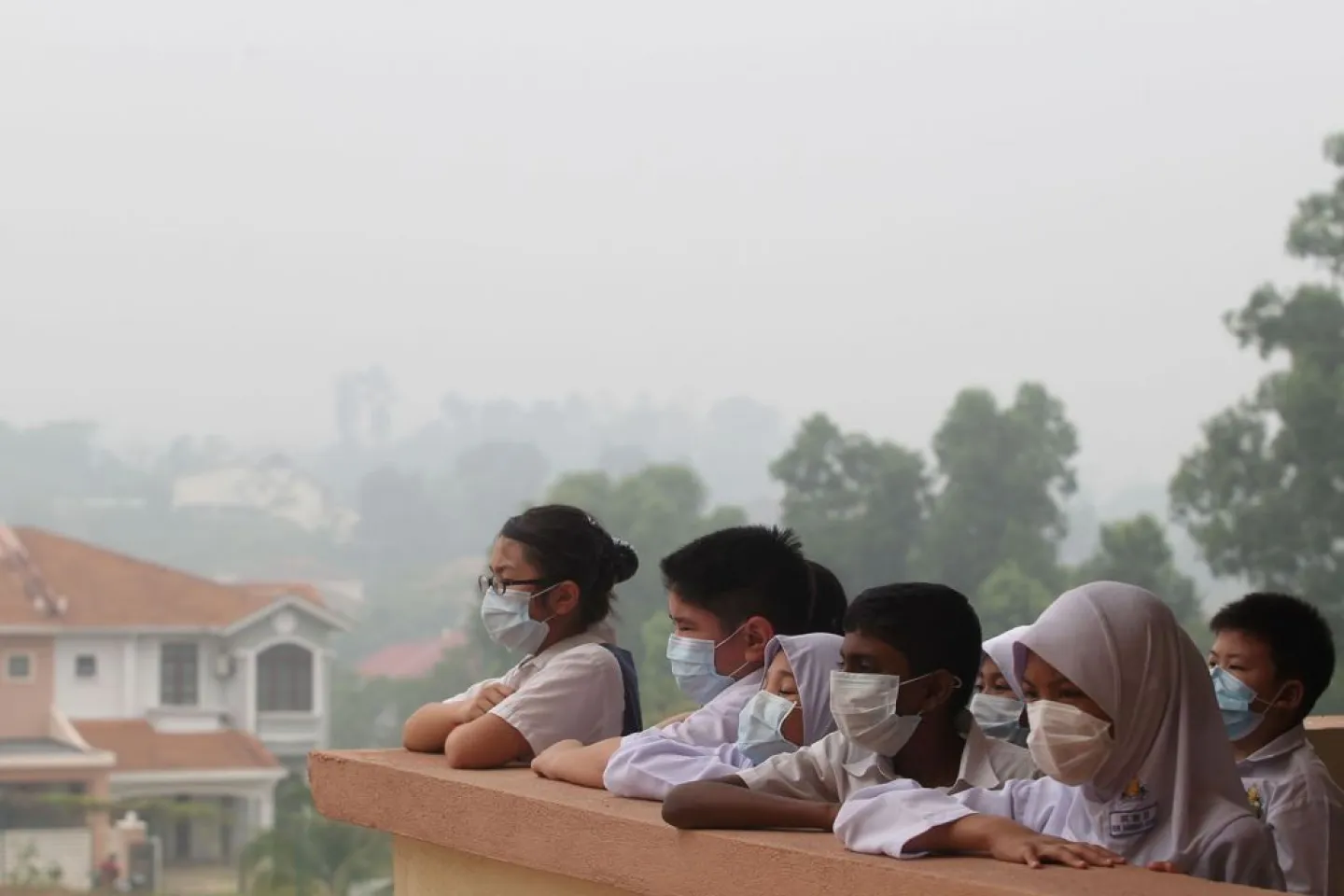
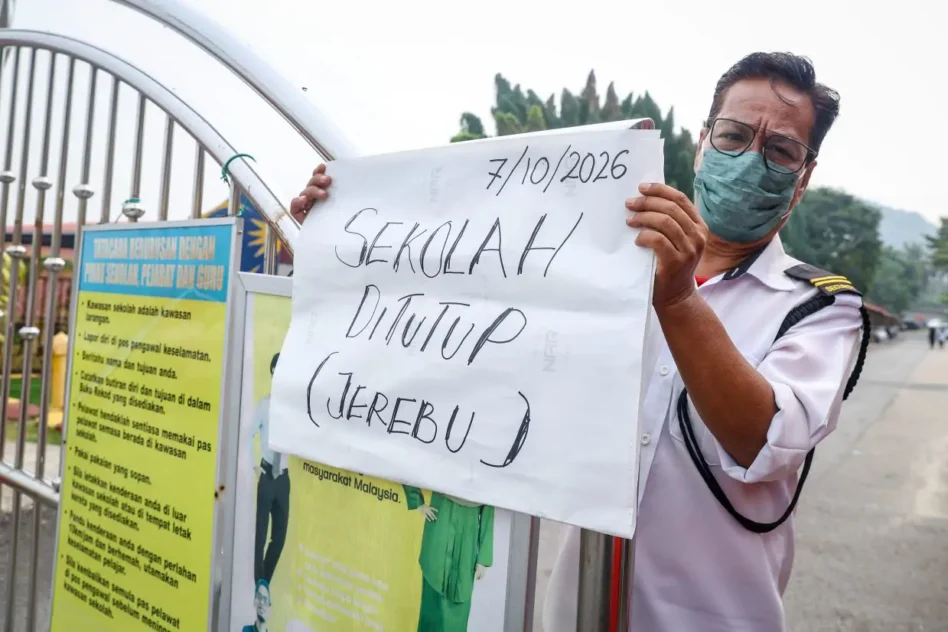
THE announcement of school closures across several Malaysian states on Oct 9, following worsening haze conditions, disrupted family routines as parents scrambled to arrange childcare, reorganise work commitments and keep their children safe.
Beyond these immediate inconveniences, however, lies a more pressing concern: what is the haze doing to our children’s health, and are we paying enough attention to its consequences?
School closures are an important precaution, but protecting children requires more than keeping them indoors for a few days. We must understand the health risks posed by polluted air and take steps to reduce exposure.
What does the evidence tell us?
Haze is more than smoke obscuring the sky. It contains a mixture of airborne pollutants, including fine particulate matter known as PM2.5, which measures 2.5 micrometres or less in diameter.
These tiny particles can penetrate deep into the lungs and trigger inflammation. Exposure to fine particulate matter is associated with respiratory symptoms, worsening asthma and increased hospital admissions for respiratory illnesses.
Children are particularly vulnerable because their bodies are still developing, making the effects of air pollution a significant public health concern.
Why are children more vulnerable?
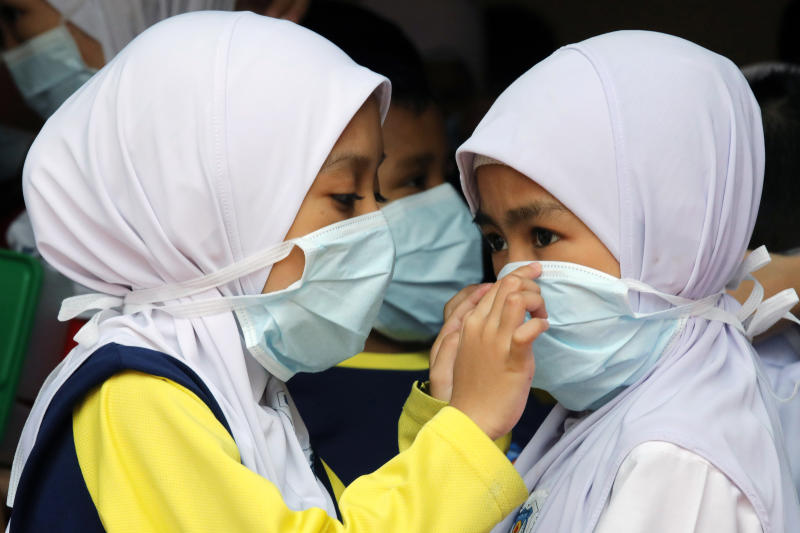
Children are not simply miniature adults. Their lungs and immune systems are still developing, and they generally breathe more rapidly than adults relative to their size. Outdoor play and physical activity can also increase the amount of polluted air they inhale.
During haze episodes, children may experience nasal irritation, a runny or blocked nose, sneezing, sore throats, eye irritation, coughing and breathing difficulties.
Research has also linked air pollution exposure to an increased risk of conditions such as asthma exacerbations, allergic respiratory symptoms and respiratory infections.
Some studies have reported associations with middle-ear infections, although the strength of evidence varies by condition and pollutant.
The concern extends beyond immediate symptoms. Prolonged exposure to air pollution has been associated with impaired lung development and adverse effects on neurodevelopment and cognitive function.
These findings reinforce the need to protect children from repeated exposure, not just during particularly severe haze episodes.
What about children with underlying medical conditions?
Children with asthma and other respiratory conditions may experience worsening symptoms when air quality deteriorates.
Those with existing upper or lower airway abnormalities may also be more vulnerable, particularly if their breathing is already compromised.
Children with tracheostomies require special attention. A tracheostomy bypasses the nose, which normally helps filter, warm and humidify inhaled air.
Parents and caregivers should follow their child’s established airway-care plan and watch for changes in breathing, thicker secretions or difficulty clearing them.
Any significant deterioration from a child’s usual condition warrants prompt medical advice.
What warning signs should parents look out for?
Not every cough or runny nose signals a serious problem. However, parents should seek medical assessment if their child develops persistent or worsening coughing, wheezing, unusual breathlessness, reduced activity or difficulty feeding.
Seek emergency medical care if a child struggles to breathe, develops bluish lips, becomes unusually drowsy or has severe breathing difficulties.
Children with tracheostomies should receive urgent assessment if their airway becomes obstructed or they experience sudden breathing distress.
Parents should not wait for symptoms to become severe before seeking help, particularly if their child has an underlying medical condition.
What can parents do to reduce exposure?
First, monitor the official Air Pollutant Index (API) readings and follow advice from health and education authorities. When air quality is unhealthy, avoid outdoor exercise and unnecessary outdoor activities, particularly for children with respiratory conditions.
Indoor air quality matters, too. Keeping windows and doors closed during periods of heavy haze, where it is safe and practical to do so, can reduce the entry of polluted air.
A properly sized air purifier with high-efficiency particulate air (HEPA) filtration can further reduce airborne particles indoors.
Avoid adding to indoor pollution by smoking, vaping or burning incense and candles. Continue prescribed medication for chronic respiratory conditions and follow the child’s medical action plan. If keeping the home cool becomes difficult with windows closed, seek a safer, cooler indoor environment rather than allowing heat to build up.
A responsibility that extends beyond the haze
The more important question is what happens after the haze disappears. While many immediate symptoms improve when exposure decreases, repeated or prolonged exposure to air pollution can have lasting health consequences.
We cannot afford to treat polluted air as an occasional emergency that demands attention only when schools close. Nor should the absence of visible haze be mistaken for proof that the air is clean.
We naturally worry when our children develop a fever, cough or breathing difficulty. Yet the quality of the air they breathe every day may receive far less attention.
Children’s respiratory health begins with the environment in which they grow, learn and play. Protecting them requires action from families, schools, healthcare professionals and policymakers, including sustained efforts to reduce air pollution at its source.
We should not wait for the skies to turn grey before thinking about the air our children breathe. Nor should our concern disappear when the skies clear.
Protecting every little breath is not merely a response to haze. It is a responsibility we share, every single day.
The author, Associate Professor Dr Jeyasakthy Saniasiaya is a Consultant Paediatric Otorhinolaryngologist at Universiti Malaya.
The views expressed are solely of the author and do not necessarily reflect those of MMKtT
- Focus Malaysia.

No comments:
Post a Comment
Note: Only a member of this blog may post a comment.