


Question: From your point of view, from the beginning of the trip to Saudi and to completion, it was already planned, you only went there to complete the “cerita” (narrative), and did not ask any (questions from the alleged Arab donor), go there to eat and then go back (to Malaysia)?
Answer: Yes, correct.
Question: Do you agree if I suggest that this four-and-a-half-page statement (of al-Koman) was already prepared beforehand (before the delegation’s arrival in Riyadh) and your job and Hafaz (Nazar, an MACC recording officer) were only to cut and paste the MACC statement.
Answer: Yes.
The above exchange was not ordinary. It reflected the competency, capability, and aptitude of the agency whose senior officer provided the answers.
The inquisitor was deputy public prosecutor Ahmad Akram Gharib, and MACC’s senior assistant commissioner Nasharudin Amir provided the answers, a defence witness at the trial of former prime minister Najib Abdul Razak, who is accused of abuse of power and money laundering involving RM2.27 billion linked to 1MDB.
Lest I am cited for contempt, let me reiterate that I am not attempting to influence the judge or interfere with the trial. I am merely addressing the conduct of the MACC officials.
There is no necessity to acknowledge Nasharudin’s honesty because he was under oath and expected to “tell the truth and nothing but the truth”.
They would’ve been sacked anywhere else
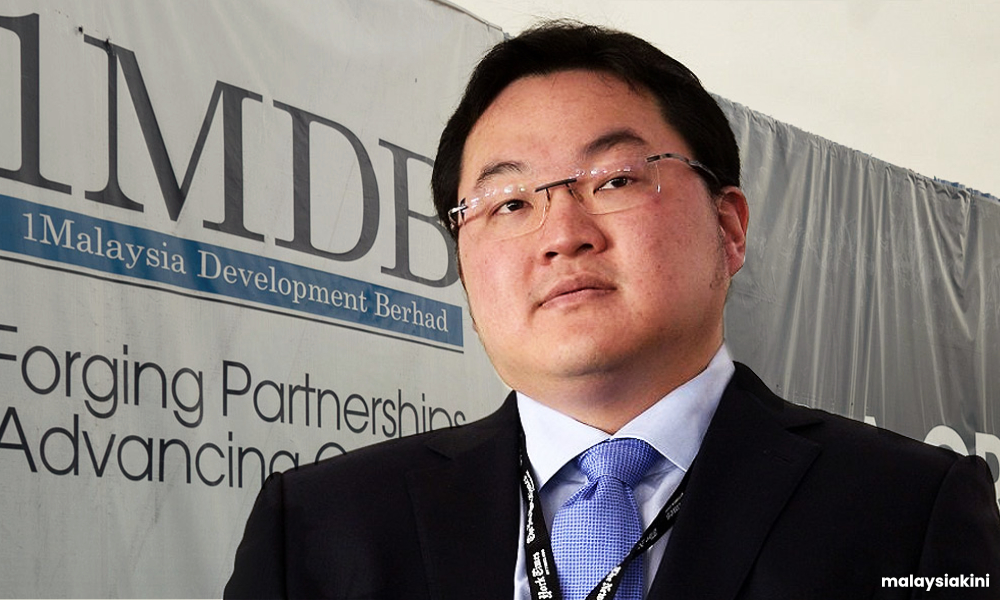
To add insult to injury, he agreed with Akram that the “cut-and-paste” method was also used when the former recorded Tan Kim Loong’s statement in Riyadh. Tan is an associate of the alleged 1MDB mastermind and fugitive Low Taek Jho or Jho Low.
These admissions should reverberate in the legal and enforcement fraternity. They have given a different dimension to the methodology used in “recording” statements from witnesses.
If prepared narratives meet the requirements, why waste time, effort, and money recording statements and going after witnesses? Can lawyers now prepare Q&A for their clients who have been pulled by the MACC?
Such lapses in the private sector would necessitate domestic inquiries and subsequent termination of services or, to put it bluntly, would face the sack.
But no - not in the government service, where such serious dereliction of duties should never be acceptable.
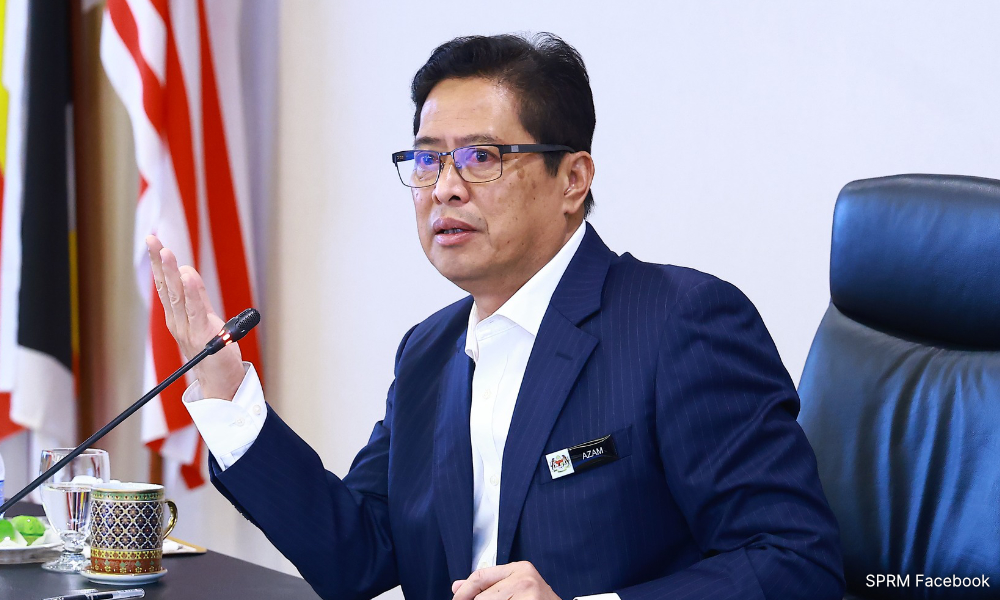
It also raises important questions: Were the two senior officials - MACC officer Azam Baki, now its chief commissioner, and then Attorney-General’s Chambers (AGC) officer Dzulkifli Ahmad (who later helmed MACC from 2016 to 2018) - who were part of the delegation aware of the “deceit”?
Why were these details not revealed when the MACC briefed members of its advisory panels on their return from the Middle East?
(I was then a member of the Prevention Panel, and I can’t discuss what was disclosed because the proceedings were under the purview of the Official Secrets Act.)
Why were additional questions not asked after having read the prepared statement? Why did they remain silent when questions on the “donations” were raised inside and outside Parliament?
Was the delegation “briefed” and told what to do before they boarded the flight or were issues discussed on the aircraft?
Latest blemish on MACC
The revelations in court do not augur well for the MACC, whose reputation has been tarnished, among others, by the ownership of shares in public-listed companies and trades on the stock market.
Caught out by accusations, Azam offered a preposterous and ludicrous answer and his clarification that “my brother did it” was outrageous, to say the least.
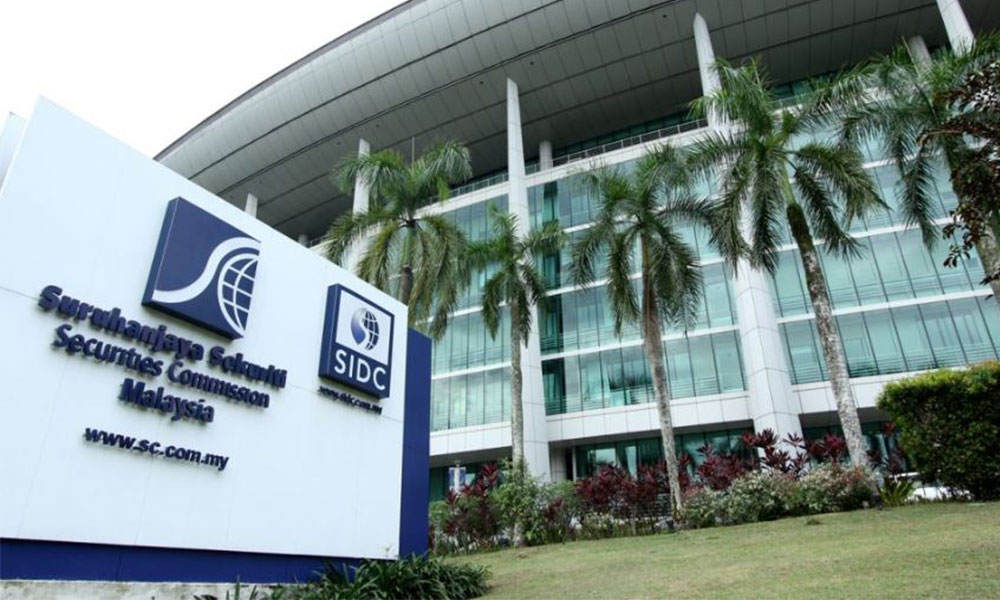
After the Securities Commission found no evidence of proxy trading, as he was named the account holder and had control of the said trading account, he declared: “I did no wrong.”
The suspicious death of Teoh Beng Hock and later Customs officer Ahmad Sarbani Mohamed still haunt the MACC, and the latest revelations further sully its reputation.
Prime Minister Anwar Ibrahim may not have known of the sinister events that occurred years ago and even extended Azam’s tenure last May.
For all the talk about clean government and integrity, Anwar should compel Azam to tell the public why he chose to remain silent all these years and continues to do so despite the disclosures in court.
He should also address rumours circulating at that time that the MACC investigating teams periodically briefed the lady of the house in Putrajaya on developments in the 1MDB case.
Is that asking too much from the Madani government, which prides itself on transparency and accountability? - Mkini
R NADESWARAN is a veteran journalist who writes on bread-and-butter issues. Comments: citizen.nades22@gmail.com
The views expressed here are those of the author/contributor and do not necessarily represent the views of MMKtT.

No comments:
Post a Comment
Note: Only a member of this blog may post a comment.