


Last week, I attended a panel discussion on “Social Media and Politics in Southeast Asia” at Monash University Malaysia, organised by the Southeast Asia Research Centre for Digital Tech and Society.
Based on Canadian-based researcher and academic Merlyna Lim’s book of the same title, the panellists were Siti Nurliza from the Sinar Project, Article 19 activist Nalini Elumai, Stefan Bachtold from Monash University, and Gayathry Venkiteswaran from the University of Nottingham Malaysia.
They spoke mainly about how politics in the region has been influenced by the development of social media. Many politicians and political parties in Indonesia, Malaysia and the Philippines have been pioneers in how social media is used as propaganda to influence the people and the way they vote.
The methods used range from having cybertroopers, paying influencers, and just control of branding and image. It is interesting to listen to Lim note that many Western politicians like Donald Trump are emulating these techniques.
However, it was very interesting to listen to how most of the panellists started to veer towards how dangerous social media is and that the people need to gain control of it instead of letting it be controlled by the rich and already powerful.
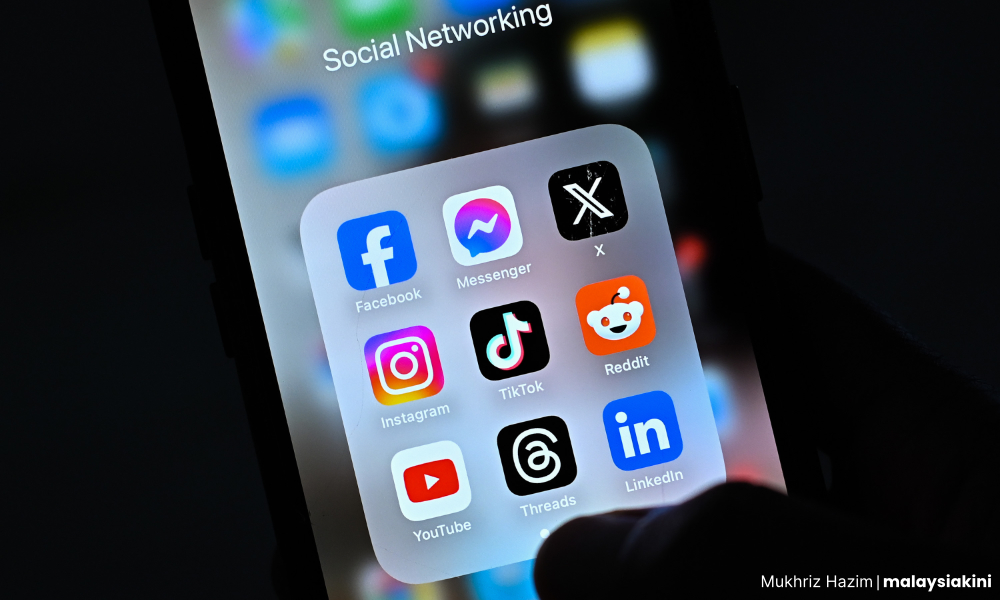
They talked about how important it is that social media platforms be regulated so that they are not so free to determine the algorithms of how people get their information.
This is, of course, on the basis of how Facebook, X and the likes have been accused of manipulating the algorithms so that the information spread serves the interests of its owners.
Media control
This discussion is all well and good, and it does have a place in society because new data about new media can be useful, but I just feel that it is derivative of all the arguments that have come up about the media for decades.
The same discussion was said when the newspaper was the main platform; it was the same for radio and television. Everyone just called for the control of the said main media platform of the day, and so it is today as well, when everyone is calling for the control of social media because that is the main media platform.
The only person who caught my interest that evening was Nalini, who spoke based on her experience as a grassroots activist. She mentioned that no matter what media it is, those controlling it would always try to use it to influence the information to their advantage.
She drew parallels from the 1990s when TV shows on channels known to support the government narrative would be biased, with social media today, where people with the resources can influence the perception of the audience. I share the same opinion.
Best solution
I think it is redundant and useless to call for the same solution for something that has never worked. For me, the best solution would be to educate society on how the media works and how they can be influenced.
If everyone understands the media, then everyone will know how information is crafted, produced and distributed. Hence, we wouldn’t be so gullible and know how to take everything with a pinch of salt. We would know how to distinguish between genuine information and manipulated information.
Of course, this is easier said than done. It takes a lot of hard work to educate society about media literacy and to create awareness, but we should also realise that the effects of this will be more lasting than if we just decide to control and censor the media (ironically, telling the owners of social media platforms what they can and cannot do is also controlling and censoring).
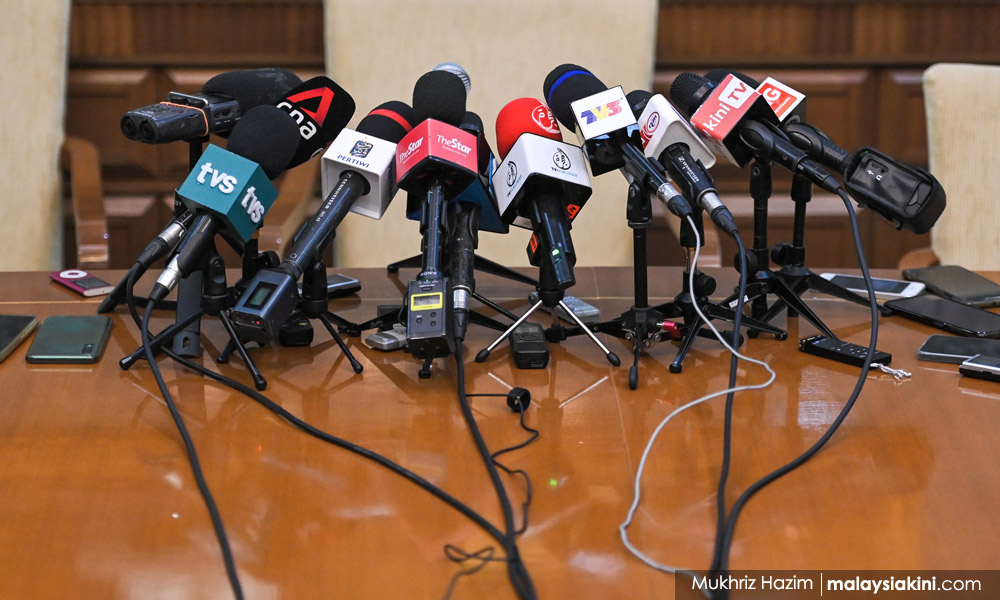
Control and censorship are just treating the symptom and not the cause. As long as someone or some organisation owns the media, it will always be vulnerable to manipulation.
Even the most democratic and public media will still have that vulnerability, be it the BBC in the United Kingdom which is supposed to serve the public interest free from political and governmental interjection, or even Facebook and X, whose owners Mark Zuckerberg and Elon Musk claim that they are the true voice of the truth.
So, instead of trying to flog a dead horse, why don’t we try to think of something else to solve the problem? Sometimes, the best solution is the one that takes the most effort and time, but the effects will be long-lasting. - Mkini
ZAN AZLEE is a writer, documentary filmmaker, journalist and academic. Visit fatbidin.com to view his work.
The views expressed here are those of the author/contributor and do not necessarily represent the views of MMKtT.

No comments:
Post a Comment
Note: Only a member of this blog may post a comment.