



All over the world, young people are living in uniquely pressurised times.
From high-stress school performance expectations, unrealistic comparisons on social media, to precarious job prospects in an increasingly competitive climate, adolescents face magnified pressures exacerbating what is already a difficult development period.
In all of this, parental support plays a crucial role. Quoting development psychologist Urie Bronfenbrenner, the family unit is the “most powerful, the most humane, and by far the most economical system known for building competence and character”.
That dictum – while slightly overreaching – has a distinct ring of truth, especially when it comes to parents. Though friends and peer groups may provide comfort and companionship, research has shown that emotional support from parents, or parental figures, remain crucial to a young person’s development outcomes.
A complex act
What is competent youth parenting, and how can public policies coherently promote it?
The answer to the first question is not easily defined for two reasons. Parenting, in many respects, is a very personal and private matter. Opinions on ways to raise children tend to be grounded in a parent’s own experiences of family life, as well as his or her personal values, beliefs and traditions.
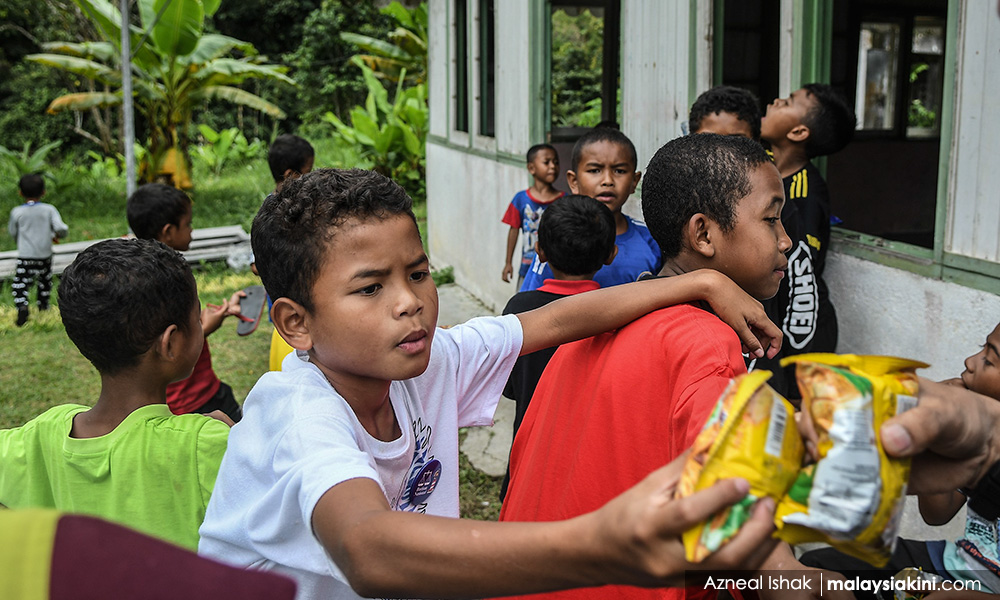
Secondly, in any given society, parenting philosophies tend to be guided by social and cultural norms. In more multicultural societies, these norms are rarely collective and come in diverse forms.
Hence, what one group views as appropriate parenting behaviours may differ widely from the views of others within the same community. Malaysia, with a population encompassing a broad swathe of ethnic, subethnic and indigenous cultures, is certainly no exception.
Approaches to parenting tend to be wide-ranging since many families come from diverse cultural backgrounds, social spheres and religious roots.
These different contexts embody unique values, beliefs and traditions that contribute to shaping how parents view their roles, and their selection of appropriate behaviours in raising their children.
Policies should support youth parenting
This is not to say that all Malaysian parents are completely and unilaterally guided by local traditions and culture.
Those who are more Westernised, for instance, may choose to adopt styles of parenting that are more in line with the values and ideals congruent with that culture.
With such a magnitude of different viewpoints and opinions, it is difficult to pin down what 'good parenting' would look like in the Malaysian context, much less how policymakers can support it.

Yet, in spite of these difficulties, the issue of good parenting warrants closer policy attention – especially with recent public health evidence on the heightened levels of anxiety and worry experienced by Malaysian adolescents.
Putting theory into practice
What might such support look like in practice? Unfortunately, as far as this country's policies are concerned, discourse on parenting approaches and its effects on young people’s development outcomes remains rather thin.
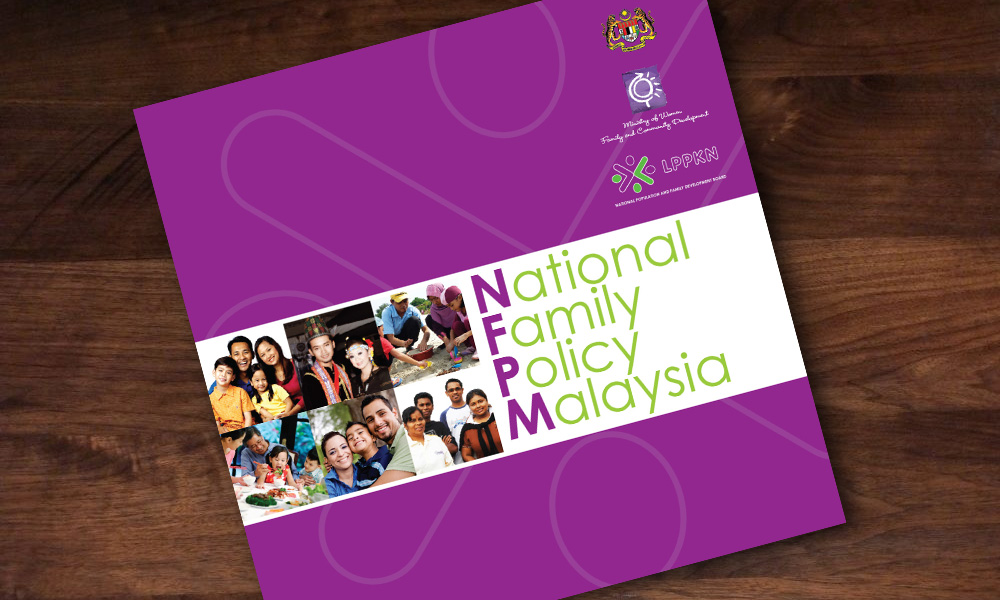
In 2010, the Women, Family and Community Development Ministry rolled out the country’s first National Family Policy (NFP).
The document’s preamble puts forth a key rationale to strengthen the family institution, “so that each family member can be empowered to perform, jointly and fairly, their roles in terms of family relationships… in order to improve stability, harmony and well-being".
In another section covering implementation strategies, the NFP highlighted the need for training and lifelong education to help families achieve what it described as “human capital development and family wellbeing”.
The actions proposed to achieve this included providing opportunities for family members to participate in training, and encouraging them to seek knowledge and improve relevant nurturing skills.
Research into family wellbeing was also listed as an important thrust to generate “inputs for the formulation of policies and laws as well as programme planning”.
Since the NFP’s enactment, various community-based programmes and services have been rolled out to tackle family development issues – ranging from marriage, divorce, decline in fertility rates, to the ageing population.
While these are good efforts, the government has yet to express a clear agenda on how to help parents support the wellbeing of older children in their teenage years.
From a layperson's perspective, many parenting education programmes seem to be largely targetted at parents with younger children, rather than adolescents.
Likewise, services are mostly oriented towards catering for younger age groups, such as providing workplace care facilities for babies and young children and childcare centres or nurseries.
Moving forward with policy action
More needs to be done by public authorities to support parents of adolescents in making a positive difference to their children’s health and wellbeing outcomes.
To begin with, there needs to be a commitment to seeking a deeper, evidence-based understanding of the variety of approaches taken towards youth parenting in Malaysia.
As a first step, the government should commission a research taskforce to conduct a national survey on parenting practices among Malaysian families, covering populations in both West and East Malaysia.
The scope should cover families from diverse backgrounds, but specifically target families with parents of children aged 10 to 19 (the government’s official definition of adolescence).
The survey would ask parents to describe the ways in which their culture, social class, religion, and other factors affect their opinions on good parenting, and how they would put these views into practice with their children.
The National Population and Family Development Board, better known as LPPKN, would be the most relevant government agency to lead this project. To increase manpower resources, the project should be carried out in partnership with universities and local think-tanks.
Next, once sufficient data has been collected, a taskforce made up of healthcare practitioners, family and development psychologists, sociologists and others in related fields of expertise should be convened to study the data and come up with a set of general principles underlying the concept of positive parenting.
These principles would then serve as a guideline for policy planners to make recommendations and create suitable structures and services to empower Malaysian parents with the information and knowledge to learn and practise good parenting skills.
Granted, things are always easier said than done. Significant investments of time and funds will be needed, and over time, more follow-up studies should be done to identify challenges faced by parents in cross-cutting economic, social or personal difficulties, as well as those raising children with special needs.
Yet these challenges should not deter the government from seeking workable solutions to promote better health and wellbeing outcomes for young people, who are the future of the country.
Malaysia has signed and ratified the United Nations Convention on the Rights of the Child. Article 181 binds state parties to "render appropriate assistance to parents and legal guardians in the performance of their child-rearing responsibilities and shall ensure the development of institutions, facilities and services for the care of children".
A powerful way of translating this mandate into action is to empower parents to be effectively involved in adolescents' lives, such that they receive the care and support needed to thrive.
LIM SU LIN is a policy analyst with the Penang Institute. A History graduate from Cambridge University, her research interests lie primarily in promoting good mental health as a criterion for public policy, and to carry out research into the social, economic and cultural factors that help to enhance mental well-being and support recovery from mental distress. - Mkini

No comments:
Post a Comment
Note: Only a member of this blog may post a comment.