


Hunger and poor nutrition do not happen by accident. They are often the result of how our food system is designed.
When food production focuses only on volume, profit and speed, the people who suffer first are always the same. They are the poor, small farmers and urban families struggling to stretch their income each month.
Today, food, agriculture and nutrition are treated as separate issues. One ministry talks about output. Another talks about prices. Another talks about health. But in reality, these elements are inseparable.
What we grow, how we grow it and who controls the inputs determine whether food is affordable, nutritious and accessible to the rakyat.
Industrial agriculture has increased production, but it has also created serious weaknesses. Heavy reliance on chemicals, monoculture farming and imported inputs degrades soil health and reduces nutritional value.

When farms focus on a single crop using chemical inputs, food diversity declines. Less food stays with farming households, and communities become more dependent on markets. When prices rise, malnutrition follows.
Ecological and diversified farming offers a different outcome. When farmers rely more on local inputs and grow a range of crops, households retain more food, costs are lower and nutrition improves. Farmers are also less exposed to global price shocks.
This is not about rejecting progress. It is about designing food systems that work with nature instead of exhausting it.
Food insecurity, farmer poverty and public health problems are part of the same crisis. Policies that push industrial processing alone cannot solve hunger. Cheap calories do not equal good nutrition.
The solution to malnutrition begins with healthy soil, diverse production and fair access.
Control issue
Another issue that often escapes attention is control. A small number of global corporations dominate seeds, animal feed and agricultural chemicals.
When control is concentrated, prices rise, and choices shrink. Farmers lose independence, and countries become vulnerable. This is not a theory. It is a structural risk that affects food prices and national resilience.
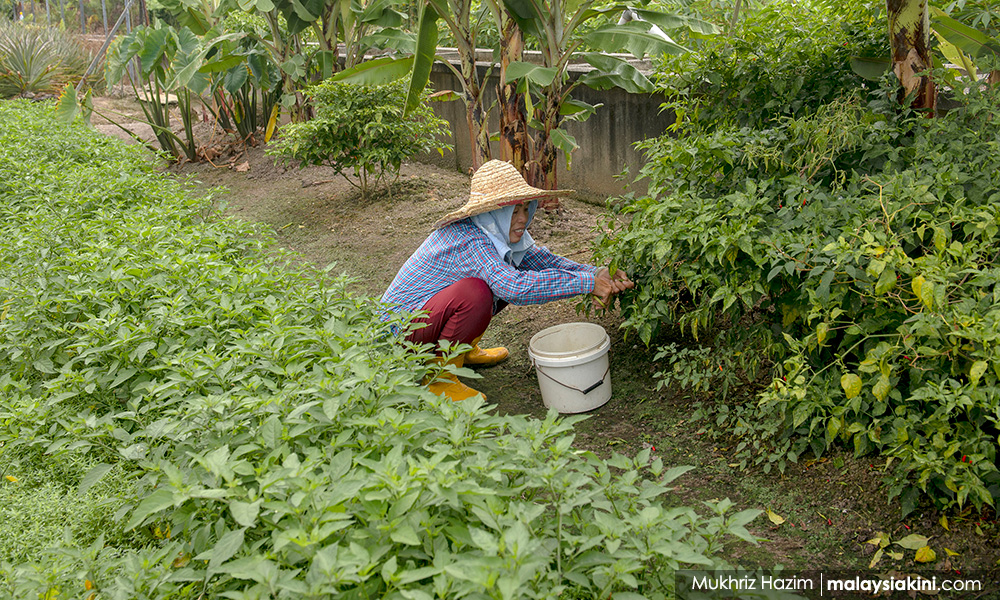
Malaysia already has examples of better thinking. Initiatives by Federal Territories Islamic Religious Council (MAIWP) show how food security can be linked directly to poverty reduction. Supporting families to grow food, assisting small farmers and ensuring access to basic nutrition help people move out of hardship with dignity, not dependence.
The Kuala Lumpur City Hall’s efforts in urban food security also deserve recognition. Supporting community farming, urban agriculture, and food distribution is a step in the right direction.
However, these programmes require stronger planning, better monitoring and less waste. Food security cannot be seasonal or symbolic. It must be organised, consistent and inclusive to truly benefit city residents.
One issue that deserves special attention is chicken. Malaysia has the highest chicken consumption per person in Southeast Asia. Chicken is not a luxury item. It is the main source of protein for millions of households. When chicken prices rise, or supply is disrupted, the impact on low-income families is immediate and severe.
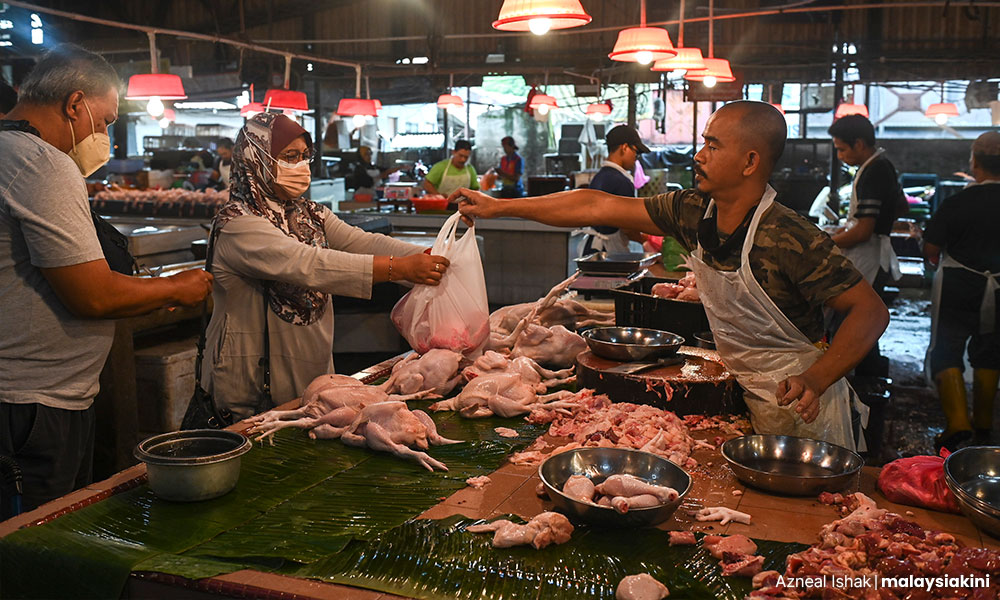
What is often overlooked is that chicken shortages rarely stem from a single cause. Supply pressure usually begins at the farm level, where local production struggles to meet demand due to rising feed costs, higher operating expenses and tight margins.
Policy constraints
These challenges are often compounded by policy constraints such as import controls or changes in subsidy structures. When domestic output falls short and imports are uncertain, prices respond quickly, and availability becomes uneven.
The strain is felt throughout the entire chain. Farmers cite unsustainable costs. Wholesalers point to a limited supply. Retailers struggle to keep prices within official ceilings.
Consumers, especially low-income households, bear the final burden. Everyone has a reason to complain, but the core issue remains the same. When supply tightens, prices break through controls and stability disappears.
Without coordinated intervention to balance production, imports and domestic demand, chicken quickly shifts from being a basic protein to a daily worry for the rakyat.
If chicken becomes unaffordable, what replaces it? This is not a small question. It goes to the heart of nutrition and social stability. Supporting small poultry farmers, improving local feed production and reducing dependence on imported inputs are practical steps to stabilise supply and protect vulnerable households.
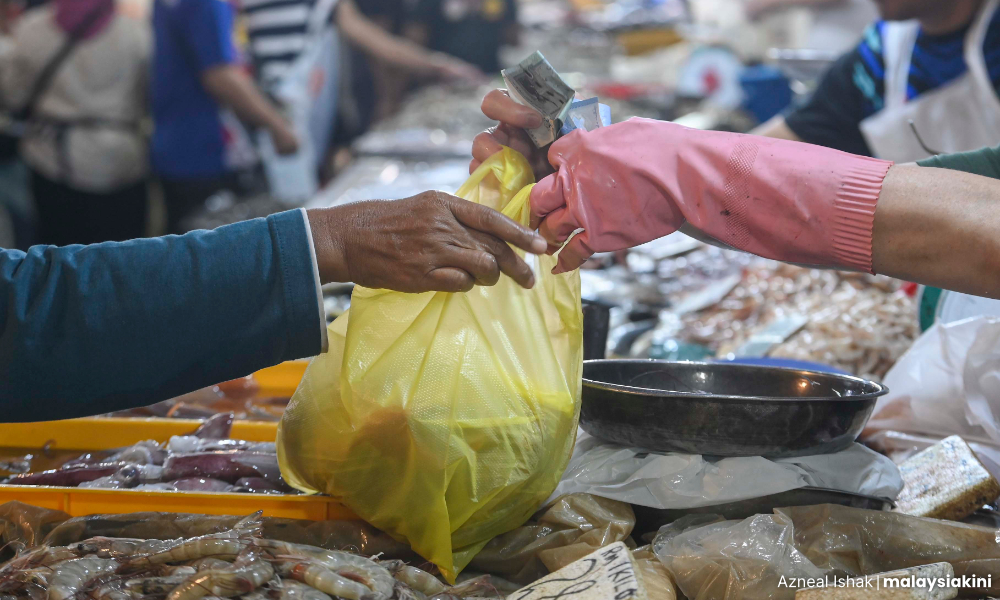
Food security is not just about feeding the nation. It is about feeding the rakyat properly. A system that produces large quantities but leaves people malnourished has failed its purpose.
The way forward is clear. Build food systems that are local, resilient and fair. Support farmers, not just factories. Measure success by nutrition and access, not output alone.
When food policy is designed around people rather than markets, hunger can be reduced without charity, and dignity can be restored without slogans.
Healthy food for all is not impossible. It is a matter of choice, design and political will. - Mkini
MAHATHIR MOHD RAIS is a former Federal Territories Bersatu and Perikatan Nasional secretary. He is now a PKR member.
The views expressed here are those of the author/contributor and do not necessarily represent the views of MMKtT.

No comments:
Post a Comment
Note: Only a member of this blog may post a comment.