


What started in Jakarta quickly echoed across Asia. In Indonesia, students took to the streets in massive numbers. Their anger was directed at political excess, corruption, and the rising cost of living.
There was no clear leader, no political party steering the movement. The fuel came from TikTok and Instagram. The flame was lit by frustration, and the fire spread city by city.
Then it reached Nepal. Youths in their tens of thousands flooded the streets after the government imposed a ban on dozens of social media platforms. They were met with tear gas and police force. Lives were lost.
Government buildings including the Parliament, were set on fire. Politicians’ homes were attacked. Prime Minister KP Sharma Oli resigned amid the unrest. Security forces struggled to contain the protests. The social media ban was overturned.
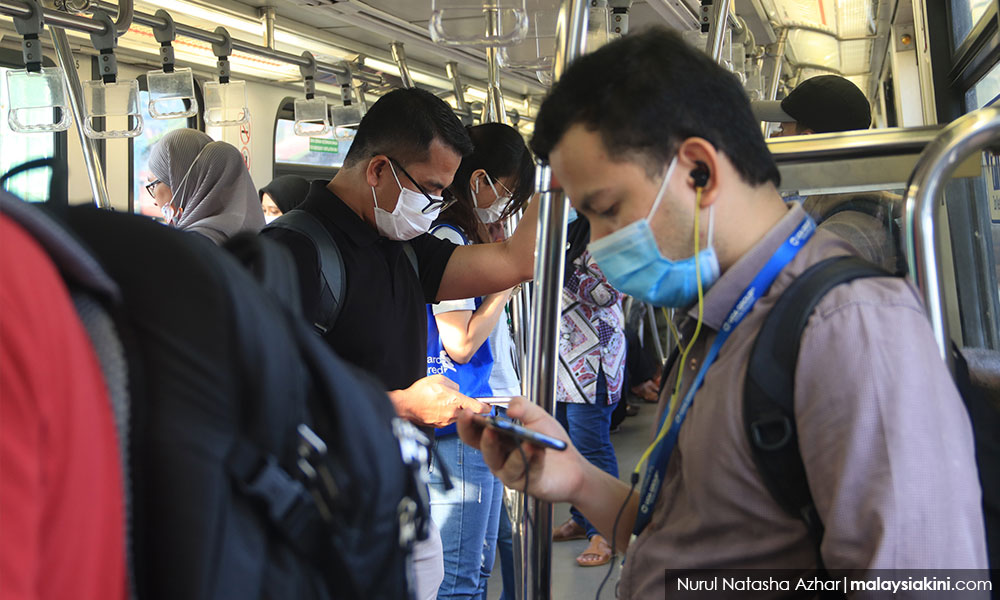
Across Asia, a pattern is emerging. The youth are done waiting. They are not forming party wings or sitting quietly in campus town halls. They are organising on their phones, connecting through comment threads, and making noise where it counts.
They are tired of old politics and empty speeches. And when they rise, they rise fast.
Malaysia should be paying attention.
We already saw signs during the 15th general election. Malay youth swung sharply toward Perikatan Nasional, shocking both BN and Pakatan Harapan. Even PN leaders were surprised.
Finding their own voices
The reason was not a clever strategy or top-down campaigning. It was content. Raw, relatable, and rampant across TikTok and YouTube. The algorithm became the new ceramah. Hashtags replaced handshakes.
And young voters, many voting for the first time, chose emotion over legacy.
Why Malay? Why young? Because they are dominant in numbers, and they are vulnerable. Many are angry, broke, and uncertain about their future. They are the easiest to influence, and they know it.
When no one speaks to their struggle, they find their own voices. Often, that voice comes from creators who look and sound like them, not politicians in suits.
So having Chinese and Indian support alone is not enough. Harapan needs to get serious about winning over the Malays, especially the young ones. This is the demographic that will decide future elections, not the traditional vote banks.
If Harapan keeps ignoring the shifting sentiments on the ground and continues relying on old formulas, they will lose the very voters who hold the key to long-term power.
The Malays are not unreachable. They are just unheard. Find them. Speak to them. Earn their trust, not through empty slogans, but through real action that addresses their daily struggles.
We are just a year or two away from GE16, yet there’s been almost no serious effort to study or understand the political psychology of our youngest voters.
Gen Z will not be won over with poster campaigns, ceramah, or 90s-style manifesto booklets. They are not sitting around waiting to be told.
It’s all about algorithms
The uncomfortable truth? Gen Z is not shaped by teachers or textbooks. They are shaped by TikTok, Facebook, X, Threads, YouTube and group chats we don’t even know exist. They are guided not by policy debates or party manifestos, but by 30-second reels, digital influencers and the emotional logic of virality.
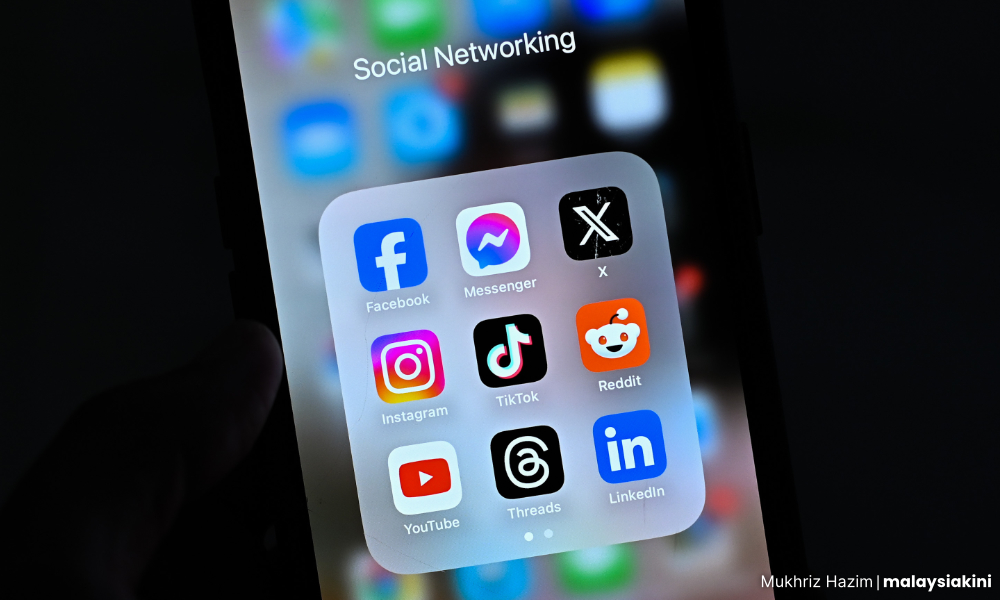
Political figures have social media accounts, but let’s not kid ourselves. Most Gen Z scroll past them. The content doesn’t hit. It doesn’t speak their language. It doesn’t show up in their “For You” page. At best, they skim. At worst, they swipe left forever.
You cannot win over Gen Z with nostalgia. You cannot lecture them into obedience. This is a generation born into chaos, raised on the internet, and wired to distrust authority.
They have watched politicians switch sides like changing jerseys. They have seen justice bend for the rich and break the backs of the poor. They do not believe what you say; they believe what the algorithm shows them.
Today’s youth are not moulded by political ideology, formal education or traditional influence alone. Their worldview comes through livestreams, online conversations, creators they trust, and digital communities.
They do not wait to be addressed. They expect to be included. They do not digest long speeches. They challenge them. They do not go to meetings. Meetings come to them in their feeds, in their comments, in their watches.
What matters
The dangerous myth we keep telling ourselves is that the youth vote will come “automatically”. That a last-minute campaign blitz or a few young party candidates will solve the gap. That’s fantasy.
This generation doesn’t respond to conventional machinery. It moves on authenticity, speed and networked mobilisation.
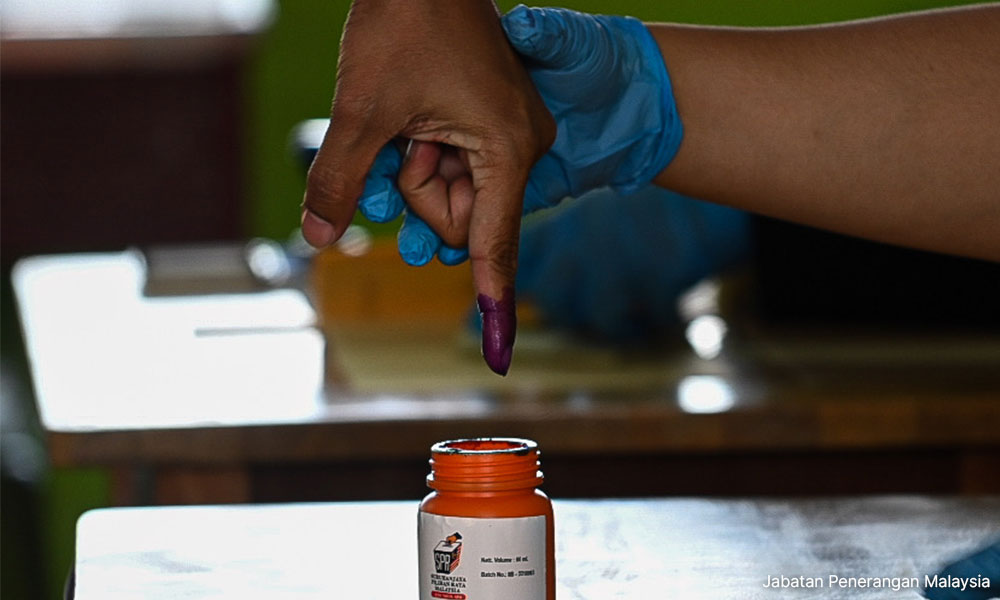
With less than two years to go before the next general election, the window is closing.
Harapan, and any party that wants to stay relevant, must map the psychological and social terrain of this new generation. What moves them, what angers them, and what earns their respect. Not just who they follow, but what they believe in.
Gen Z cares about cost of living, inequality, institutional failure and transparency. They care about mental health, climate, corruption. Their loyalty is not to party colours. It is to integrity. Do you speak truth? Do you act fairly? Do you follow through? That matters.
Because if you do not speak to them, someone else will. And they will not ask for your permission. - Mkini
MAHATHIR MOHD RAIS is a former Federal Territories Bersatu and Perikatan Nasional secretary.
The views expressed here are those of the author/contributor and do not necessarily represent the views of MMKtT.

No comments:
Post a Comment
Note: Only a member of this blog may post a comment.