


Who would have thought that the most unsportsmanlike and contentious “match” which paralympian Cheah Liek Hou had to endure was not on the badminton court, but in the corridors of the Paralympic Council Malaysia (PCM)?
Cheah didn't even have to lift his racket, but he still managed to cause a major upset - the PCM president, Megat D Shahriman Zaharudin, didn't take too kindly to the paralympian's remarks about not receiving the financial incentive that had been promised.
At the Paris 2024 Paralympic Games, Cheah was promised RM60,000 for winning a gold medal, but to date, this remains unfulfilled.
Cheah vented his frustrations and disappointment on social media, and the effect on the PCM president was immediate.
Malaysians are fully aware that sometimes, this is the only way to elicit a response from organisations which have been known to act with a certain degree of arrogance and inflated importance.
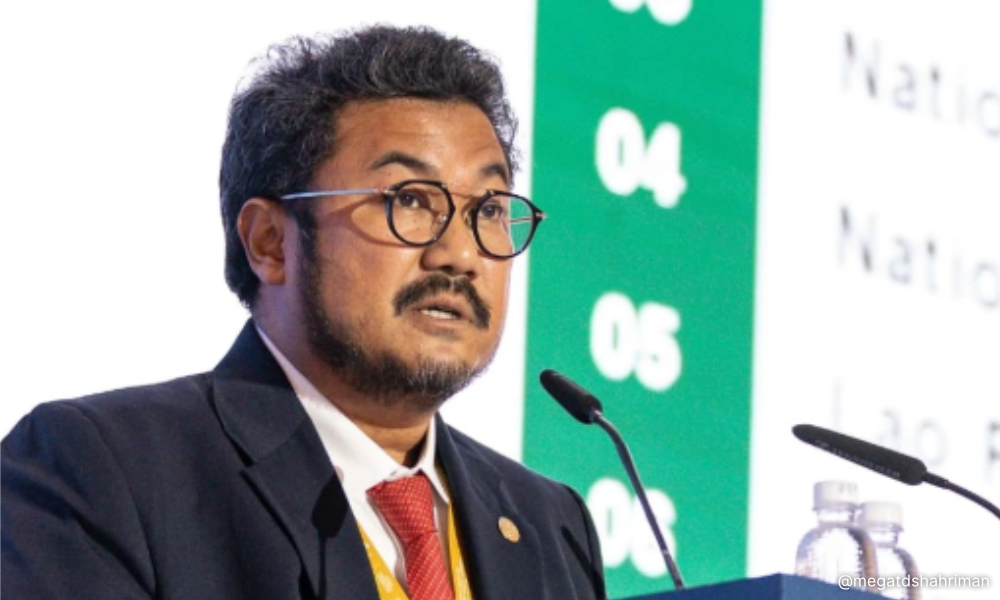
In normal situations, most men in positions of responsibility would have acknowledged their shortcomings and, to smooth things over, would initiate a dialogue to find a remedy.
Instead of attempting to understand Cheah's predicament, Megat took Cheah's complaint as a personal affront, possibly because the PCM is under his stewardship.
Instead of trying to resolve the situation, Megat denied that any financial incentive had ever been made. He then escalated the already tense situation by claiming that Cheah had damaged the council's credibility and hampered future sponsorship deals.
Most Malaysians would agree that the PCM did not need anyone's help to damage its reputation, because the subsequent threats it made against Cheah were proof enough that the PCM was doing a good job in destroying its own credibility.
If that wasn't enough, Megat then threatened to sue Cheah and warned him that should the disciplinary committee find him guilty, a lifetime ban from competitions authorised by the PCM would follow.
No mean feat
Megat's high-handed manner is abhorrent. The paralympian has brought honour to Malaysia. He has become the world champion six times. This is no mean feat.
As a child, Cheah recalled how others would make fun of his physical disability. Since he was 12, many people would mock him and question his decision to play against able-bodied athletes when he could not even win against para athletes.
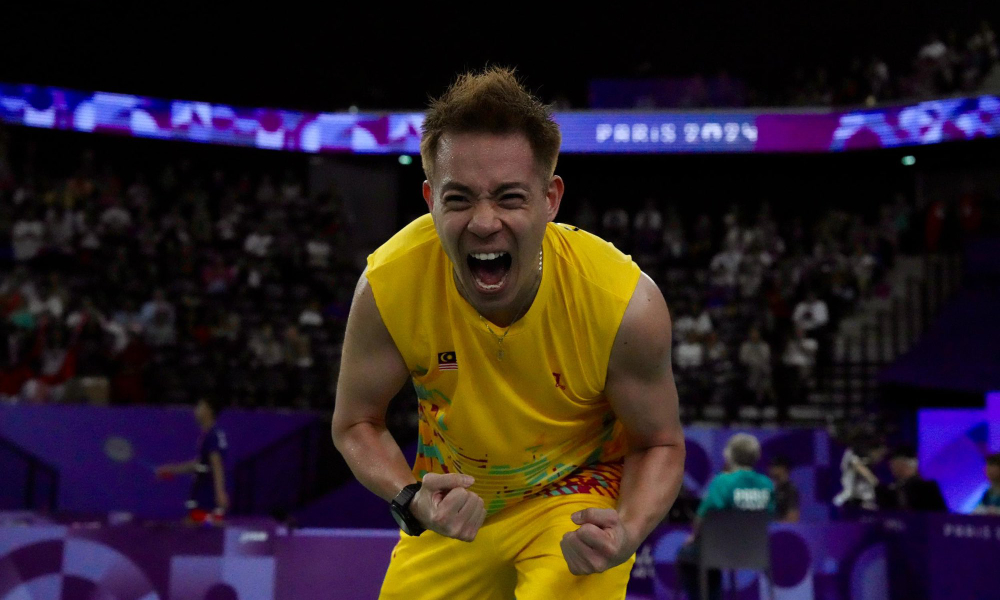
Ironically, Megat's treatment of Cheah is an extension of the childish taunts he once received.
Born with the condition known as Erb's palsy, which meant that his right hand was weaker and less stable than his left, Cheah didn't allow his disability, nor the taunts, to stop him from achieving his ambition.
His journey to win gold is not without sacrifice, but he remained focused, resilient and determined. He trained hard even though the intense physical workout would cause him pain. Like most other athletes, he endured several setbacks but always managed to bounce back into form.
If Megat were to put himself in Cheah's shoes, he would realise that para-athletes have their unique set of challenges. They have limited access to world-class training facilities which are specially adapted to their needs. They have less media coverage.
Specialised training equipment and prosthetics are expensive. They face an extraordinary amount of social stigma and the mental health pressures are tremendous.
Winning a medal on the world stage would have given Cheah recognition and the financial security to support his training and livelihood. Delaying the award has disrupted his focus on training and tournaments.
Many other people in Cheah's position would have been disillusioned, possibly even quit, but he refused to give up what he is passionate about.
Aiming for gold
Megat's threats to suspend Cheah and take him to court have backfired. He inadvertently ignited the fire in the rakyat, who then threw their support behind Cheah.
Despite the intervention of Youth and Sports Minister Hannah Yeoh, who declared the matter resolved, Megat acted like a petulant child by demanding an apology and written explanations from both Cheah and the Badminton Association of Malaysia (BAM).
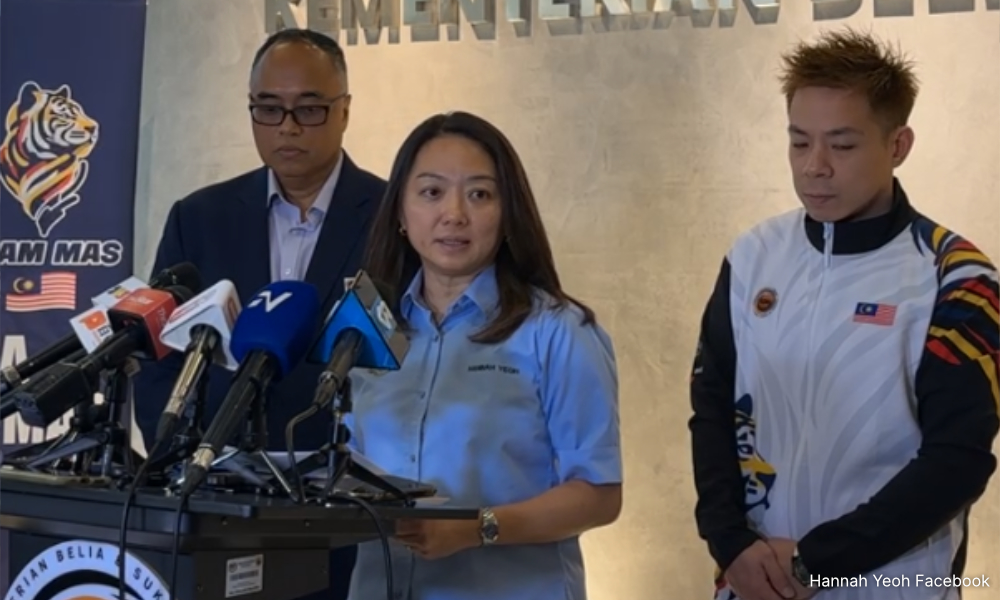
He claimed that the PCM needed to "gather information so that it becomes a lesson". Surely, the only lesson in this sorry saga is that the PCM keeps its promise to distribute the financial incentives, without forcing athletes to beg for them.
Megat chose the wrong adversary. Cheah inspired millions of Malaysians with the message that disabilities can be overcome, and some fights are worth fighting for. He aimed for gold. He won!
Every child who doubts himself needs only to follow Cheah's story. With hard work and determination, he now proudly represents Malaysia. If Cheah can do it, then so can they.
Cheah showed his fellow athletes that triumph is not just measured in medals or cash incentives, but that the fight for justice and winning back what is rightfully theirs, with dignity and respect, is a worthy cause.
The irony of Megat's folly showed the rakyat that Cheah is the true champion, who turned a broken promise into motivation, and that his self-respect and self-worth were never tied to money or official recognition.
Cheah's message is simple but powerful. They can remove the reward, but they will never be able to rob him of victory. He has emerged with something far greater - the power to inspire a nation, and that victory is not given; it is earned.
The score? Cheah 1, Little Napoleon 0. - Mkini
MARIAM MOKHTAR is a defender of the truth, the admiral-general of the Green Bean Army, and the president of the Perak Liberation Organisation (PLO). Blog, X.
The views expressed here are those of the author/contributor and do not necessarily represent the views of MMKtT.

No comments:
Post a Comment
Note: Only a member of this blog may post a comment.