


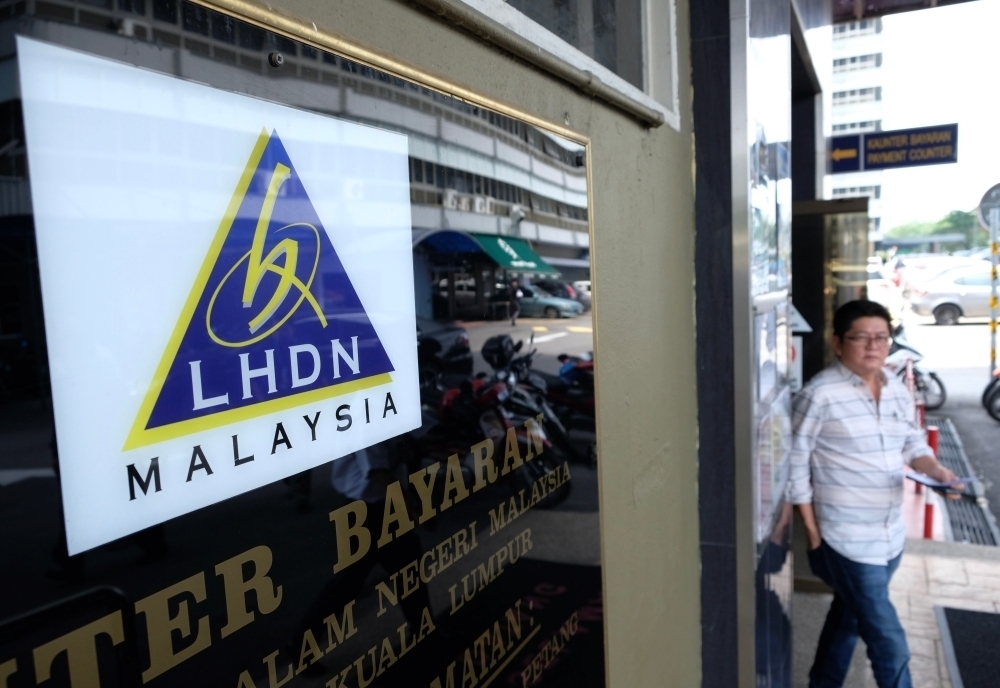
KUALA LUMPUR, Jan 1 — Starting today small and medium enterprises with an annual turnover or revenue of up to RM5 million will be required to implement e-invoicing.
This initiative marks the latest phase in Malaysia’s broader e-invoicing implementation strategy, which originally began on August 1, 2024, targeting taxpayers with revenues exceeding RM100 million.
However, taxpayers with an annual turnover or revenue of less than RM1 million are still exempted from e-invoice implementation.
What is e-invoicing?
E-invoicing refers to the digital representation of a transaction between a seller and a buyer, transforming traditional paper or electronic documents like invoices, credit notes, and debit notes into a standardised digital format specified by the Inland Revenue Board Malaysia (IRBM).
Simply put, an e-invoice encompasses all necessary information found in the traditional version including details of the supplier and buyer, items sold, quantity, price and applicable taxes but in a digital form.
The implementation of e-invoicing was aimed at enhancing efficiency in transaction processing, reducing errors, and facilitating seamless business operations while reinforcing tax compliance.
The implementation was done in multiple phases based on turnover and revenue thresholds to ensure smooth transition while also giving time to smaller players to prepare and adapt to the e-invoice system.
How is e-invoicing implemented?
Businesses must register for e-invoicing through the MyInvois Portal by IRBM to get onboard.
The registration process involves submitting necessary documents and details about the business structure and revenue.
Once registered, companies can generate e-invoices through an approved format that meets IRBMs requirements.
These digital invoices must be sent electronically via MyInvois Portal for validation, after which the validated e-invoice with a QR code will be sent to clients and stored securely to comply with tax regulations.
How to register your business for e-invoicing?
- Visit the MyInvois Portal by IRBM.
- Log in using your MyTax credentials or create an account if you are a new user.
- Click on the e-invoicing registration section.
- Provide your business details, including Tax Identification Number, company registration number, and industry type.
- Submit the required supporting documents, such as business registration certificates and tax information.
- Complete the registration and wait for approval from LHDN Malaysia.
Benefits of e-invoicing
The transition to e-invoicing aimed at offering numerous advantages for businesses to streamline the invoicing process, significantly reducing the time and costs associated with the conventional invoice.
Additionally, it aims to minimises instances of fraud and errors, as transactions are recorded digitally and auditable in real-time.
Ultimately, the implementation of e-invoicing was to foster a more transparent and accountable business environment, benefiting both the government and compliant businesses.
In November 2025, the government announced that Malaysia’s national e-invoicing initiative has reached a key milestone, with over 106,000 businesses adopting the system and recording more than RM675 million in transactions. - malaymail

No comments:
Post a Comment
Note: Only a member of this blog may post a comment.