


Jasween Kaur Dhaliwal says claimants will not only have to establish a link between serving alcohol and the harm caused but will also have to prove negligence on the part of the business owner.
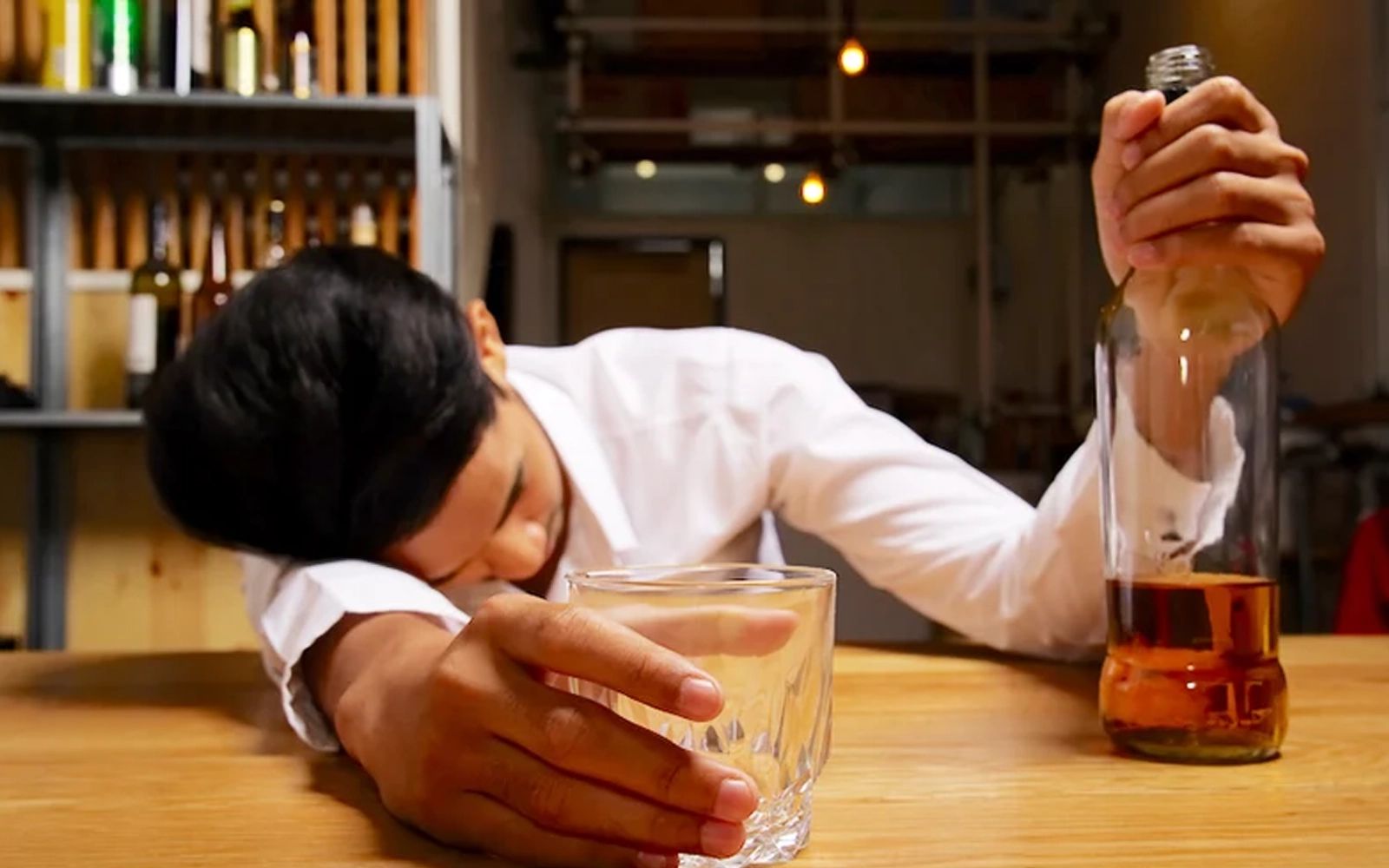
Jasween Kaur Dhaliwal said “significant hurdles” make it difficult to penalise someone for serving or selling alcoholic drinks to a person who later causes an accident while driving in an intoxicated state.
“Firstly, the claimant will have to prove negligence (on the part of the business owner). This includes establishing a link between serving him alcohol and the harm caused subsequently,” she told FMT.
In the first place, it is difficult to determine if a person who has had a drink is indeed inebriated, she said.

“People exhibit different levels of tolerance to alcohol and may mask outward signs of intoxication,” she pointed out.
Jasween said that even in countries where such laws exist, enforcement is often inconsistent and involves complex legal processes.
Such laws, she added, also do not address the root cause of drink driving.
Jasween was commenting on a suggestion by Shafiq Iqram Abdullah, head of PKR Youth’s NGO and Volunteers Bureau, for local governments to introduce “dram shop liability” as a new requirement in business licences for premises selling alcohol.
Under the “dram shop liability” rule, operators are held legally accountable if they “over-serve” customers.
Variations of the legislation are already in place in countries such as the US and Canada, as well as the Australian states of New South Wales and Victoria.
The rule allows victims to pursue civil claims against establishments that over-serve alcohol to individual patrons. The objective is to encourage responsible alcohol service and to reduce alcohol-related harm.
While the specifics of dram shop liability vary across jurisdictions, with different countries and states adopting their own standards and enforcement approaches, they share the common goal of holding businesses accountable for their role in contributing to the harm caused by drink driving.
Shafiq’s proposal came in the wake of the March 29 crash on Jalan Raya Barat in Klang that claimed the life of 33-year-old Amirul Hafiz Omar.
Amirul was on a motorcycle when a car, driven by Saktygaanapathy Ravichandran, 28, collided with him. Saktygaanapathy, who was allegedly driving under the influence of alcohol and other substances, is now facing a murder charge in court.
Earlier, in response to Shafiq’s call, two business groups have labelled such a response as “unfair”.
Jasween said several steps can be taken to reduce incidence of DUI. They include public education campaigns, promoting the designated driver culture and improved access to late-night transportation options outside bars.
For instance, ride-hailing services and taxis are just a phone call away.
A bar owner operating in Damansara described the proposal as difficult to implement without clear legal guidelines.
The owner, who declined to be named, said while employees could identify intoxicated customers through signs such as vomiting, falling asleep, or becoming unruly, refusing service could lead to confrontation, posing safety risks.
“People don’t like it when they’re told what they should or should not do, especially when they are intoxicated,” he said.
He added that bar operators are open to partnering with ride-hailing services but stressed that clearer policies must be in place before businesses can be held liable. - FMT

No comments:
Post a Comment
Note: Only a member of this blog may post a comment.