


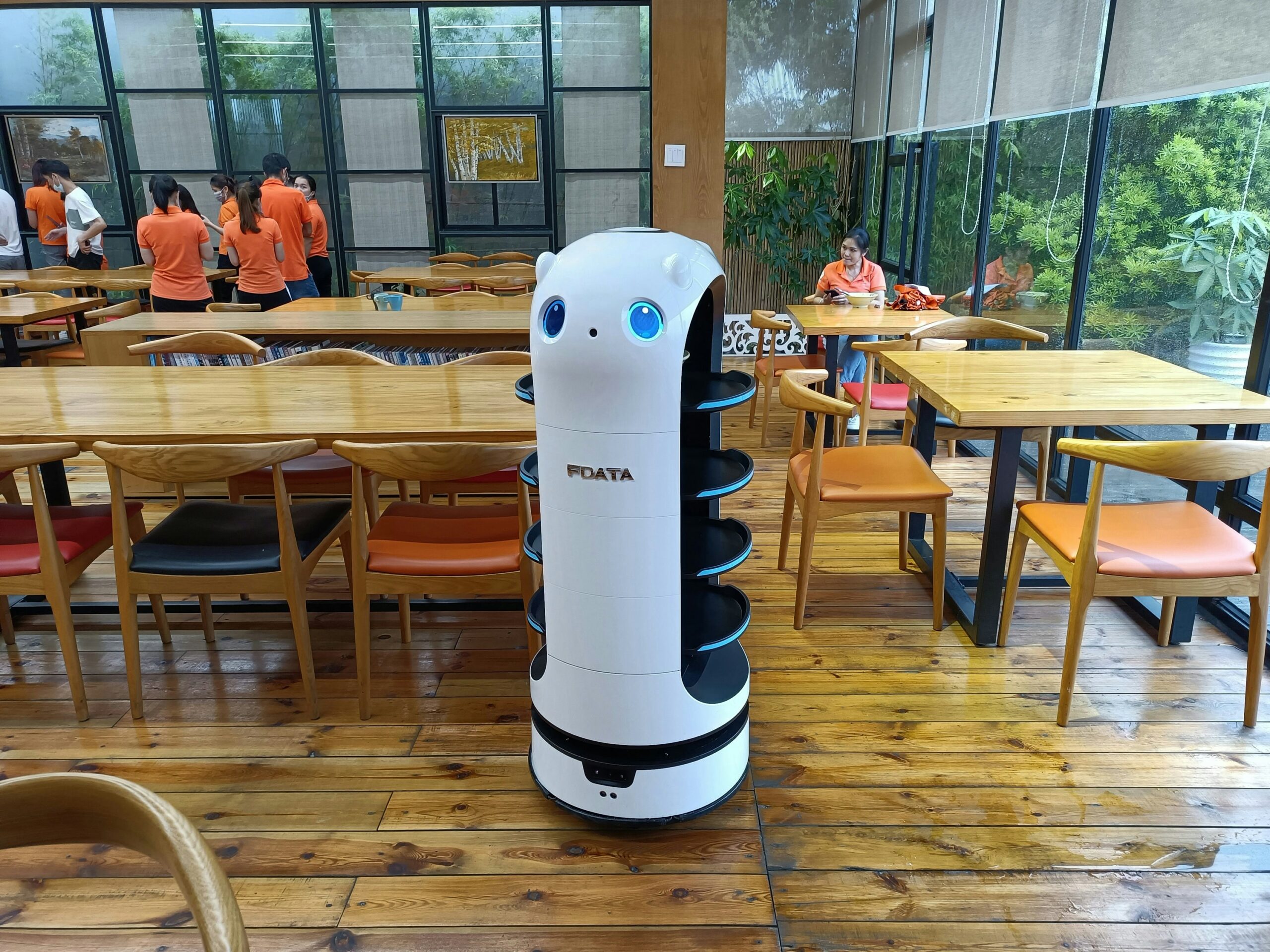
WALK into many restaurants in Malaysia today and you may find a robot delivering your food. Businesses such as Q-Bistro, Johnny’s, Mamak Xpress and OldTown White Coffee have introduced robot waiters, partly to address labour shortages and manage operating costs.
But do these machines replace people, or simply change the kind of work businesses need? Our view is that they do the latter. For business leaders, the question is no longer whether robots will enter the workforce, but how, where and at what cost.
The trend is global. At the World Robot Conference in Beijing in August 2026, companies showcased humanoid robots designed for customer service, household assistance and other applications.
Some featured conversational abilities and human-like expressions, raising questions about how people will respond to machines that increasingly resemble us.
The rise of the robot workforce
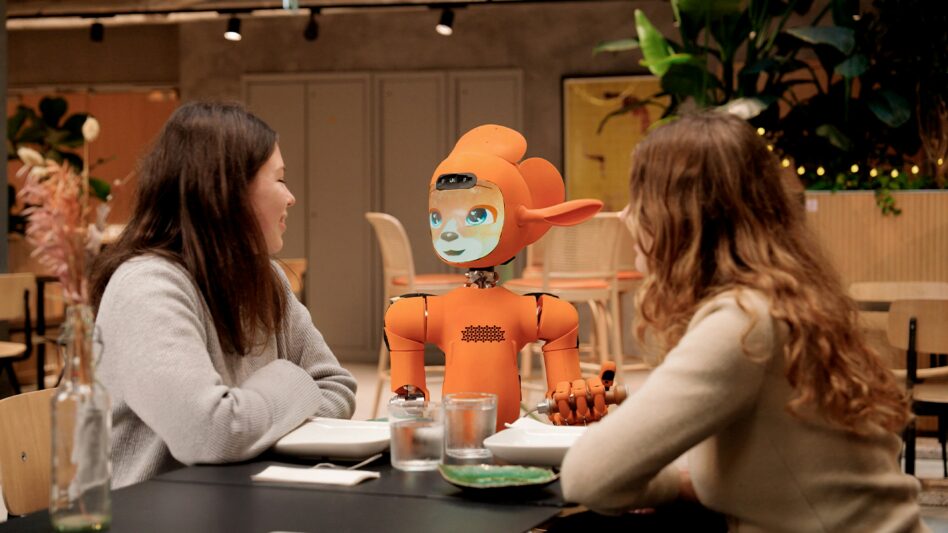
Service robots can deliver food, guide customers and perform other routine tasks. Rental schemes have also made adoption more accessible to businesses that may not want to make a large upfront investment.
Media reports in 2022 put the purchase price of some units at around RM35,000, while monthly rentals ranged from RM1,500 to RM2,000. These are historical figures, however, and current prices should be checked with suppliers.
Yet robots remain limited by the tasks they are designed to perform. In hotels and restaurants, they typically handle deliveries and other repetitive duties.
Human workers remain essential for personalised service, resolving complaints and managing unexpected situations.
What robots do well, and where they fall short
Robots can offer consistency, efficiency and reliable performance when carrying out repetitive tasks. They can also reduce the physical demands placed on workers, particularly in busy restaurants, hotels and hospitals.
However, the novelty of robotic service does not necessarily translate into customer loyalty.
Our 2025 study, published in Electronic Markets, examined responses from 308 restaurant customers who had experienced non-humanoid service robots.
It found that factors such as novelty, enjoyment, friendliness and trust contribute to customer satisfaction and intentions to revisit.
However, these experiences are shaped by the quality of the interaction, including the sense of rapport customers develop with the robot.
A robot may deliver food efficiently and greet customers politely, but it cannot replicate the warmth and empathy of an attentive human server.
If it tries too hard to imitate human behaviour, its friendliness may even feel artificial. Customers ultimately expect robots to perform their tasks reliably.
Robots also face practical limitations. They may struggle with unexpected situations such as spilled drinks, complaints or changes to orders.
Fixed navigation routes can cause congestion during peak hours, while limited conversational abilities make it difficult to respond sensitively to customers’ needs.
Matching robots to the right tasks

For businesses, the challenge is to identify where automation supports their service model.
Quick-service restaurants can use food-delivery robots to reduce repetitive work and staff fatigue. Hotels can deploy them for luggage delivery and routine cleaning, while hospitals can use them to transport supplies or guide visitors
However, tasks requiring empathy, negotiation, discretion and personal judgement should remain firmly in human hands. The objective is not to automate everything, but to assign the right tasks to the right capabilities.
Businesses adopting robots should treat them as support tools rather than automatic replacements for employees. They should:
- Identify suitable tasks: Prioritise repetitive, physically demanding duties where automation can improve efficiency.
- Consider the business model: High-volume restaurants may benefit more than establishments built around personalised service.
- Look beyond novelty: Measure whether robots improve service quality and encourage repeat visits, rather than relying on customers’ initial excitement.
- Retrain employees: Equip staff to supervise robots, troubleshoot problems and focus on higher-value customer interactions.
- Monitor feedback: Assess whether customers and employees find the technology useful and whether it delivers genuine operational benefits.
A changing workforce, not a disappearing one
Some repetitive tasks and the jobs built around them may shrink as automation expands. However, businesses facing recruitment difficulties can also use robots to fill gaps and ease pressure on existing employees.
This does not mean workers should be displaced without consideration. Staff can be trained to oversee robotic systems, handle customer concerns and take on responsibilities requiring flexibility and emotional intelligence.
Robots are here to stay, but that does not mean human workers are becoming irrelevant. A well-designed robot can make service more efficient; a capable human worker can make the experience memorable.
For managers, the real challenge is to build workplaces where technology complements human capabilities rather than simply replacing them.
Prof Dr Dilip S. Mutum is a Professor of Marketing at the School of Business, Monash University Malaysia and Assoc Prof Dr Ezlika Mohd Ghazali is an Associate Professor of Marketing at the Faculty of Business and Economics, Universiti Malaya.
The views expressed are solely of the author and do not necessarily reflect those of MMKtT
- Focus Malaysia.

No comments:
Post a Comment
Note: Only a member of this blog may post a comment.