`


THERE IS NO GOD EXCEPT ALLAH
read:
MALAYSIA Tanah Tumpah Darahku

LOVE MALAYSIA!!!


31 AUGUST 2026

Monday, August 31, 2026

We can’t afford to lose our specialists


MALAYSIA’S shortage of medical specialists has reached a breaking point. Keeping every qualified specialist in the public health system is no longer just an administrative issue. It is a national healthcare emergency.

The numbers make that clear. The Health Ministry had about 9,040 specialists across 29 core specialties at the end of 2025. By 2030, Malaysia will need 22,435. That leaves a shortfall of 13,395 specialists.

At the current training rate of 1,000 to 1,400 specialists a year, we are nowhere near closing the gap.

Against that backdrop, we cannot afford policies that discourage specialists from pursuing further training or remaining in government service.

When following the rules becomes a penalty

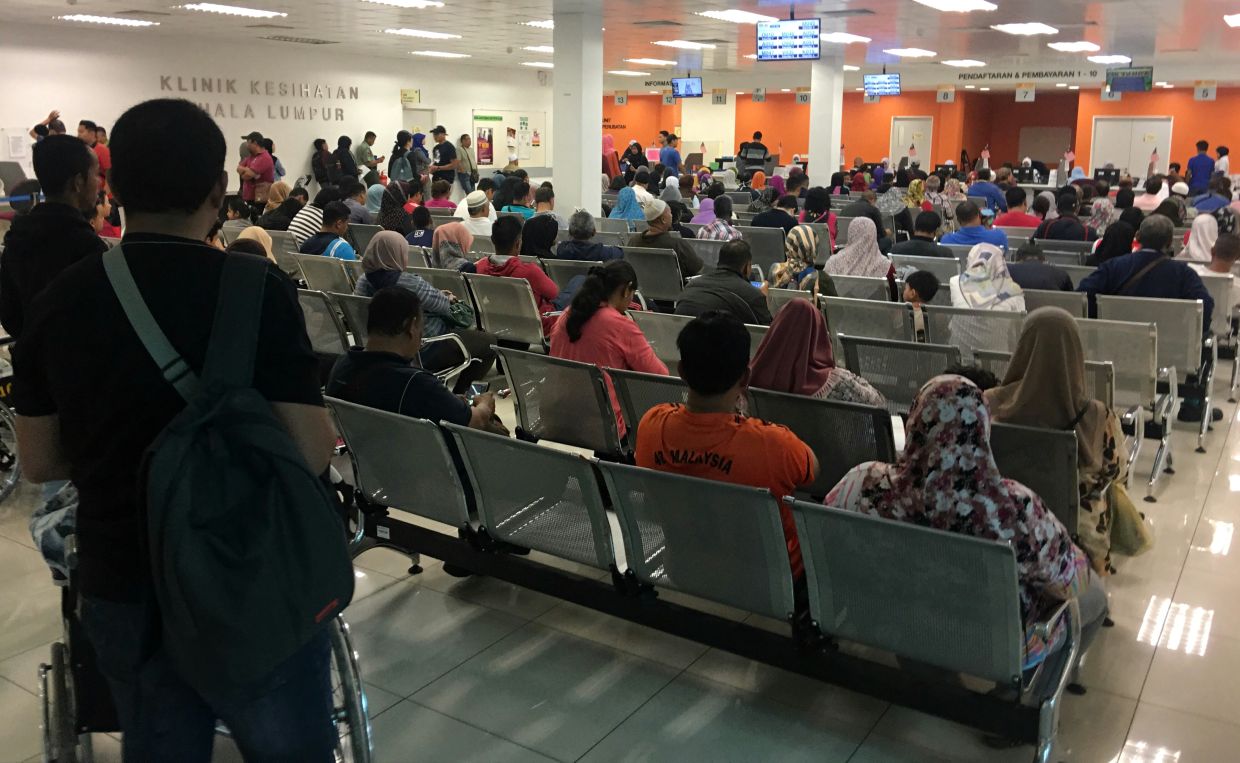
(Image: International Citizens Insurance)

Recent reports by CodeBlue highlight a troubling case involving doctors applying for subspecialty training. Some were deemed ineligible because they lacked three consecutive years of performance assessments.

The problem is that during their government-approved Master’s training, they had been told those assessments were not required.

Now, after following official instructions, they face barriers to advancing their careers.

That raises a basic question: should public servants be penalised for complying with the government’s own rules?

The answer should be no.

This is not an argument for lowering professional standards. Subspecialty selection should remain competitive, with decisions based on clinical competence, professional conduct, academic performance and service needs.

But there is a difference between maintaining standards and allowing bureaucratic technicalities to override fairness.

If conventional performance assessments were not required, equivalent evidence such as postgraduate assessments, supervisor reports, examination results, competency evaluations and subsequent performance records should be accepted.

We should never be telling doctors: “You followed our instructions, but now that makes you ineligible.”

Retention is becoming the real challenge

For years, Malaysia has focused on producing more doctors. Today, retaining experienced specialists is becoming the bigger challenge.

Training a specialist requires years of public investment. Beyond qualifications, these doctors accumulate clinical experience, develop advanced skills and eventually train younger colleagues.

When one leaves government service, we lose more than an employee. We lose years of expertise that cannot be replaced overnight.

The consequences are immediate: longer waiting times for patients, heavier workloads for remaining specialists and fewer mentors for junior doctors.

Every policy affecting doctors should therefore be tested against a simple question: will it help Malaysia attract, develop and retain competent medical professionals? If not, it deserves review.

MOH and JPA must work together

This dispute also exposes a wider governance problem. The Health Ministry and the Public Service Department (JPA) cannot continue operating in separate silos when their policies shape the same medical careers.

Doctors should not be left shuttling paperwork between departments while conflicting rules determine their future.

Malaysia needs a single national specialist workforce policy jointly owned by MOH and JPA. It should provide a clear career pathway from medical officer to specialist, subspecialist, senior specialist and leadership positions, so doctors understand expectations before making major career decisions.

Retention also requires competitive working conditions.

Specialists carry enormous responsibility, and their salaries, on-call allowances, workloads, working environments and opportunities for professional development should reflect that reality.

Retention incentives for specialists who commit to serving the public sector, particularly in high-demand disciplines and underserved areas, should be viewed not as additional spending but as an investment in healthcare capacity.

The government has already allocated RM178 million for the MOH Specialist Training Programme in 2026. But producing more specialists without creating reasons for them to stay solves only half the problem.

Measure success by retention

Malaysia should establish a permanent council comprising representatives from MOH, JPA, universities, specialist colleges, professional bodies and practising specialists.

The council should publish annual data on specialist numbers by discipline and state, vacancies, waiting times, retirement and resignation rates, movement to the private sector or overseas, training capacity, workload and shortages in underserved areas.

Most importantly, it should measure retention, not just production.

There is little value in celebrating hundreds of newly trained specialists if an equally large number leave the public system.

Ultimately, rules exist to serve public objectives, not become obstacles to them.

The government should audit all MOH and JPA rules governing specialist training and career progression, and amend those that create unintended barriers for doctors who followed government-approved pathways.

Malaysia’s healthcare future depends not only on producing more specialists but on keeping experienced ones where they are needed most.

The question is no longer whether we can afford to retain our specialists.

It is whether we can afford not to.

KT Maran is a Focus Malaysia viewer.

The views expressed are solely of the author and do not necessarily reflect those of  MMKtT.

- Focus Malaysia.

The true spirit of Merdeka lives in our unity

 Malaysia

AS Malaysians celebrate Hari Merdeka today, we are reminded not only of our nation’s hard-won independence but also of the values that have enabled us to thrive as a diverse society.

Merdeka is more than a commemoration of the past. It is a chance to reflect on who we are today and the kind of nation we hope to build for future generations.

Malaysia’s story has always been shaped by diversity. From the Melaka Sultanate, a thriving centre of trade and cultural exchange, to the modern nation we know today, our progress has depended on people from different backgrounds, cultures and beliefs living and growing together.

Unity, however, cannot be taken for granted. It requires mutual respect, everyday interactions and a genuine willingness to understand one another.

One way to strengthen that sense of belonging is to rediscover our own country. From the historic streets of Melaka and George Town to the cultural heritage of Sabah and Sarawak, every corner of Malaysia tells a unique story.

These experiences remind us that Malaysia is not merely where we live. It is a shared home shaped by generations of people, traditions and aspirations.

Our heritage also deserves to be celebrated. Batik, traditional crafts, music, dance and local cuisine reflect centuries of cultural exchange, while the customs, languages and traditions of Sabah and Sarawak’s indigenous communities remain an essential part of our national identity.

Festivals offer another powerful reminder of unity in diversity. Hari Raya Aidilfitri, Chinese New Year, Deepavali, Christmas, Gawai and Kaamatan continue to bring Malaysians together through the uniquely Malaysian tradition of open houses, where hospitality transcends cultural and religious boundaries.

I have witnessed this spirit firsthand through my work with students at Heriot-Watt University Malaysia. Through the EmPOWER Programme, students partnered with 12 charitable and non-governmental organisations to tackle social, environmental, educational and healthcare challenges. Between January 2025 and July 2026, they raised nearly RM137,270 for charitable causes across the country.

Yet the greatest lesson was not the amount raised. It was seeing how meaningful change begins when people from different backgrounds work together with compassion and a shared purpose.

Language also has the power to bring communities closer. While Bahasa Melayu remains our national language and an important unifying force, learning even a few words in Mandarin, Tamil, Iban, Kadazan-Dusun or other local languages can become a simple but meaningful gesture of respect.

As we celebrate our nation’s independence today, let us remember that Malaysia’s future will not be shaped solely by policies or institutions. It will be shaped by the values we practise, the relationships we build and the choices we make every day.

Merdeka reminds us that our greatest strength lies not in our differences but in our ability to unite despite them.

Selamat Hari Merdeka. 

Dr Lee J. Peter is Assistant Professor at Heriot-Watt University Malaysia.

The views expressed are solely of the author and do not necessarily reflect those of  MMKtT.

- Focus Malaysia.

MCA questions RM350mil hike in public healthcare digitalisation programme


MCA has questioned the government’s decision to increase the PERSADA public healthcare digitalisation programme from RM650 mil to RM1 bil, saying taxpayers deserve a clear explanation for the additional RM350 mil.

MCA Central Committee member Cally Ting said the party supports the digitalisation of Malaysia’s public healthcare system, including electronic medical records (EMR) and improved connectivity, but argued that the nearly 54% increase announced barely two and a half months after the programme’s initial launch raises important questions about spending priorities.

“What exactly does the additional RM350 mil buy? More facilities, better hardware, cybersecurity or data integration?” she asked.

Ting noted that the Health Ministry had told Parliament on July 8 that its existing Clinical Care Management System (CCMS) implementation was already enabling 81% of patients at the facilities concerned to see a medical officer within 60 minutes.

“If RM1 bil is now being justified partly on the basis of reducing waiting times, there should be measurable targets,” she said, calling on the government to disclose current waiting times, expected improvements, the number of facilities involved and the implementation timeline

She argued that discussions on digitalisation cannot be separated from staffing shortages in the public healthcare system.

According to Ting, the Health Ministry had 15,587 nursing vacancies and 2,901 assistant medical officer vacancies as of March 31, 2026. Between 2023 and 2025, she said, 3,511 medical officers and 1,257 medical and dental specialists left the public sector.

“This should not become a choice between high-tech systems and healthcare workers. Malaysia needs both,” she added.

While EMR systems can help reduce delays caused by difficult record retrieval, Ting said faster computer systems cannot solve waiting times if hospitals continue to face shortages of doctors and nurses.

he urged the government to explain why the programme’s allocation increased from RM650 mil to RM1 bil, specify what the additional RM350 mil would fund and outline how much patient waiting times are expected to improve after the investment.

“Patients do not merely need a more digital queue. They need a genuine attempt at shortening existing queues and wait times,” she stressed. ‒  Focus Malaysia

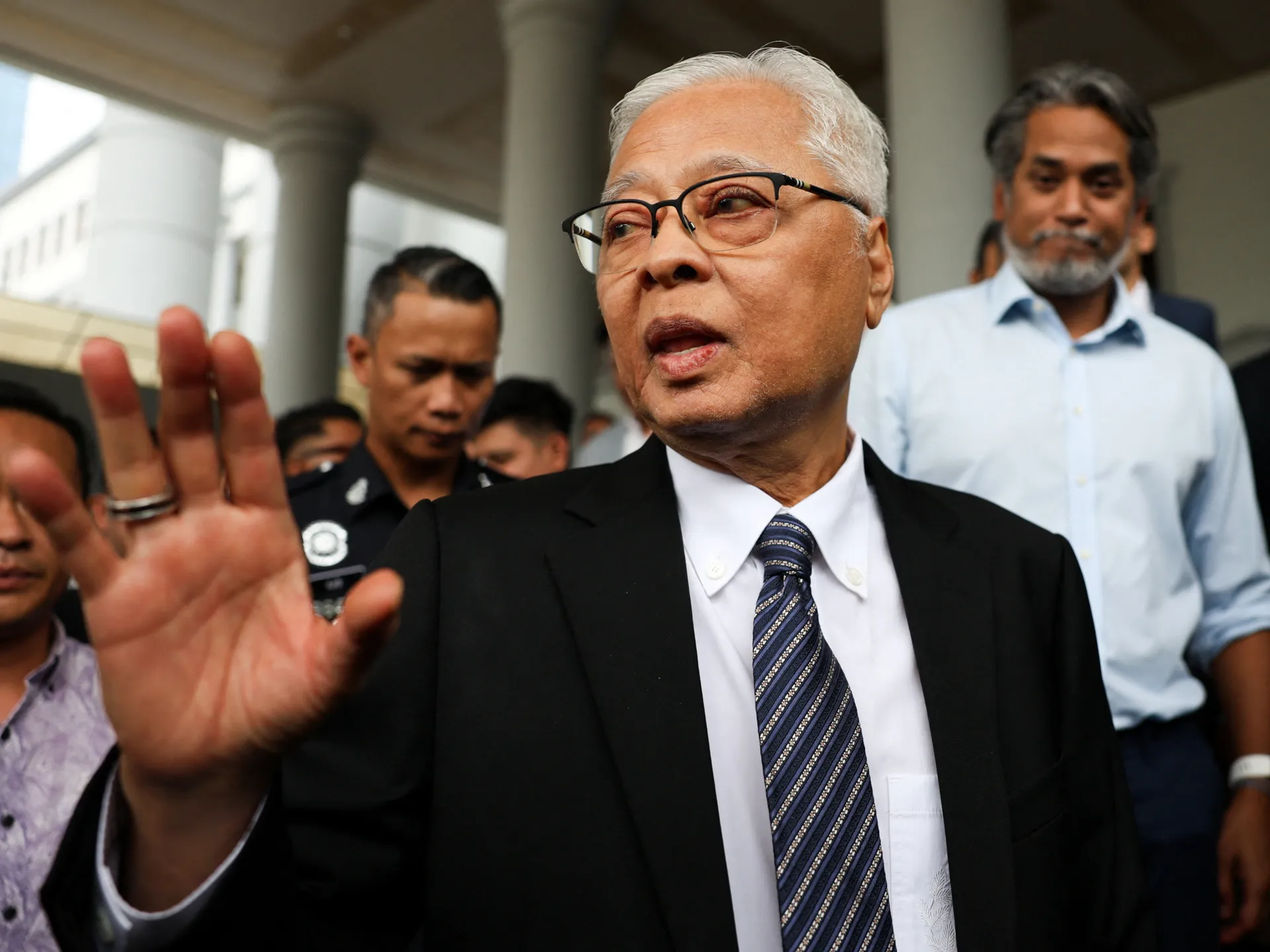
Ismail Sabri gets roasted by netizens for wishing Malaysians a Happy Merdeka Day


USUALLY it is totally fine and in fact, highly encouraged to wish our fellow Malaysians a very Happy Merdeka.

But when you are a former Prime Minister of Malaysia and undergoing charges from a court of law, such a simple wish can be a real fire starter.

And that was exactly what Prime Minister Datuk Seri Ismail Sabri Yaakob experienced after making an innocent post on his twitter account wishing every Malaysian a Happy Merdeka Day.

“Are you healthy now?” said @DatukChapo in the comment section, hinting at the health problems that usually affected Ismail Sabri right when it was time for his trial.

“A question that all Malaysian political leaders must answer: Is Malaysia truly independent when you are all playing around with hundreds of millions of ringgit? How many millions or billions are needed to satisfy your insatiable appetites?” added a fiery @Faddy18416435.

Then there was @icaroose who decided that his opinion was best illustrated in a comprehensive infographic.

Also, netizen @tokaidu2 told him to sit down quietly and not think about Merdeka, claiming that the man has the heart to loot about RM170 mil.

@Bodohtukau in a word play further wished that this independent country can further free itself from corruption and the thieves of the national coffers.

Another netizen thinks these thieves should be placed in the deepest part of hell.

Several others also pointed out that Merdeka was a celebration to honor the freedom fighters of the past, not the corrupted gang of today.

To recap, Ismail Sabri has been charged with failing to declare tens of millions of dollars worth of assets, becoming the country’s third former prime minister to face criminal charges after leaving office.

The 66-year-old pleaded not guilty at the Kuala Lumpur Sessions Court on Thursday to a charge that alleges he failed to provide a complete declaration of assets to Malaysia’s anti-corruption agency.

He is accused of concealing holdings worth about $40 mil, spread across nine currencies, as well as bars of gold and silver. 

He is due to return to court on September 29. If convicted, he faces up to five years in prison. 

Whether Ismail is ultimately cleared or convicted will be for the courts to decide. But on social media, Malaysians have already made their verdict.

For many of them, Merdeka is not simply about celebrating freedom from colonial rule.— Focus Malaysia